History
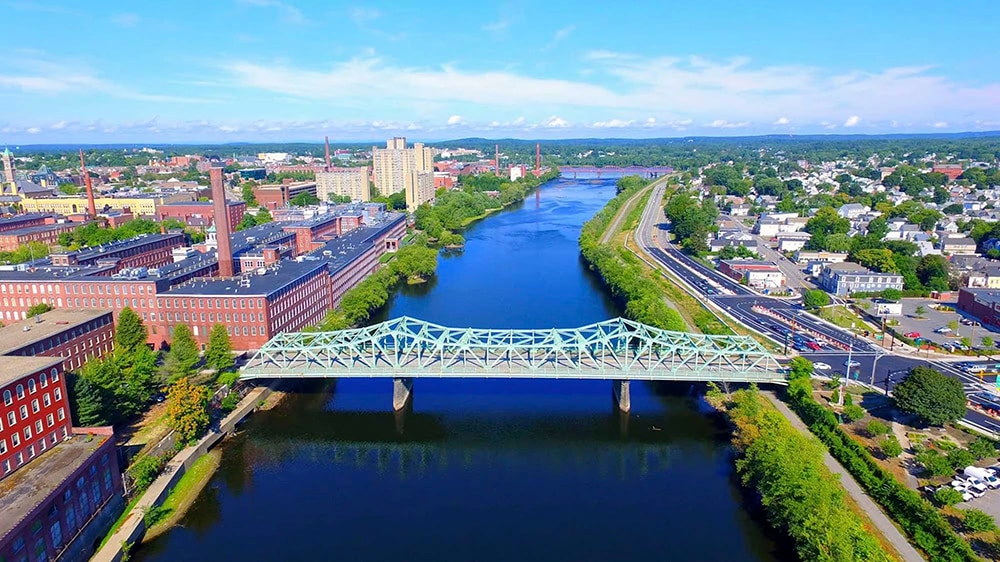
The Revolutionary Valley includes the historic Merrimack Valley, a region shaped by the Merrimack River and the communities that have lived along its banks for thousands of years. The Merrimack is one of New England’s great waterways. It has long provided transportation, food, trade routes, and fertile ground for the people who depended on it. For the Pennacook and other Indigenous nations, the river sustained daily life through its abundant salmon, fish, and surrounding forests.
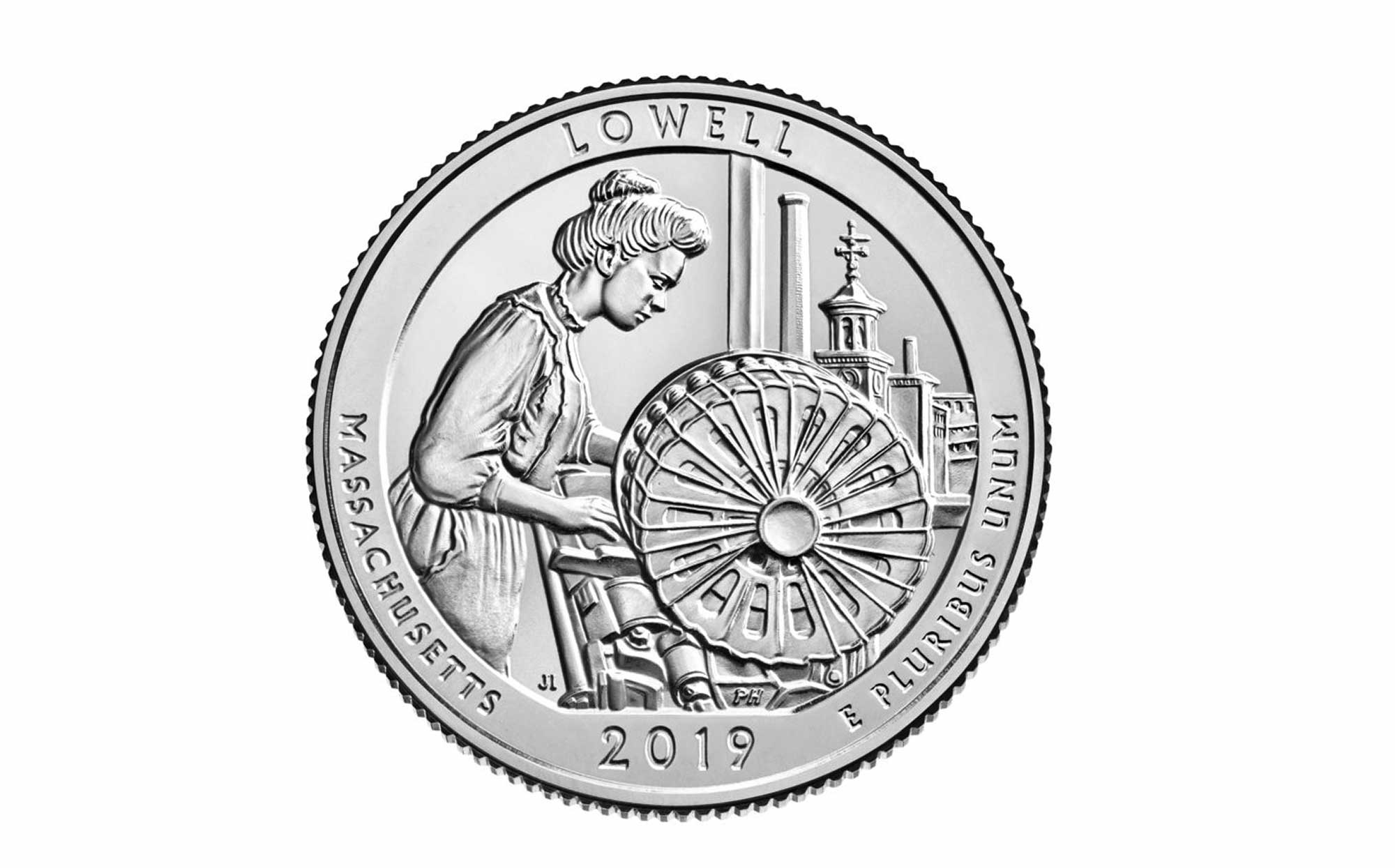
The river’s power also shaped a turning point in American history. In the early 1800s, the 32-foot drop of the Merrimack at Pawtucket Falls inspired a group of Boston investors to establish Lowell, the first large-scale planned textile city in the United States. With its network of canals and mills, Lowell became a national center of industry and innovation, drawing workers, immigrants, and ideas from around the world. By the 1850s, it stood as the country’s largest textile hub and a symbol of the Industrial Revolution.
Today, the legacy of the Merrimack River can still be felt throughout the Revolutionary Valley. Its influence shaped our towns, our culture, and the spirit of resilience and creativity that continues here. The river remains a thread connecting past and present, reminding us of the many communities who built this region and the stories that continue to unfold along its banks.
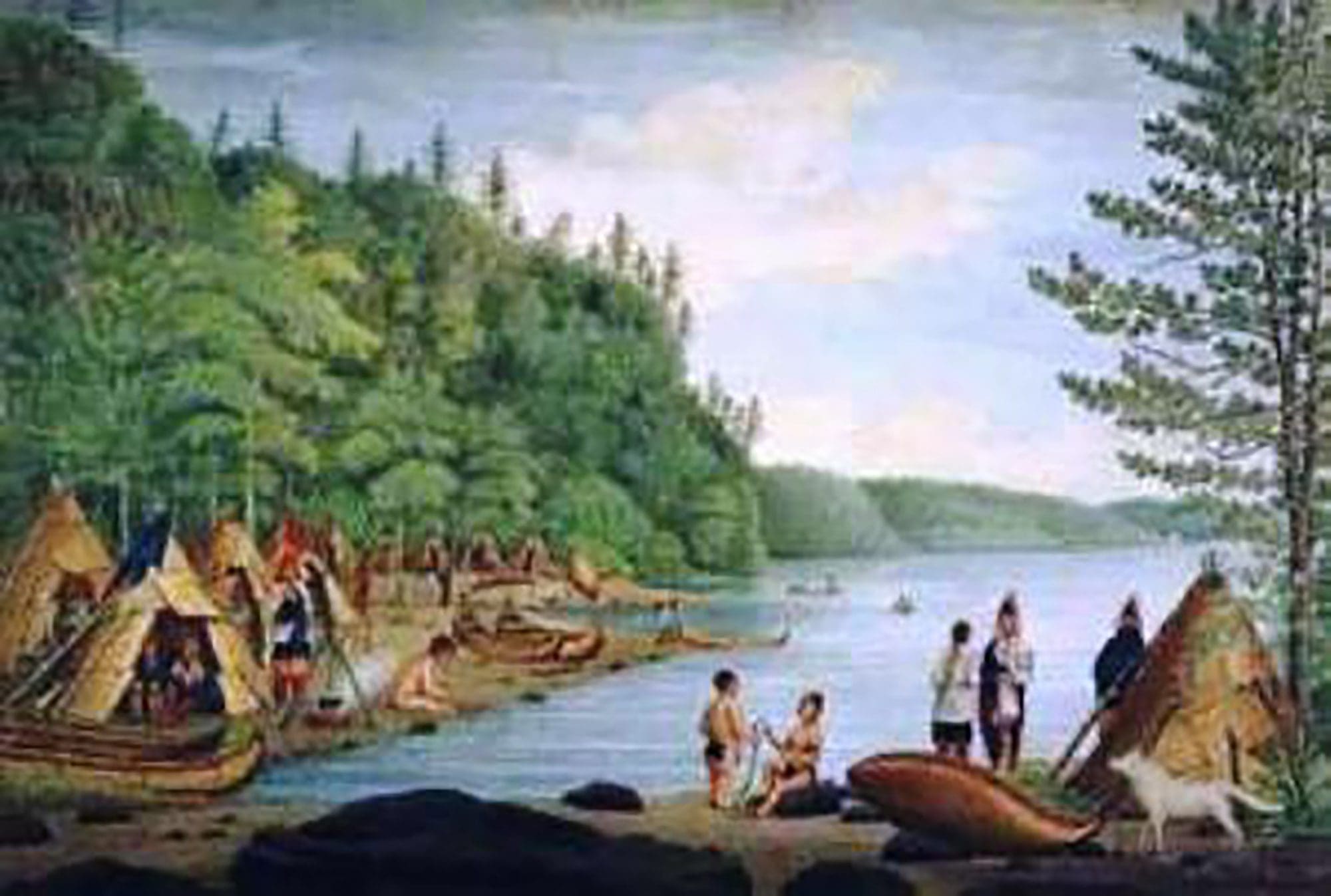
Pennacook Indians Lived in Merrimack Valley
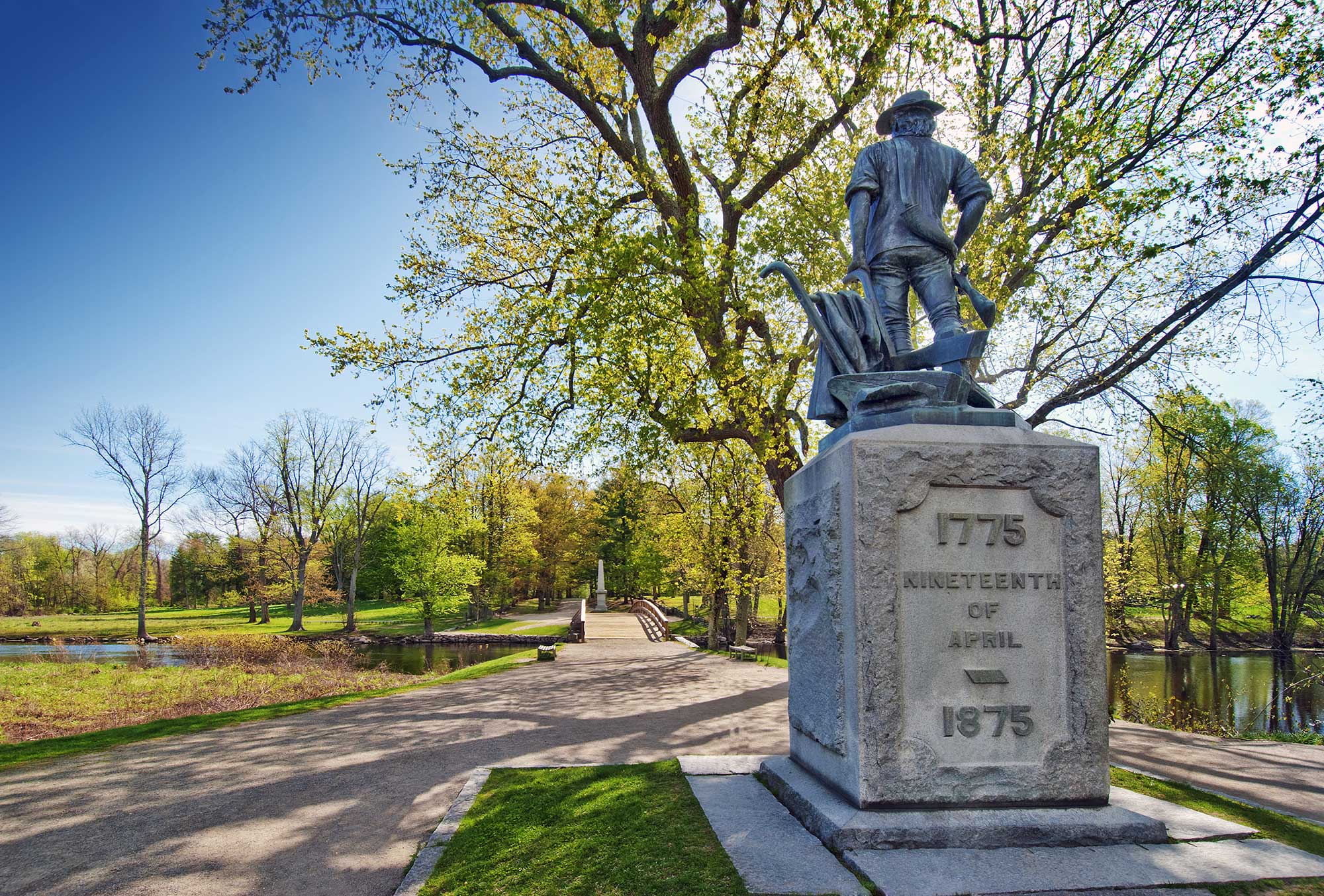
Town of Concord founded
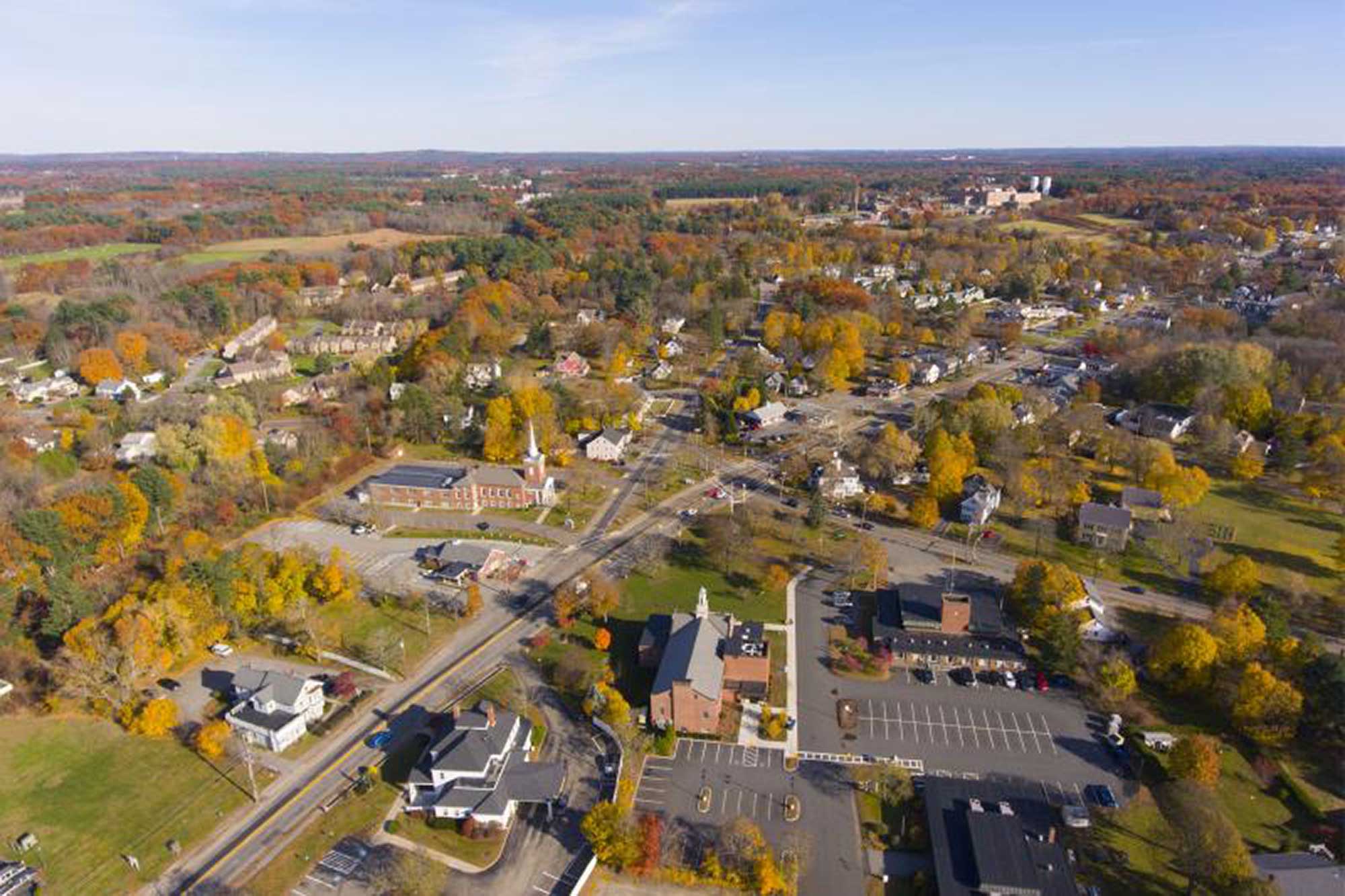
Town of Tewksbury founded

City of Woburn founded
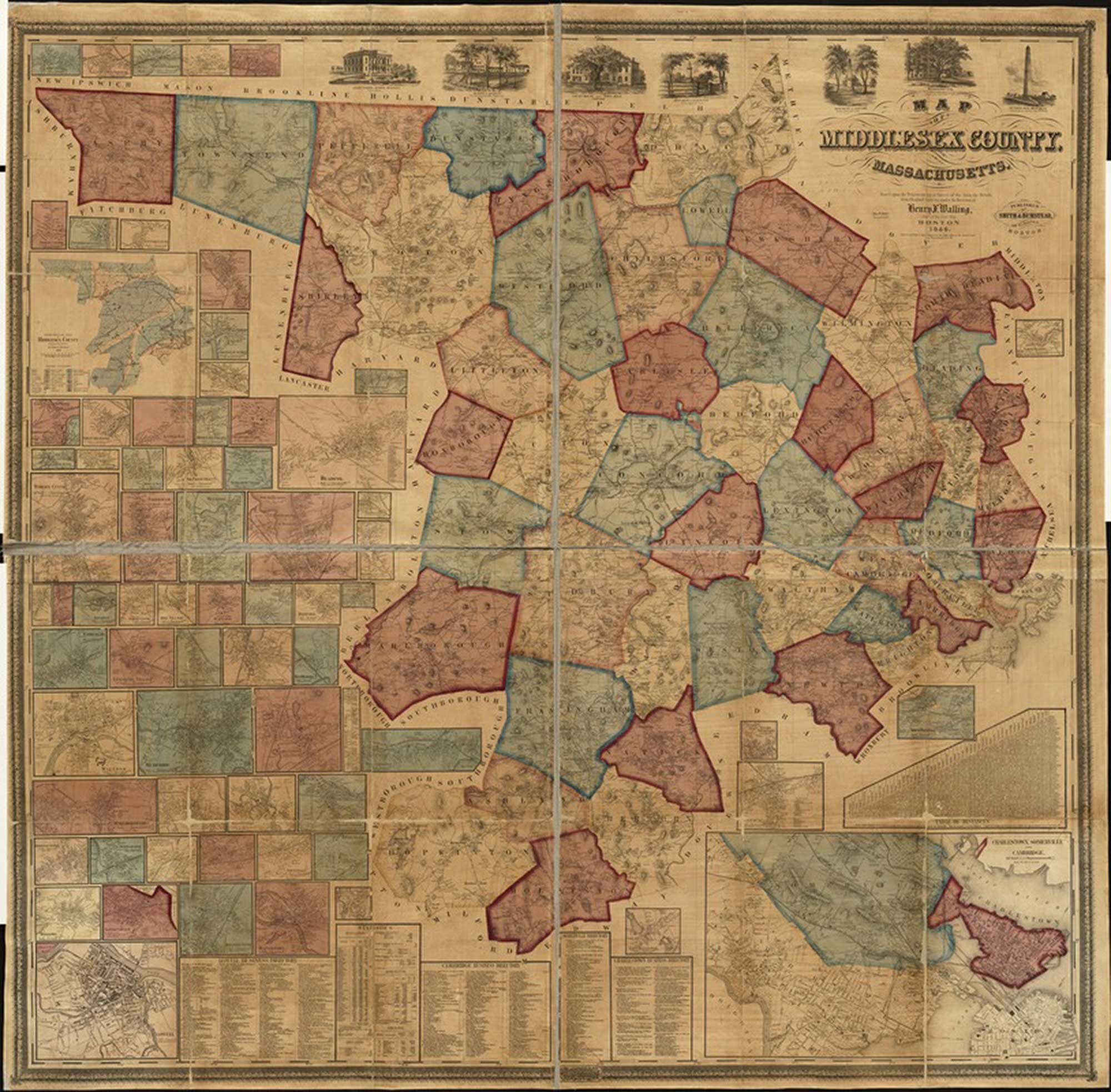
Massachusetts General Court established the County of Middlesex

Town of Billerica founded
Town of Chelmsford founded
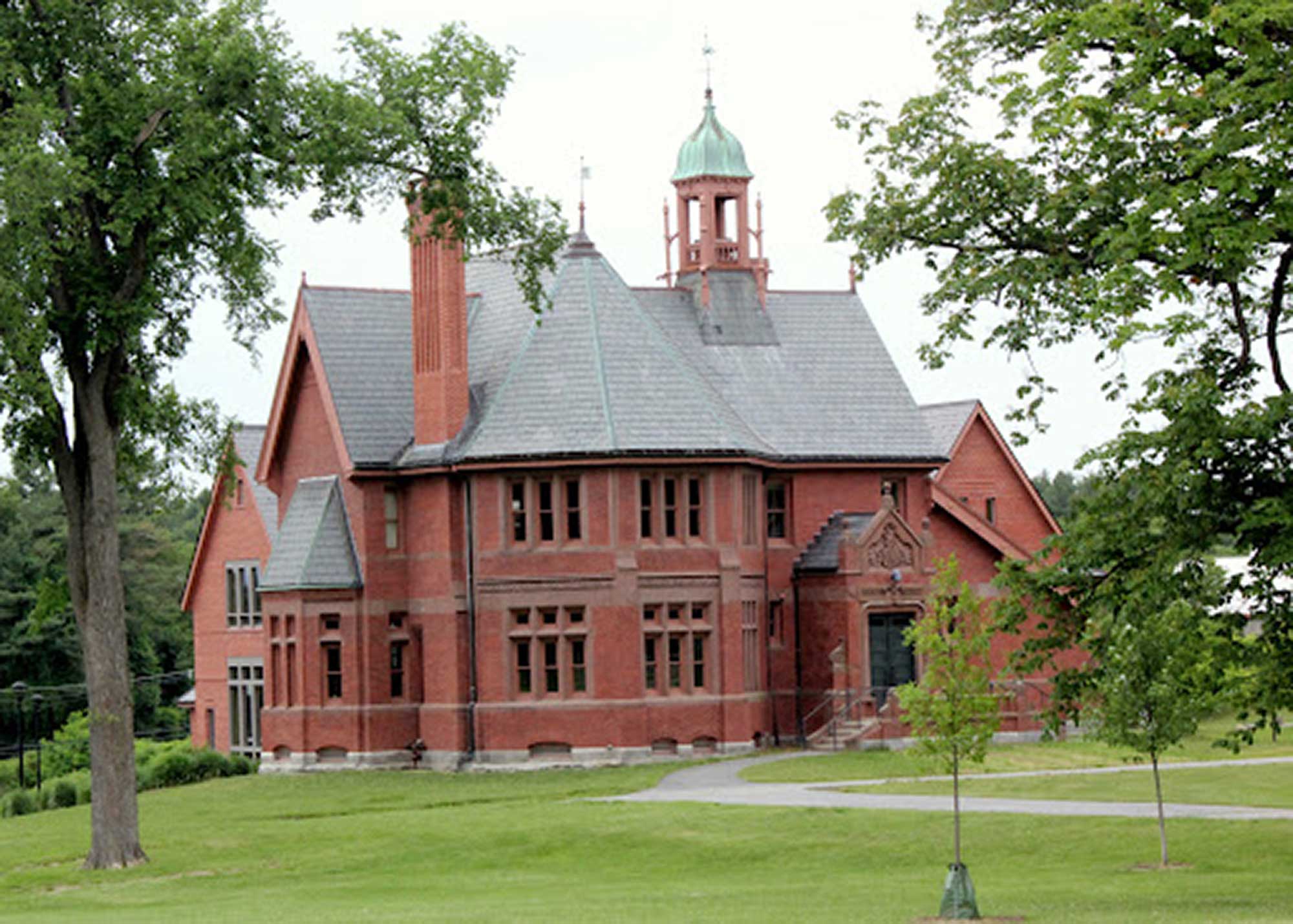
Town of Harvard founded
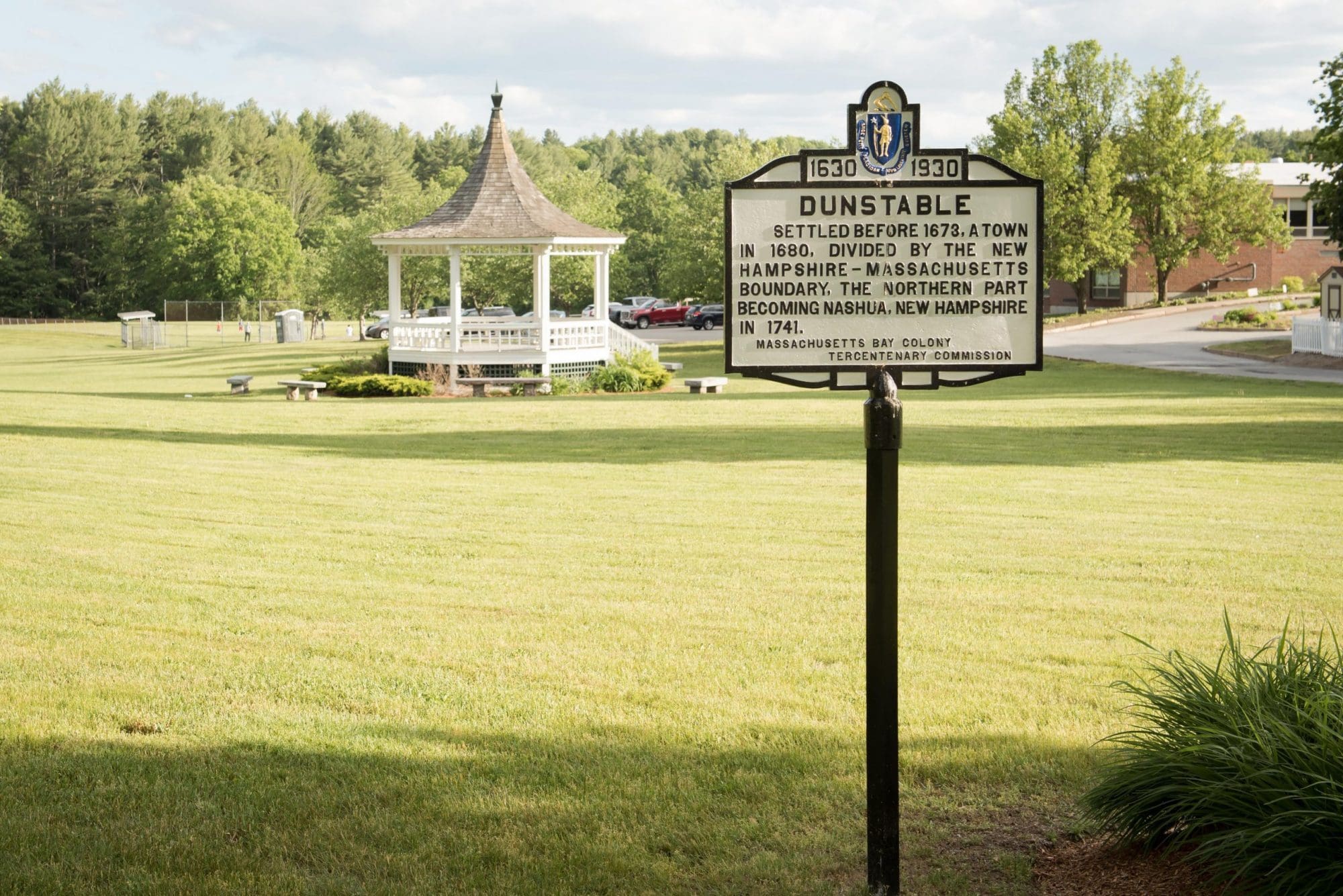
Town of Dunstable founded

Town of Stow founded
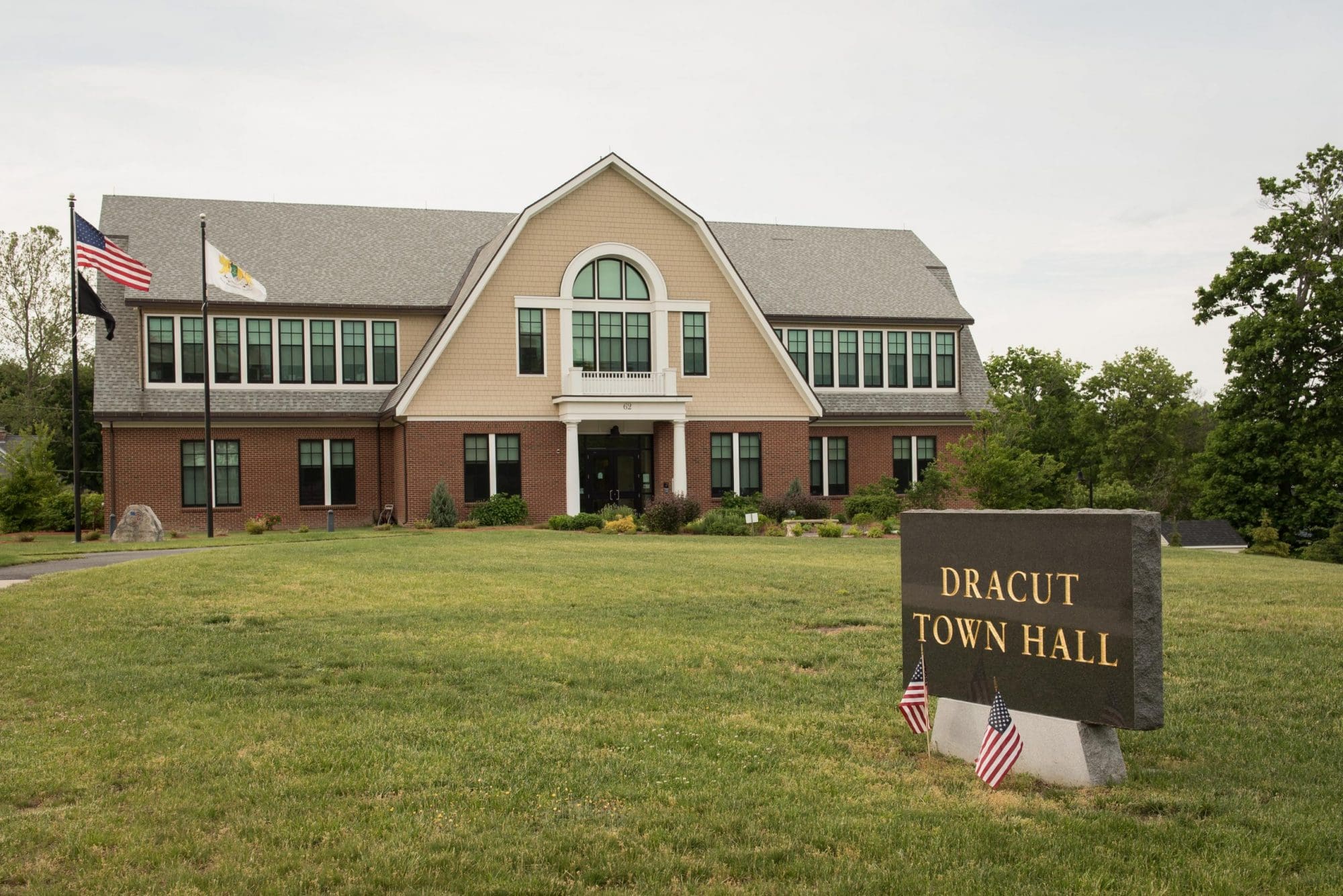
Town of Dracut founded

Town of Littleton founded

Town of Bedford founded
Town of Westford founded

Town of Wilmington founded
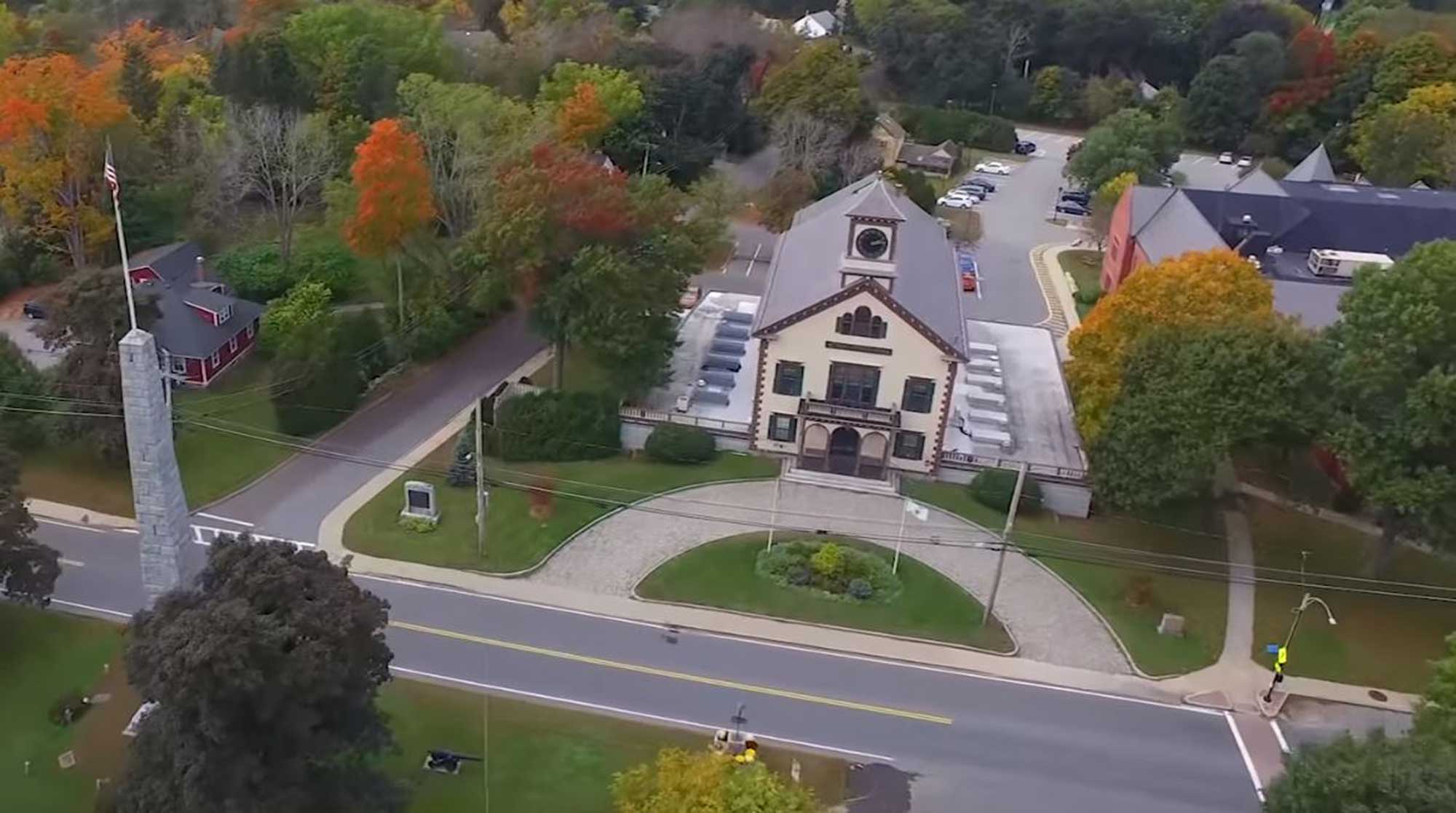
Town of Acton founded
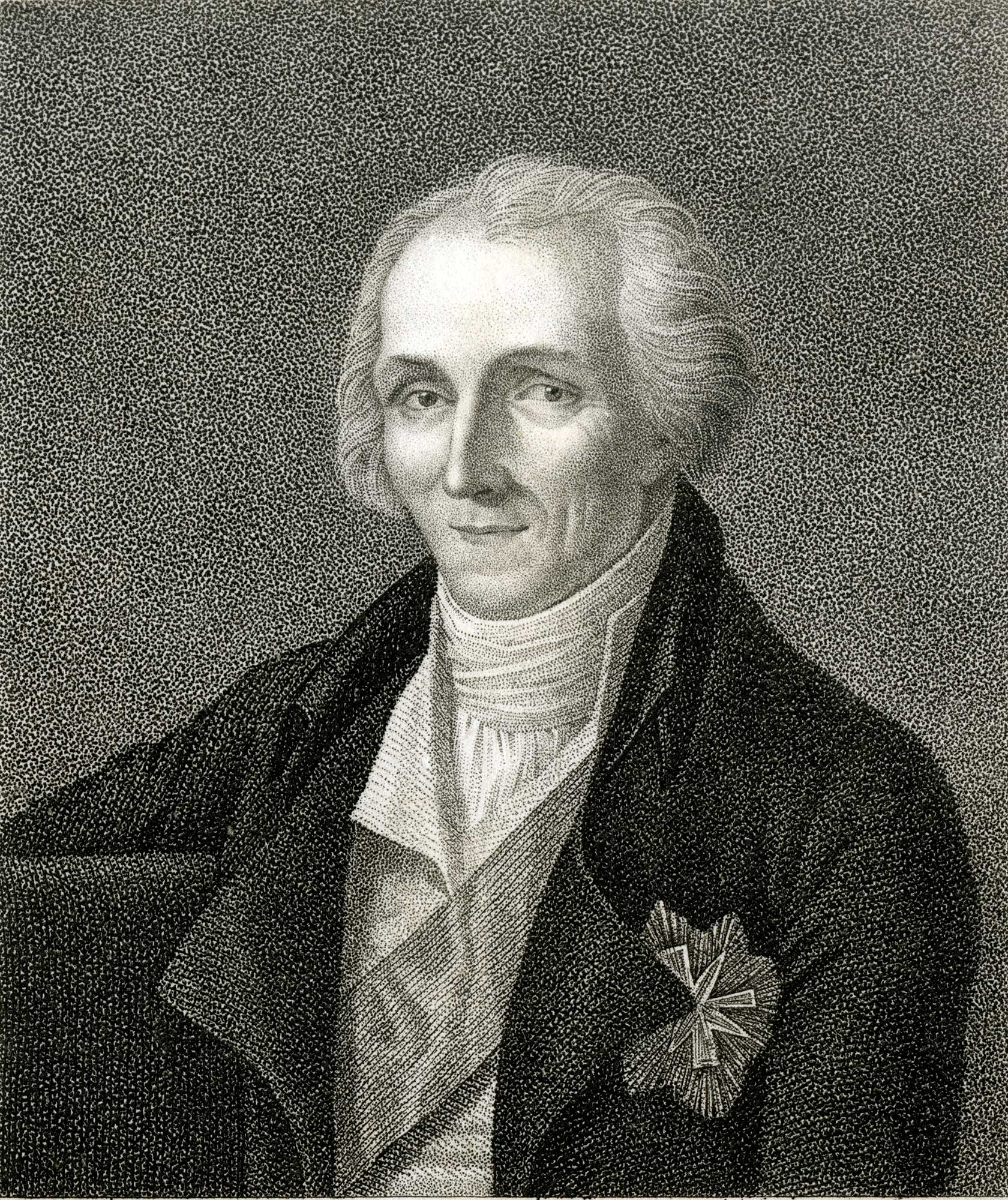
Count Rumford (Benjamin Thompson) born in Woburn.
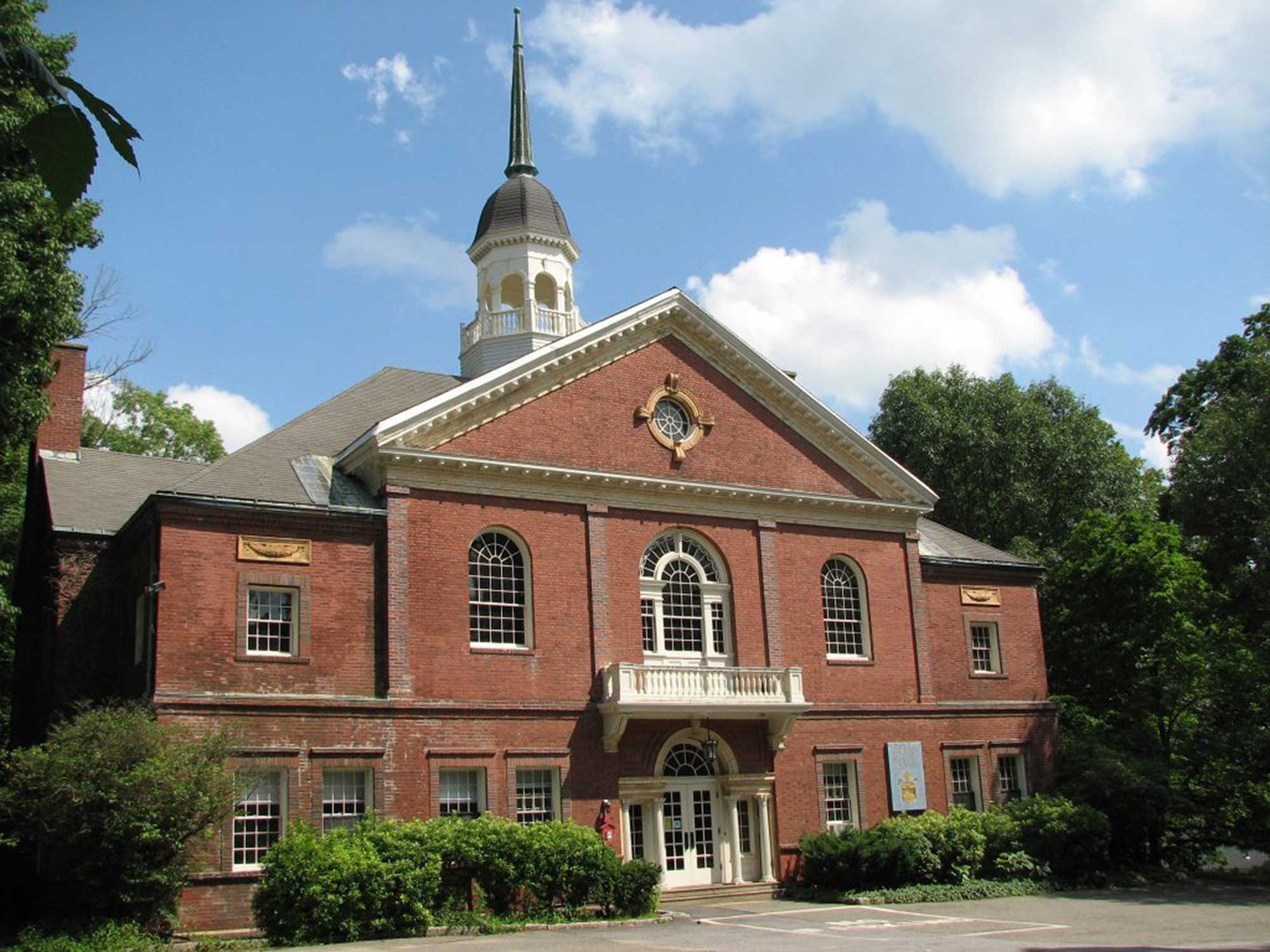
Town of Lincoln founded
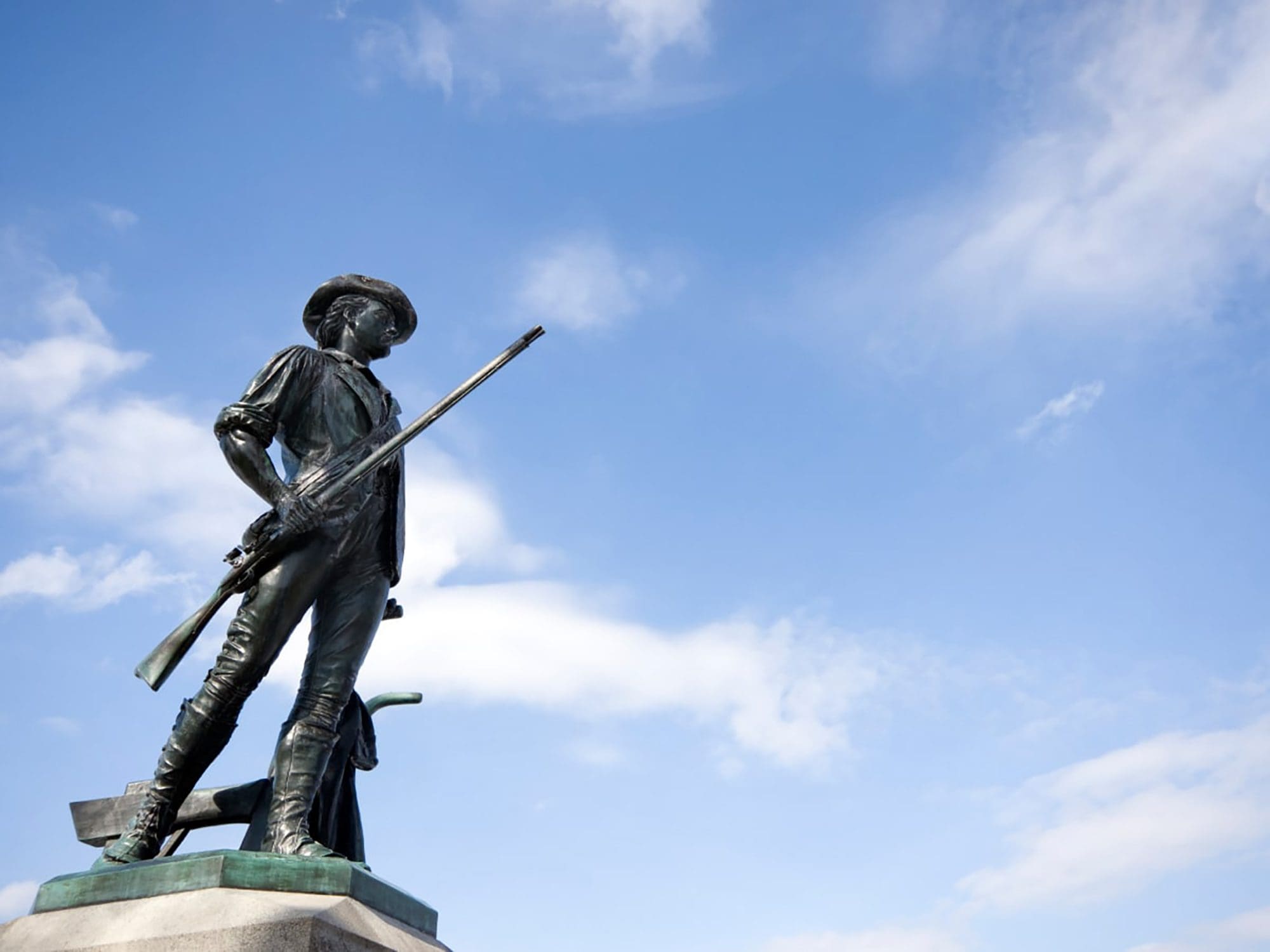
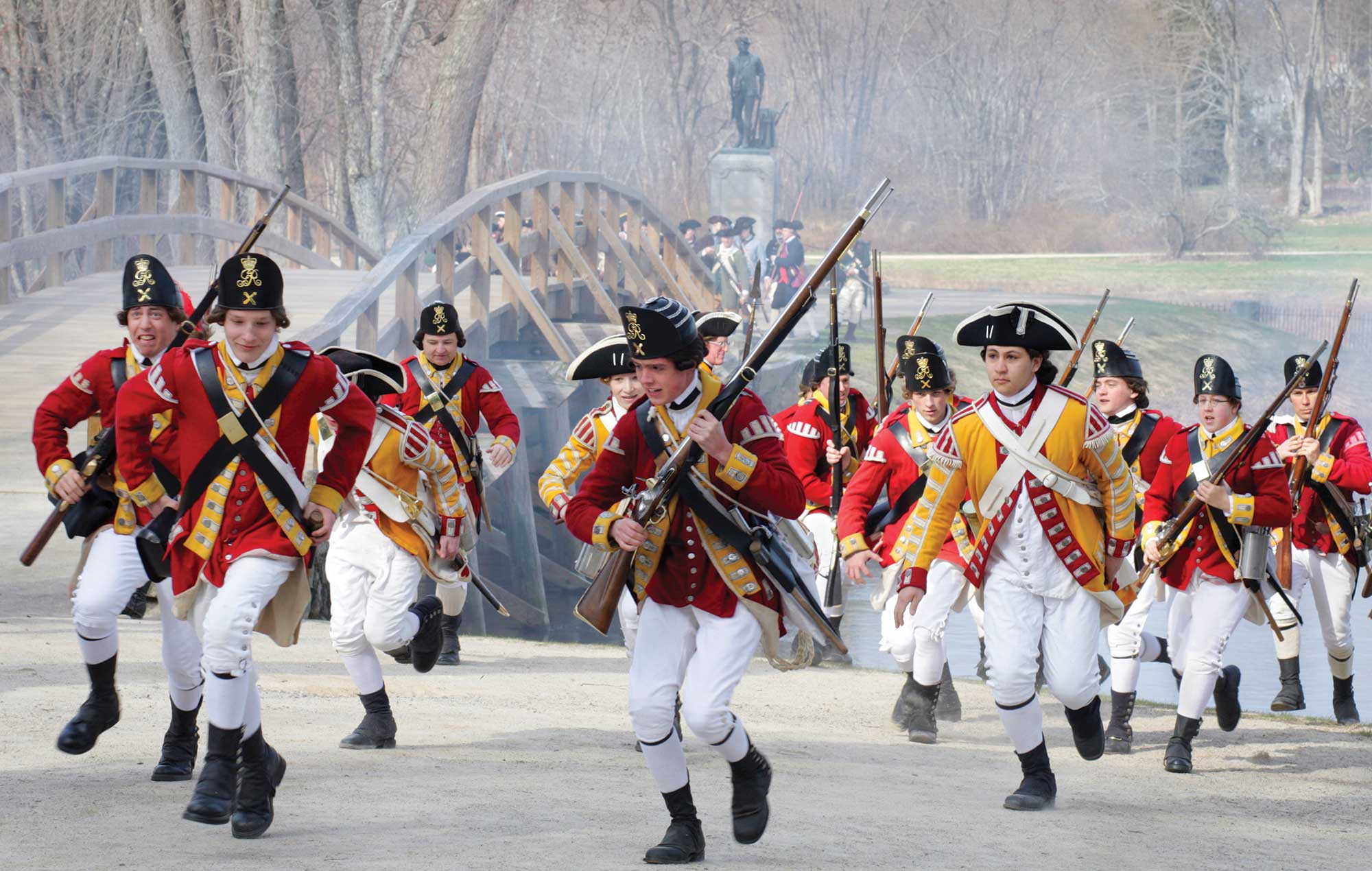
The 'Shot Heard Around the World
The Town of Lexington was founded.
The Bedford Flag is the oldest complete flag known to exist in the United States. It is celebrated as the flag carried by the Bedford Minuteman, Nathaniel Page, to the Concord Bridge at the beginning of the American Revolution, but it was already an antique on that day. It was made for a cavalry troop of the Massachusetts Bay militia early in the colonial struggle for the continent that we call “the French and Indian Wars.”
Hartwell Tavern in Lincoln plays important role in American Revolutionary War

Town of Boxborough founded
Pawtucket Canal opens
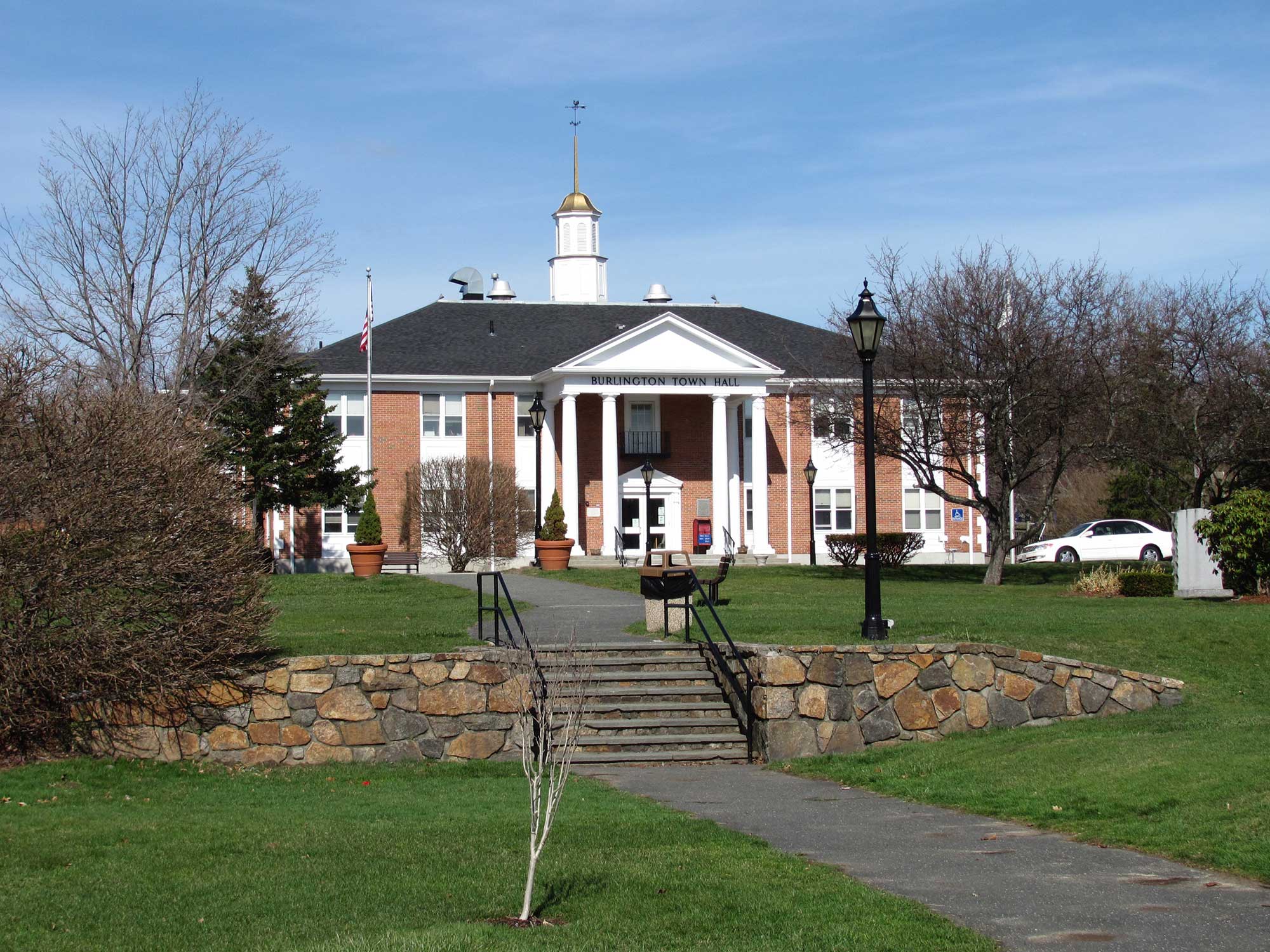
Town of Burlington founded
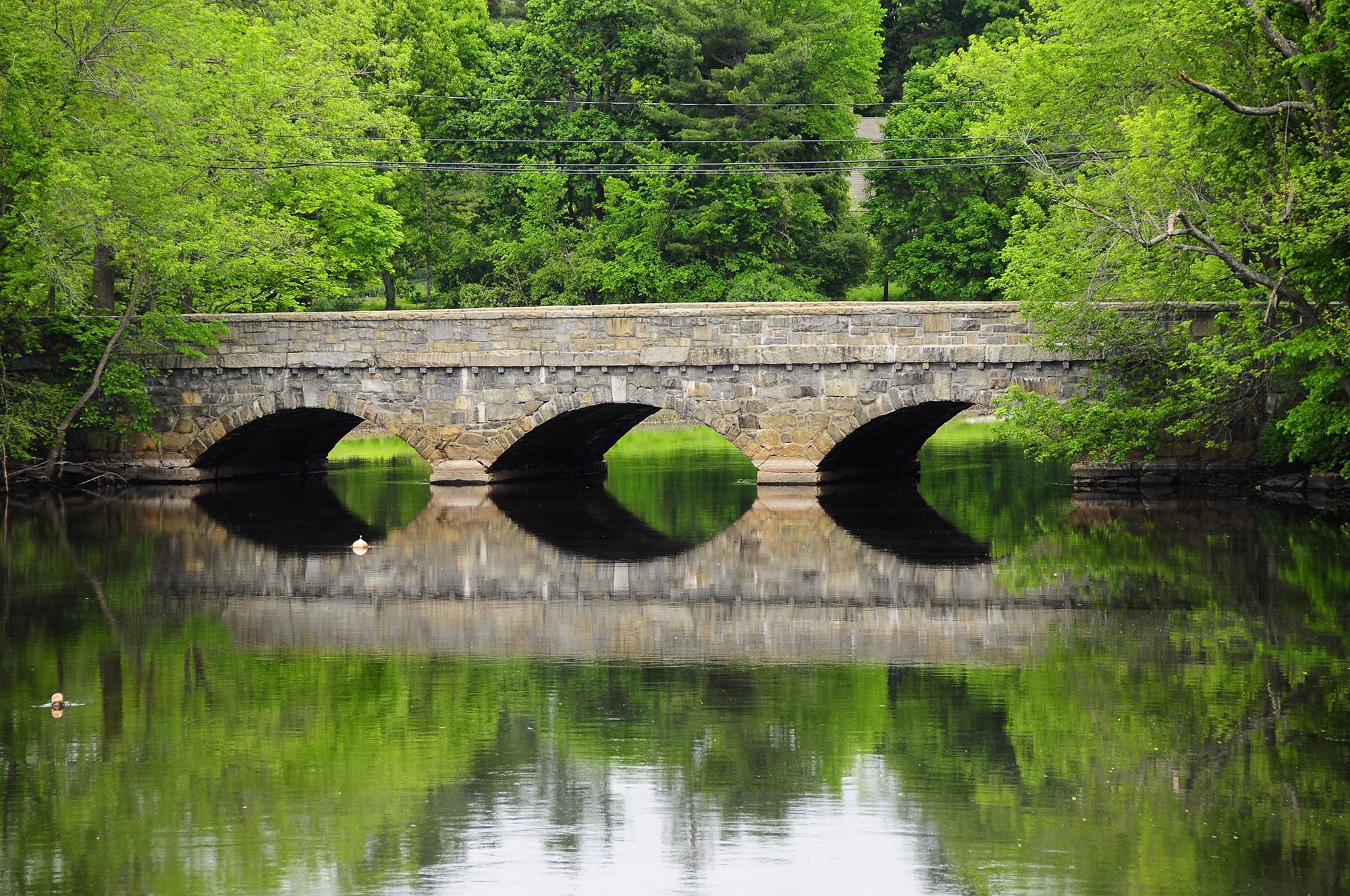
Middlesex Canal opens
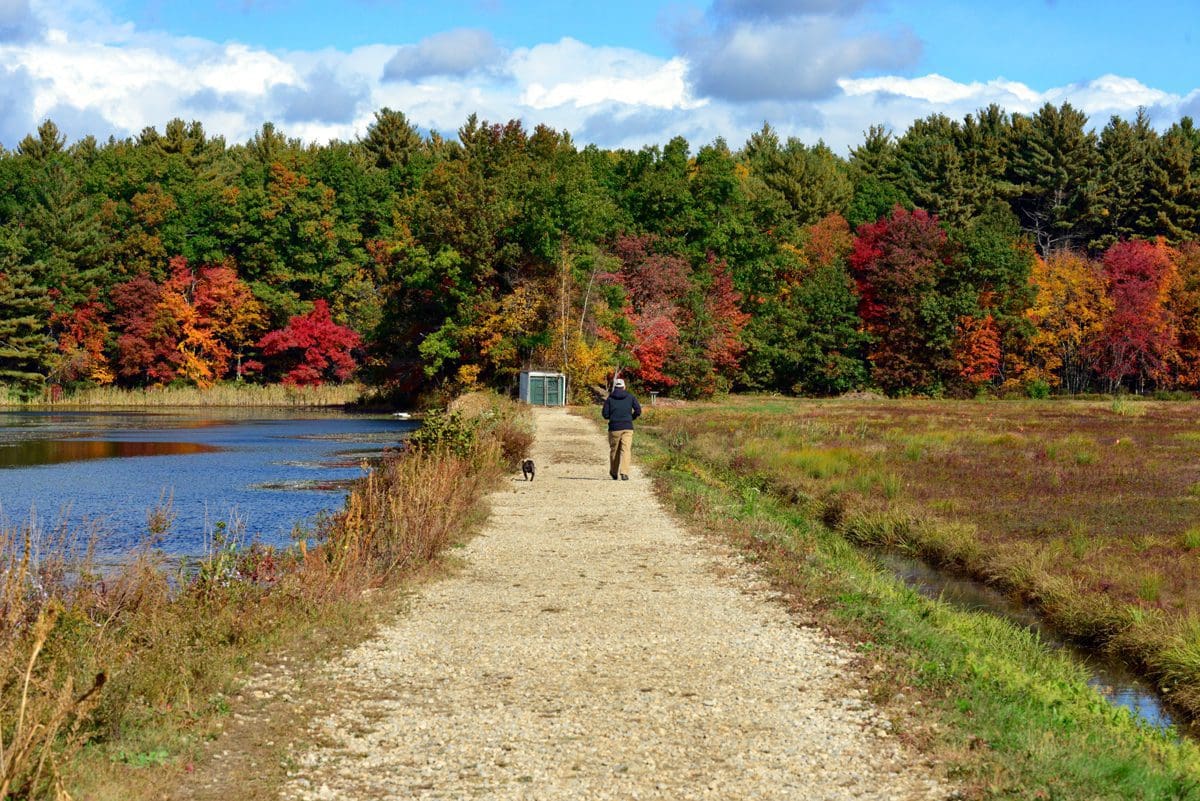
Town of Carlisle founded
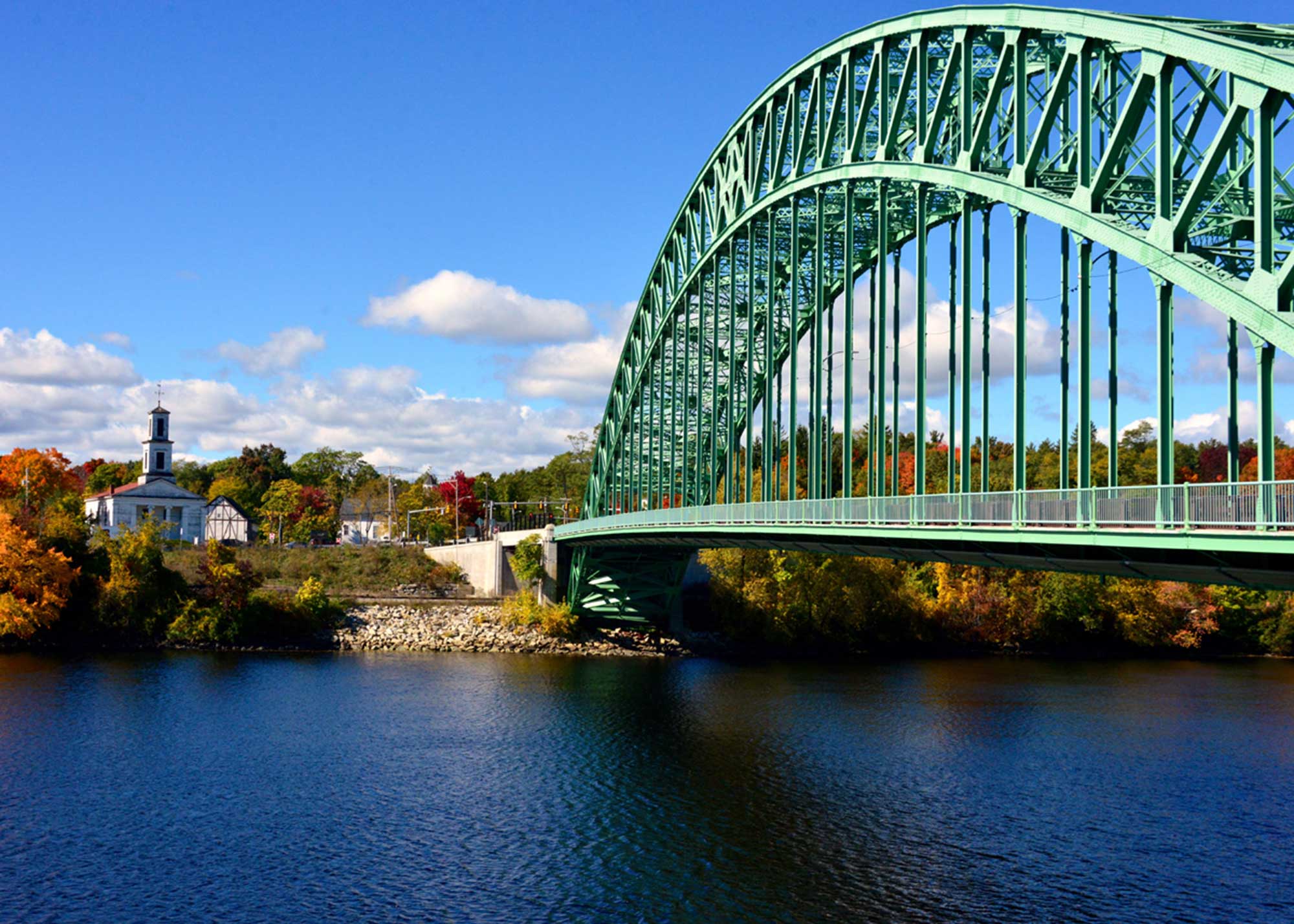
Town of Tyngsborough founded
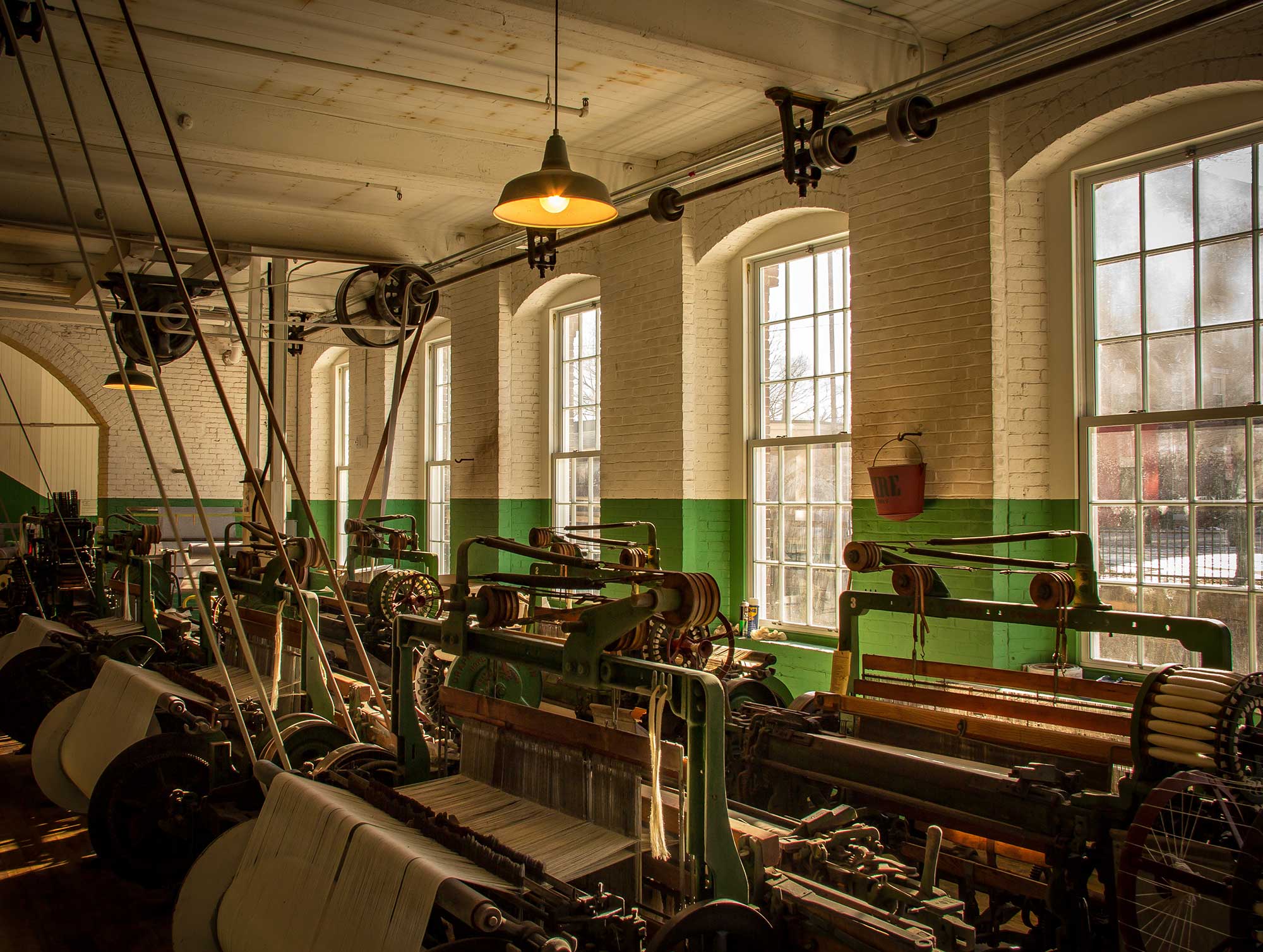
Phineas Whiting & Josiah Fletcher open a cotton mill near present day Lower Locks in Lowell
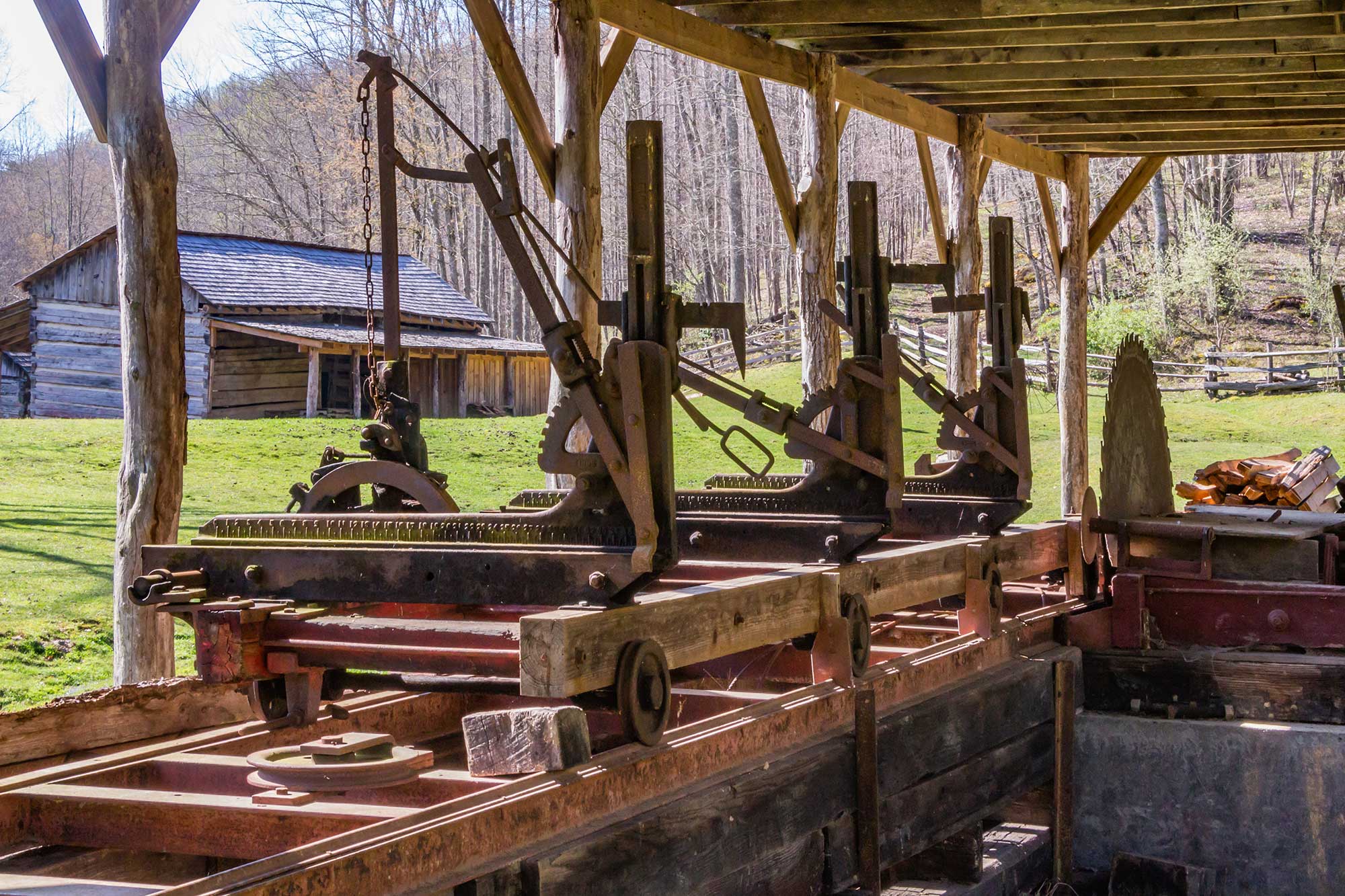
Bowers’ saw mill and grist mill built
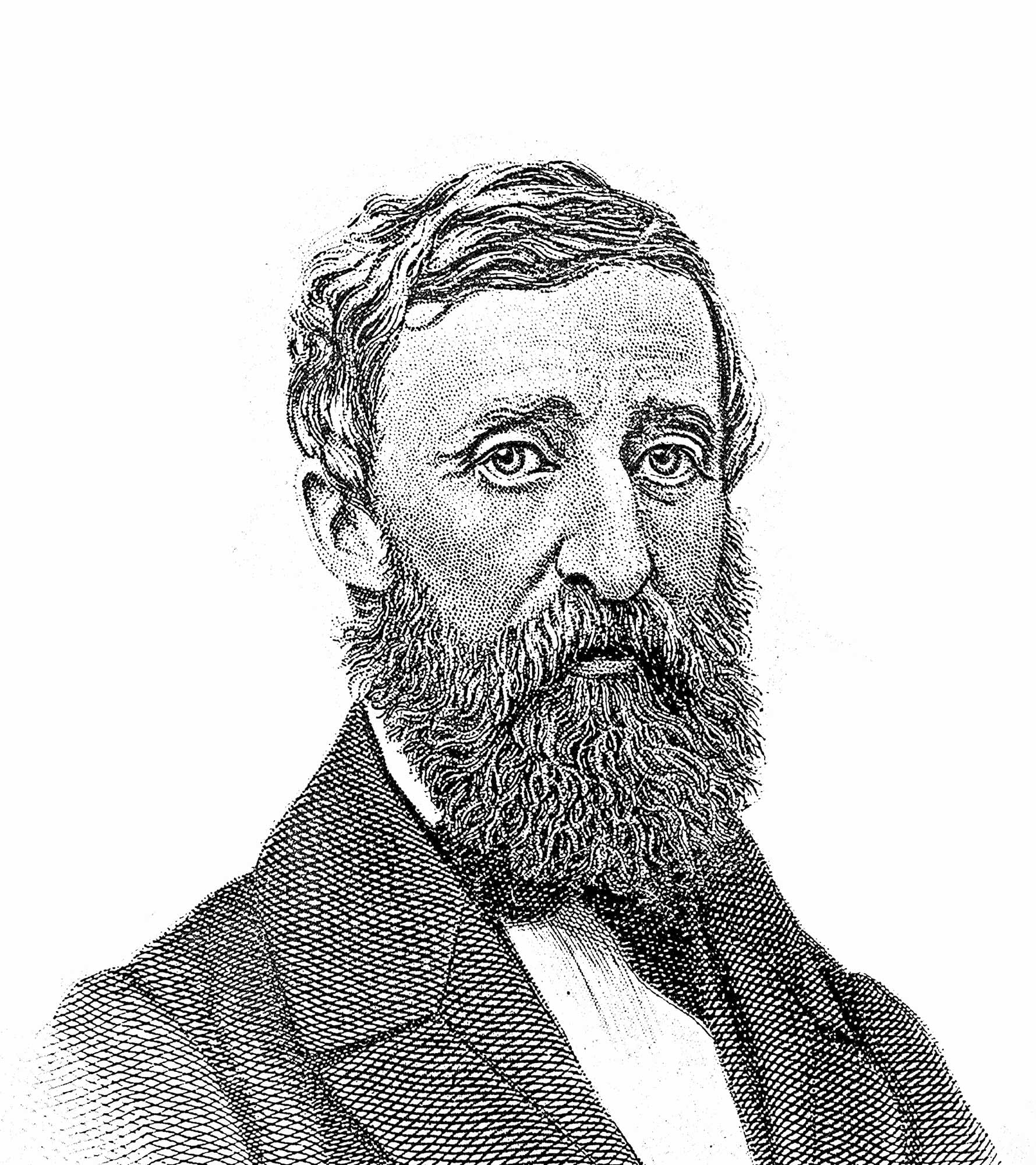
Henry David Thoreau is born in Concord
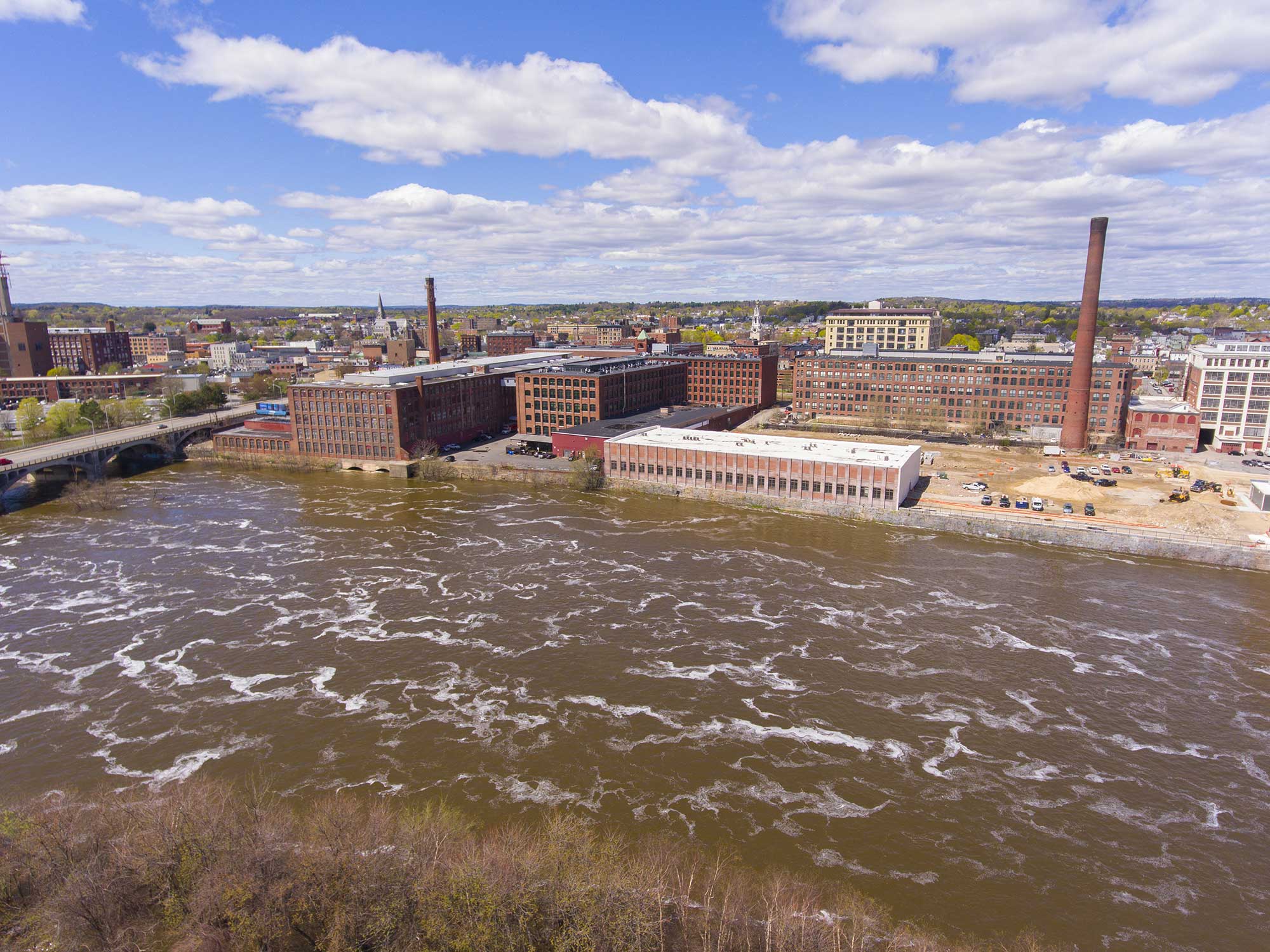
Merrimack Manufacturing Company
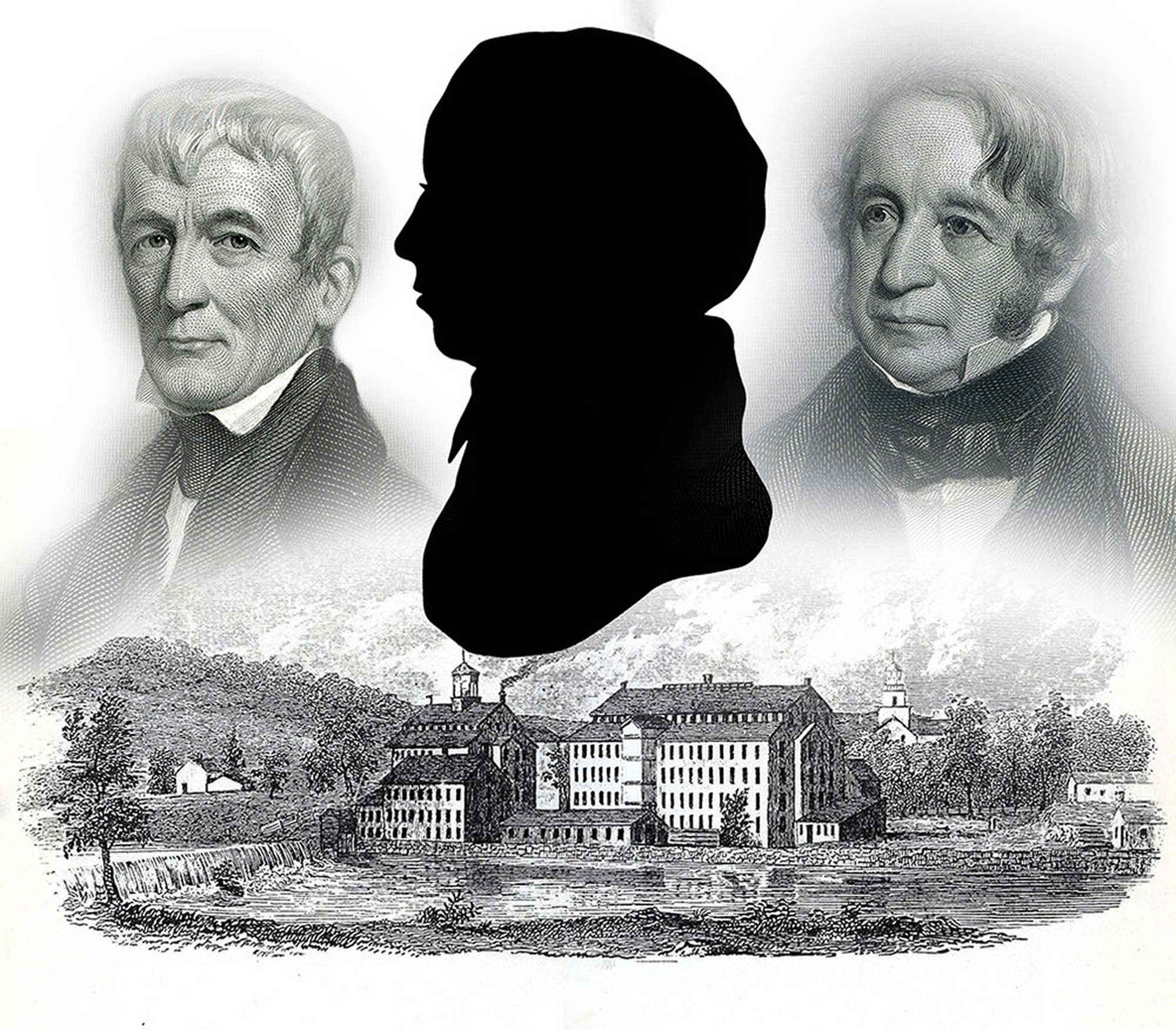
Francis Cabot Lowell
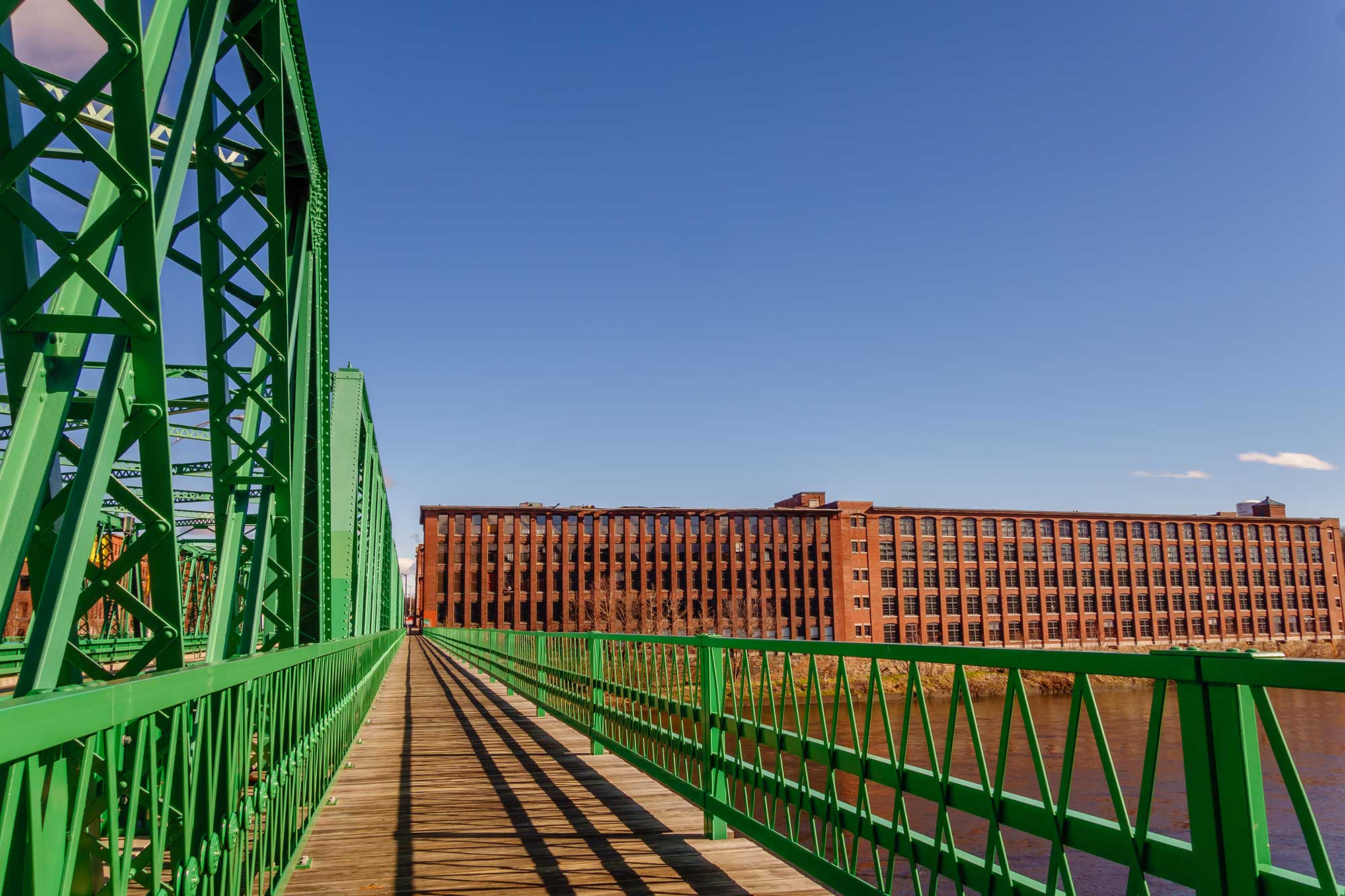
Merrimack Mills
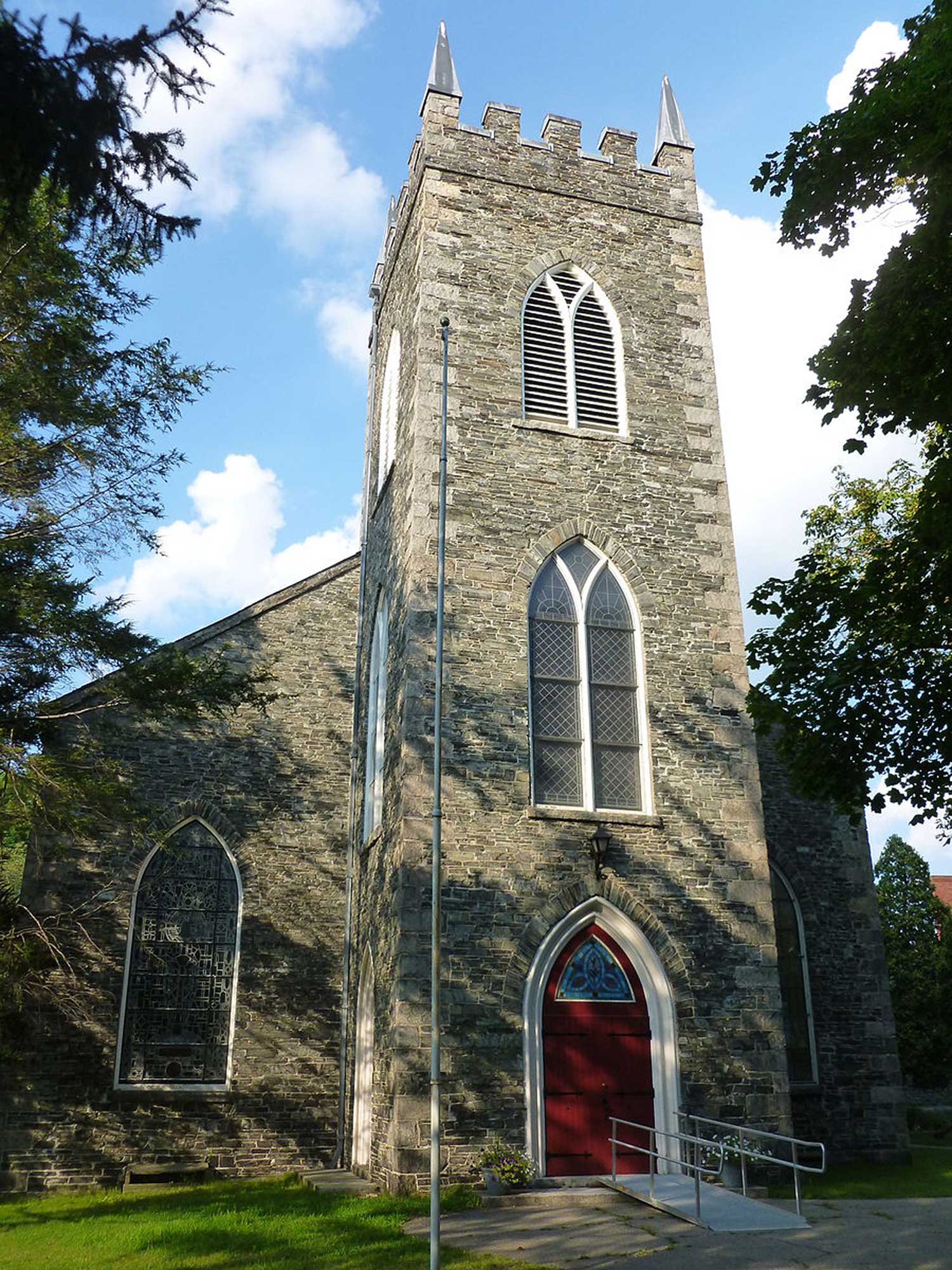
St Anne’s Church in Lowell is established Merrimack Valley’s first newspaper
Lowell Daily Journal established
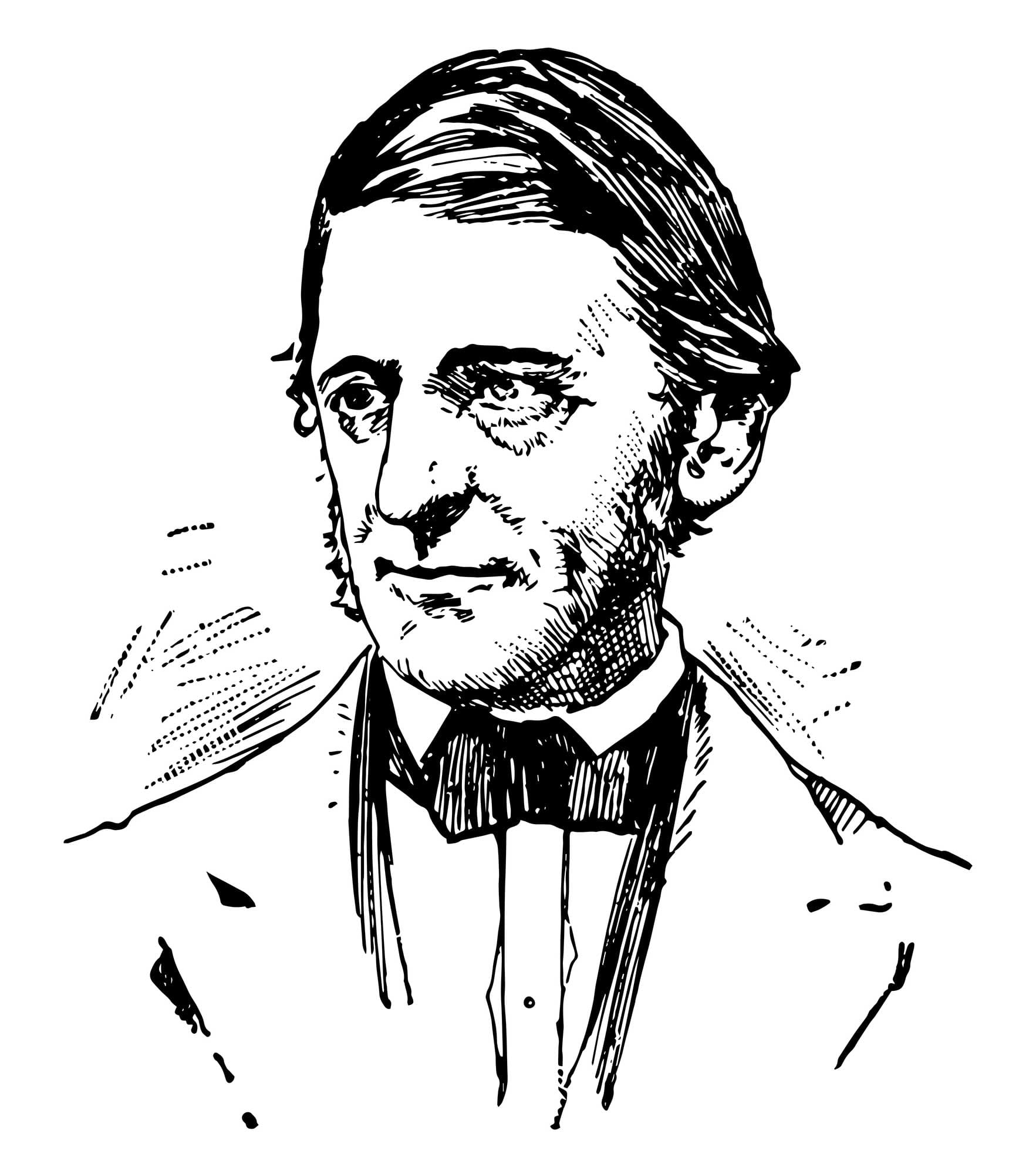
Ralph Waldo Emerson
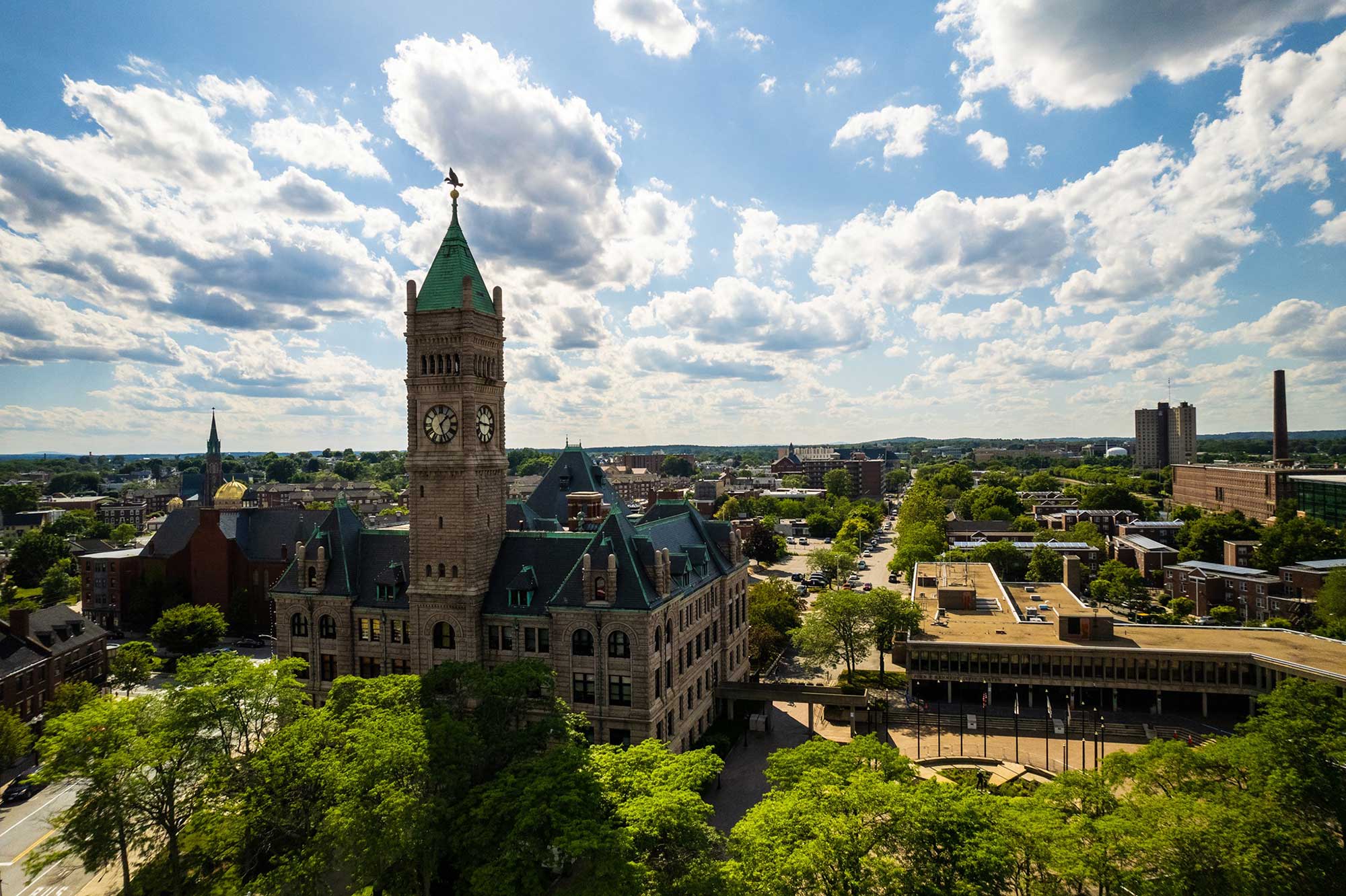
City of Lowell founded
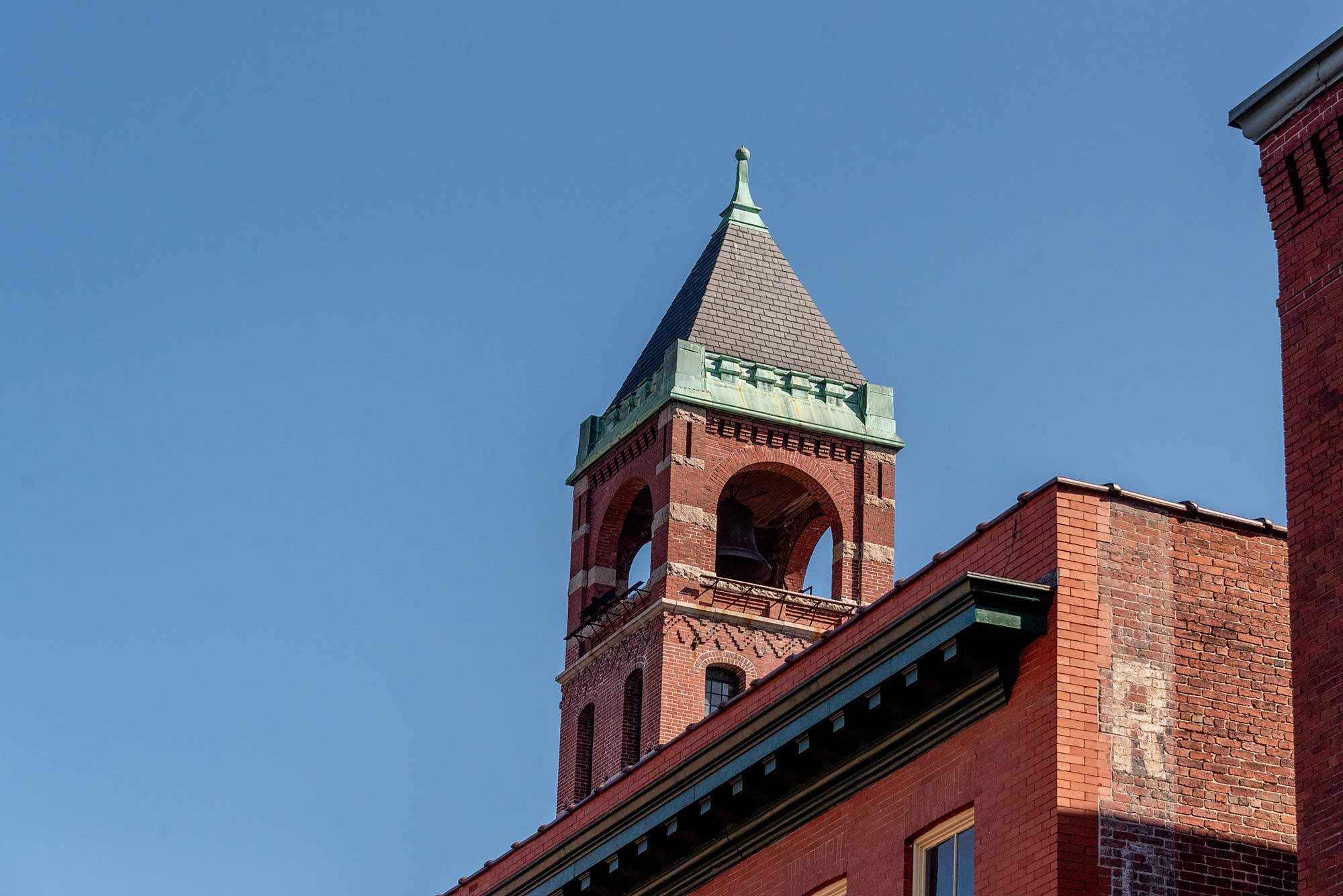
Appleton Manufacturing Company is incorporated and Lowell Manufacturing Company incorporated
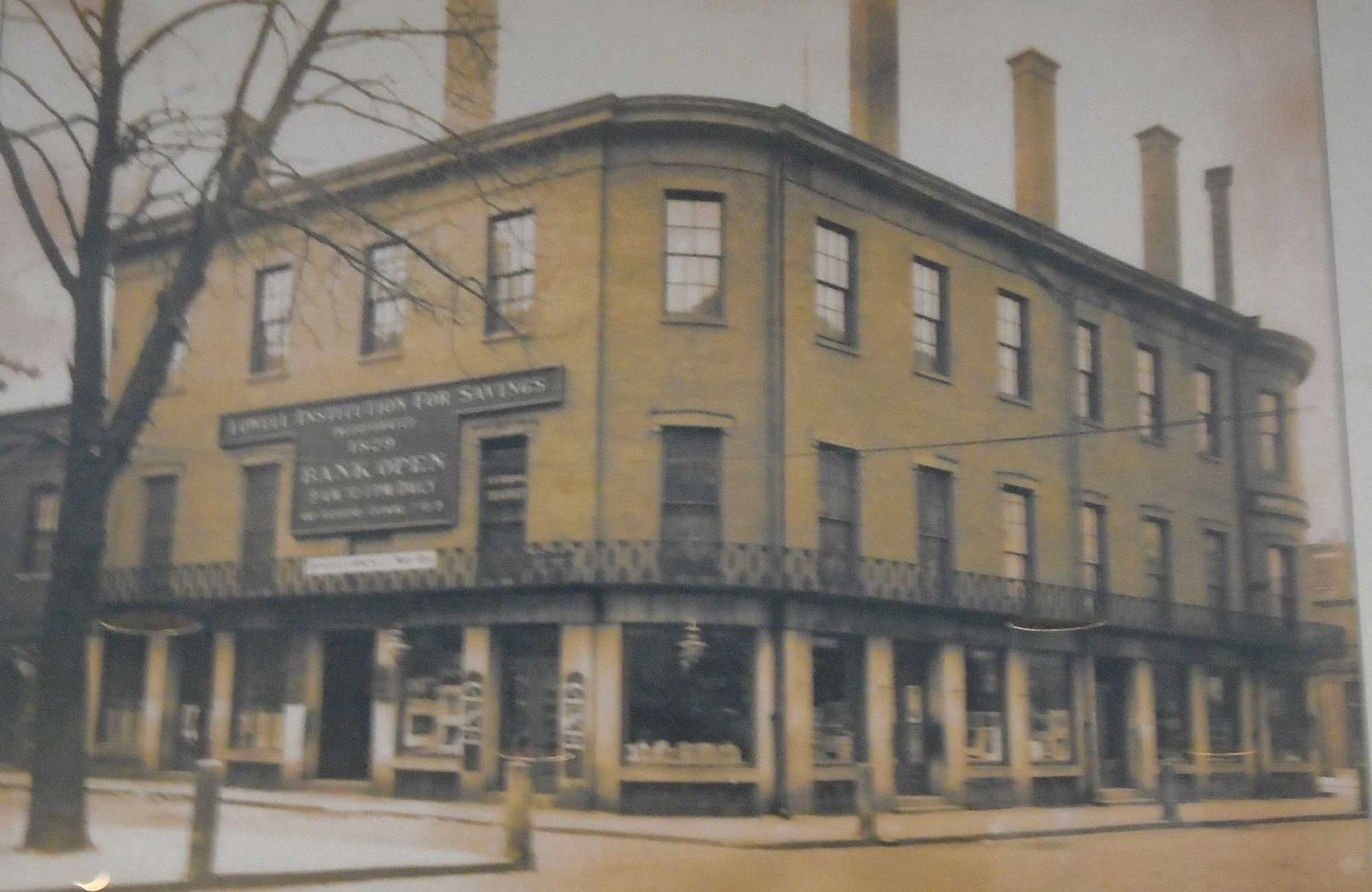
Lowell Institution for Savings founded
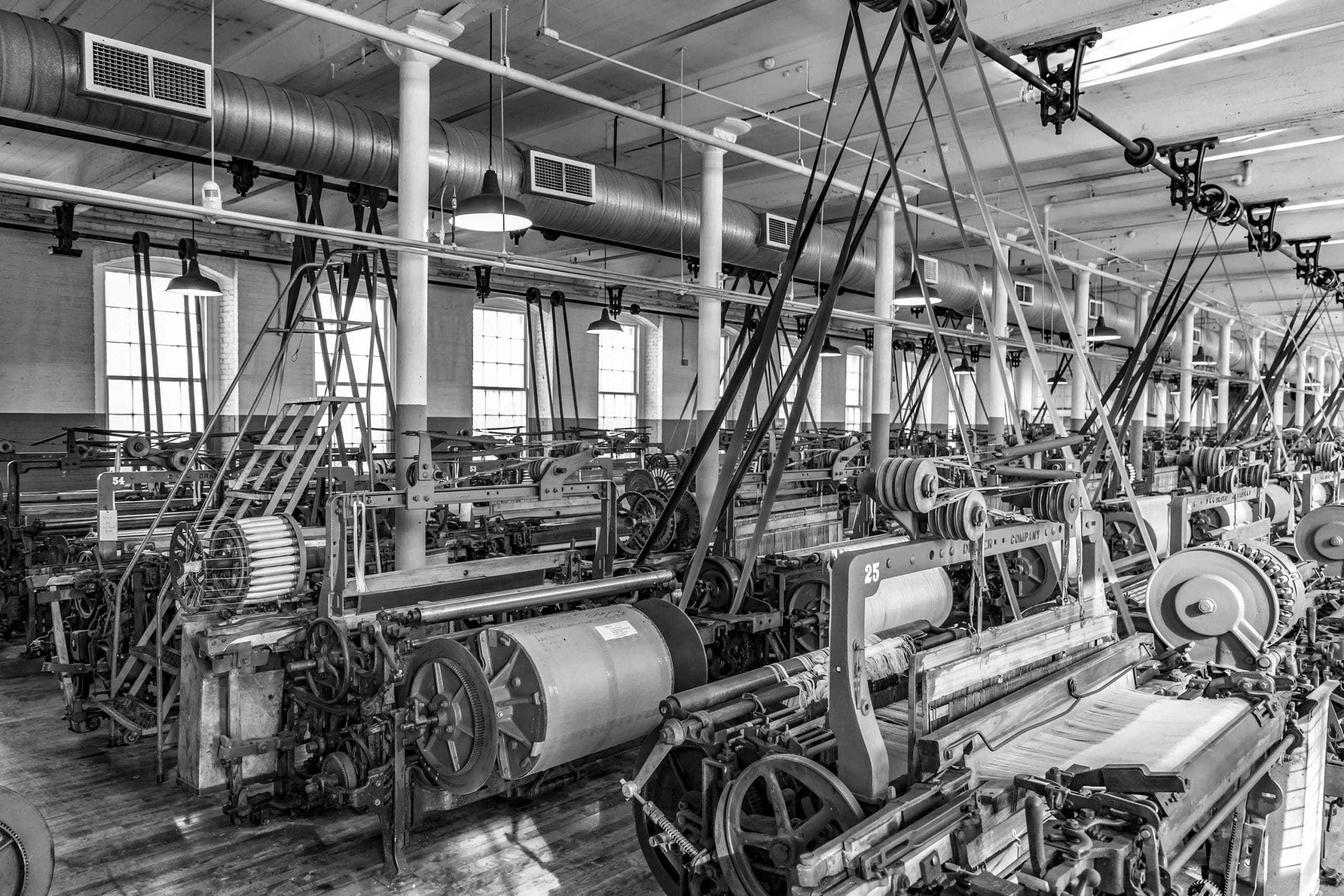
Middlesex, Tremont, and Suffolk Manufacturing Companies are established
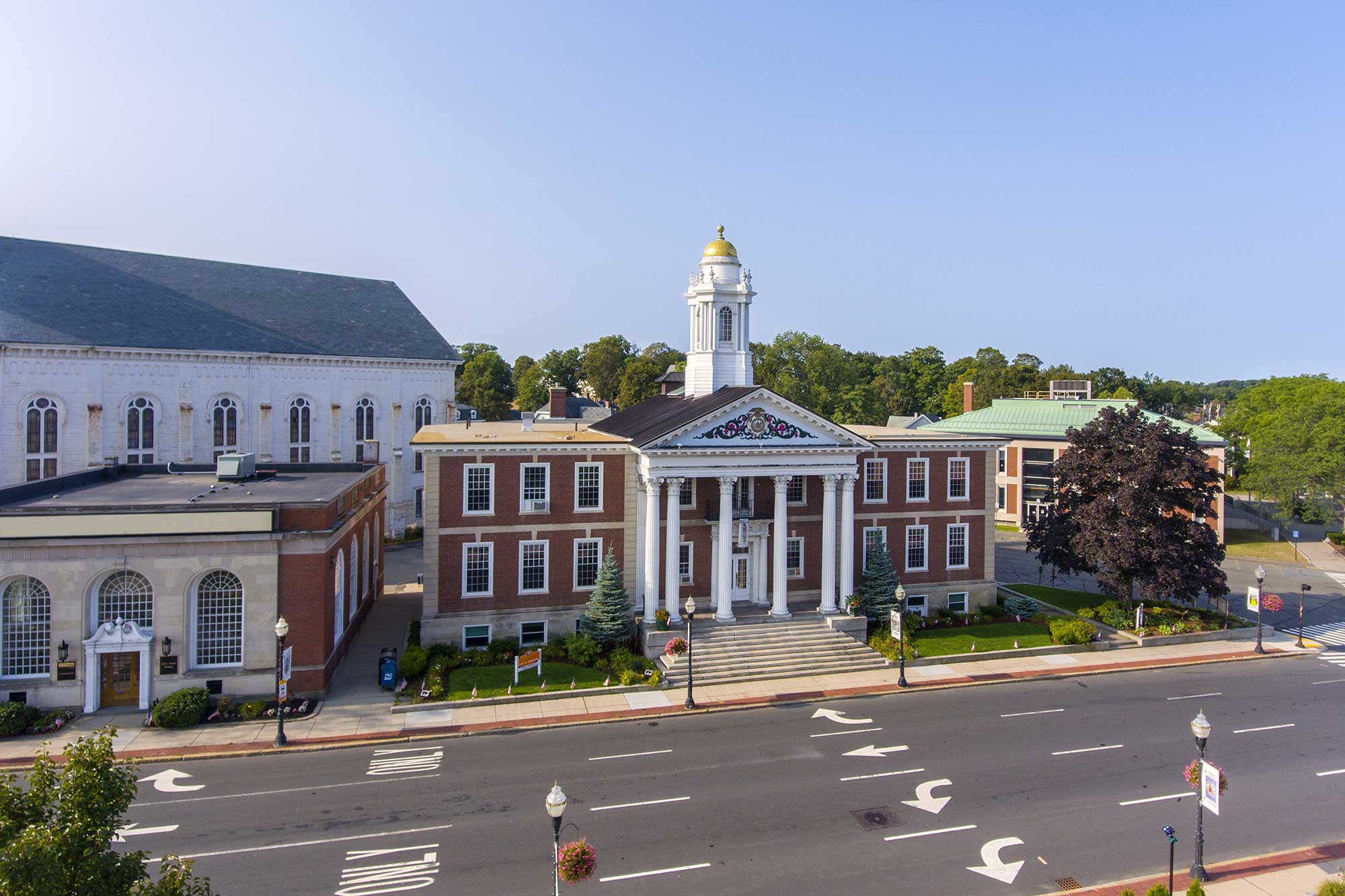
Lowell High School opens
Steel pens were first used in Woburn
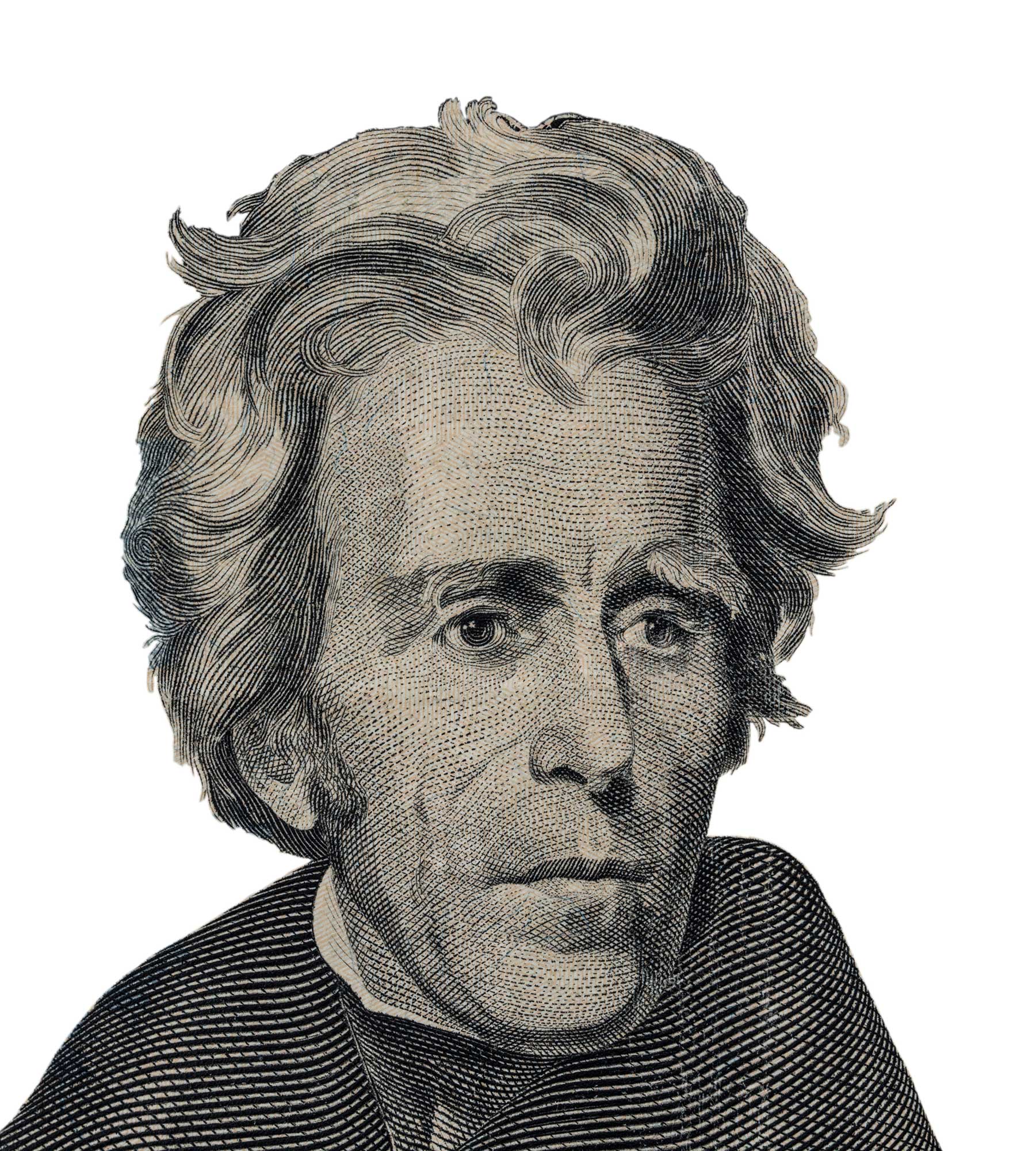
President Jackson along with VP and future President Martin Van Burn visit Lowell
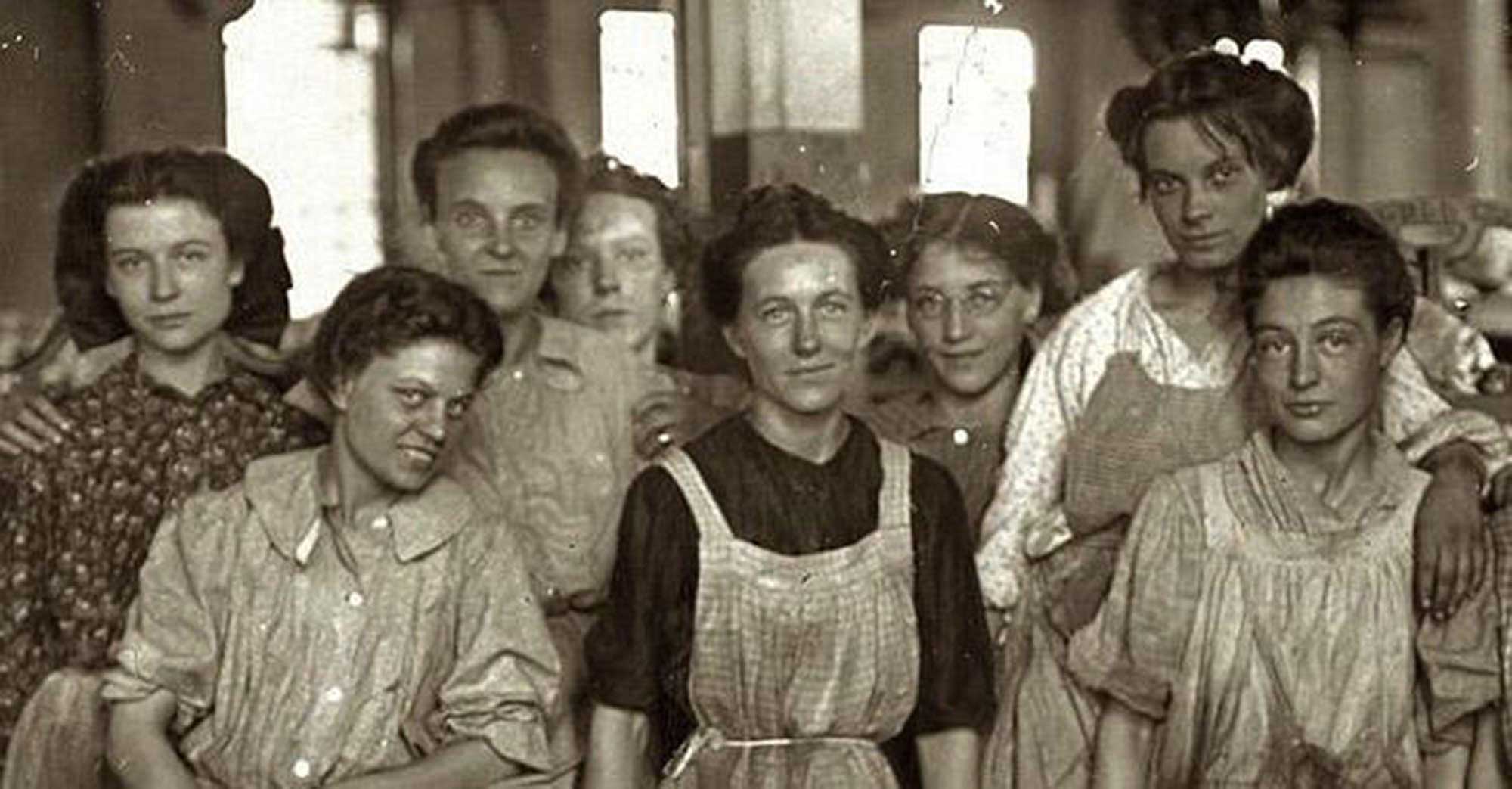
The Mill Girls
Belvidere Manufacturing Company is founded
James Abbott McNeill Whistler is born in Lowell
Michel Chevalier, Davey Crockett, George Thompson and Daniel Webster visit Lowell
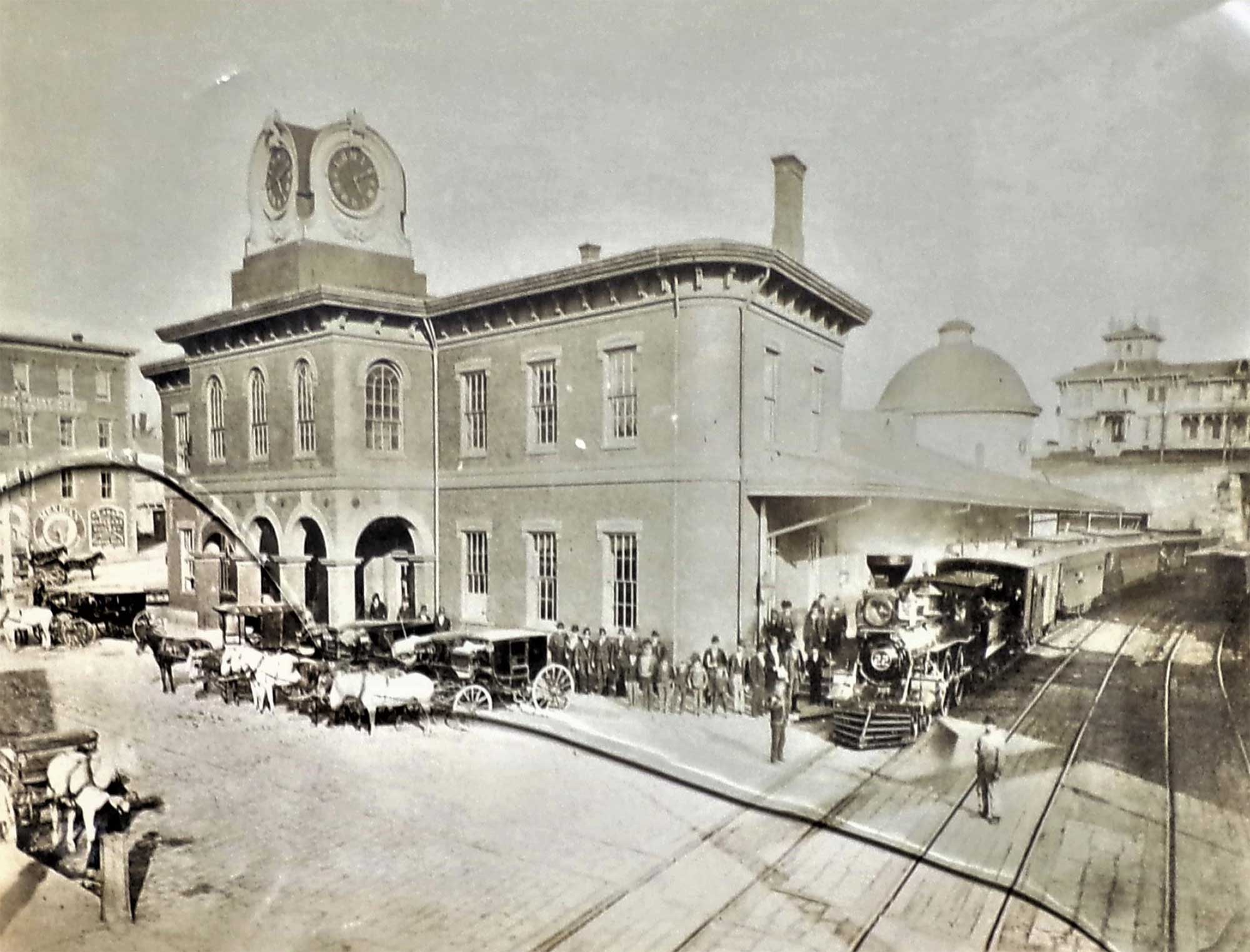
Boston & Lowell Railroad started
Boott Cotton Mills is incorporated
Ralph Waldo Emerson moves to Lexington
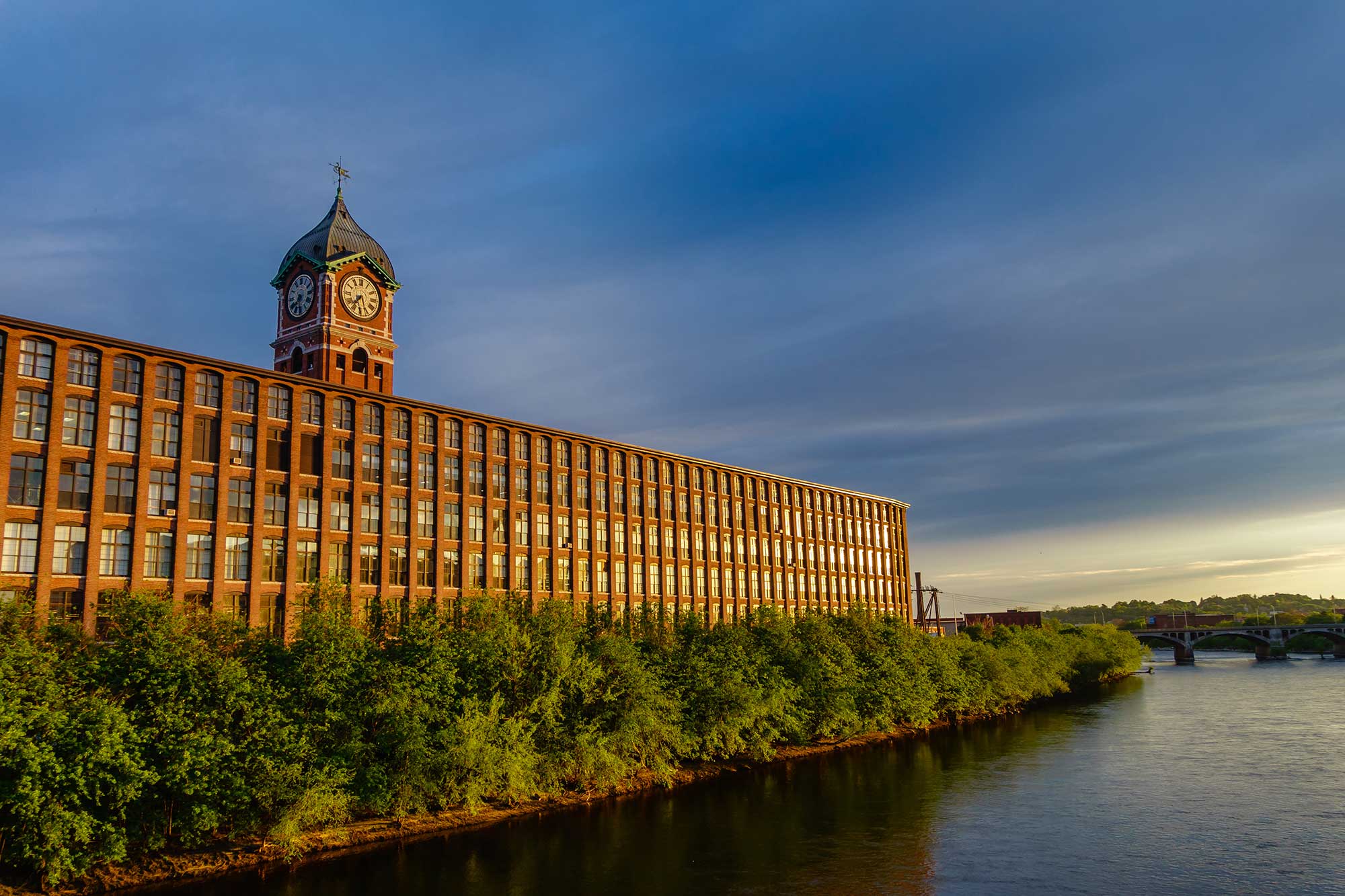
Massachusetts Mills incorporated
Whitney Mills incorporated
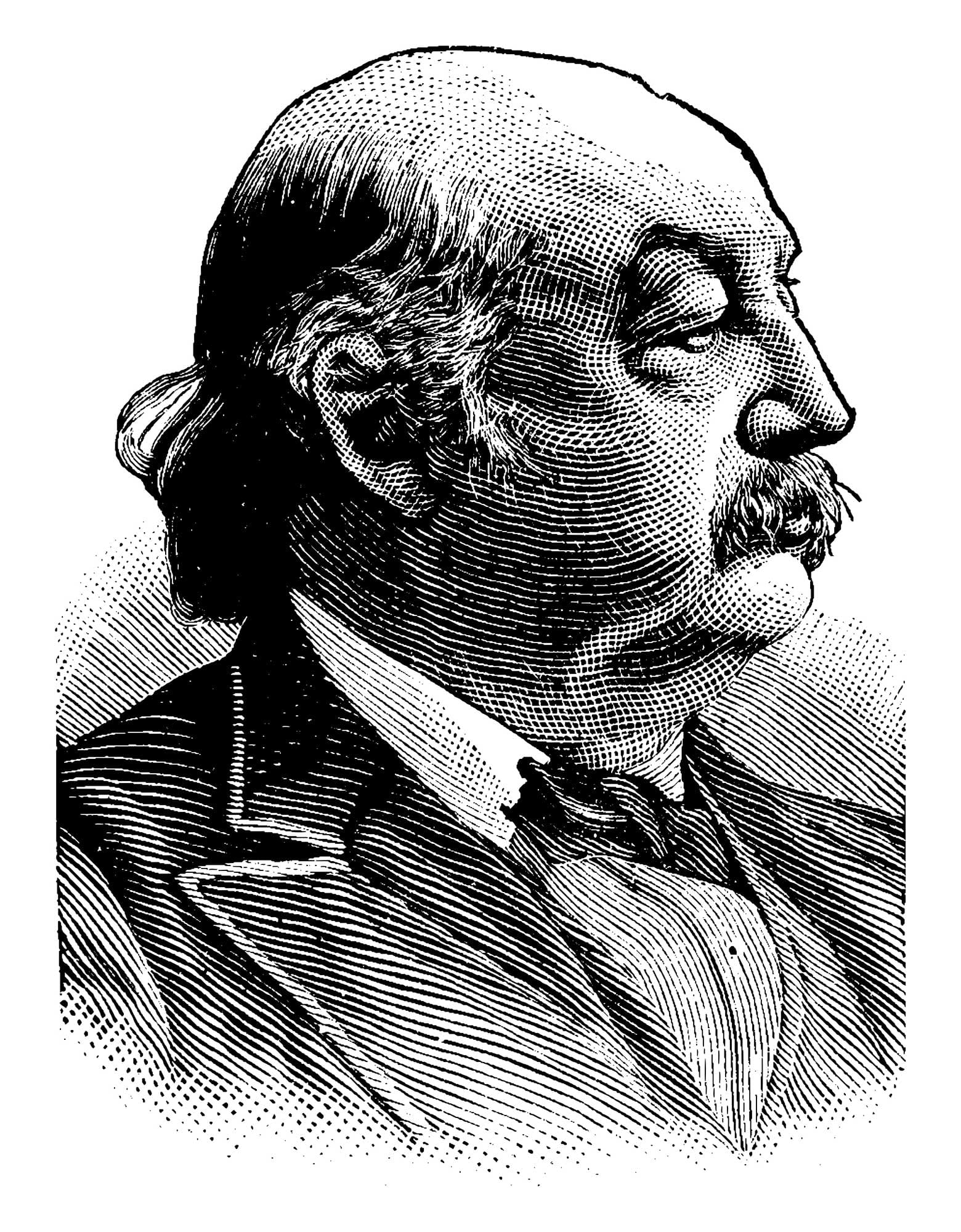
Ben Butler begins his political career
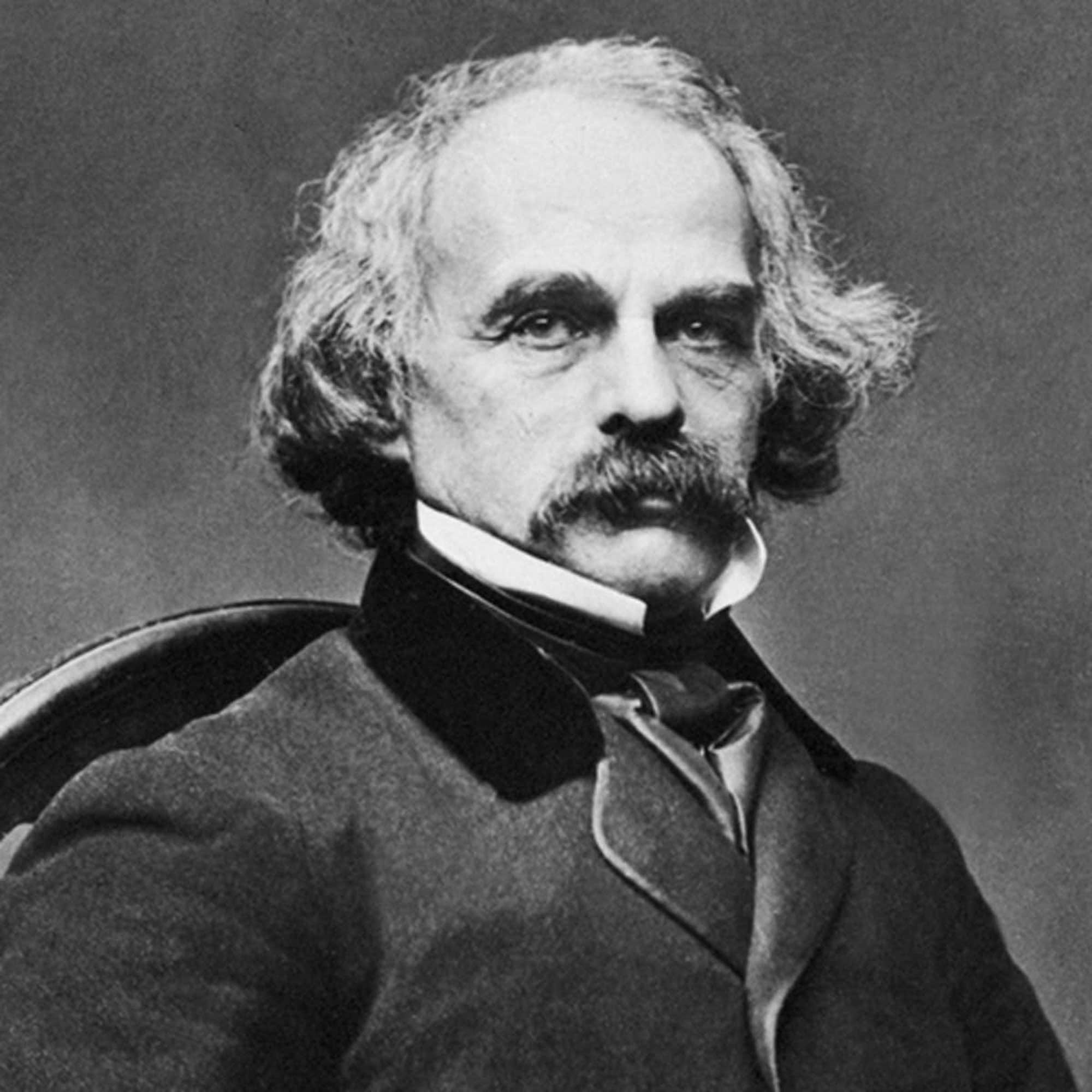
Nathaniel Hawthorne moves to Concord
Charles Dickens visits Lowell
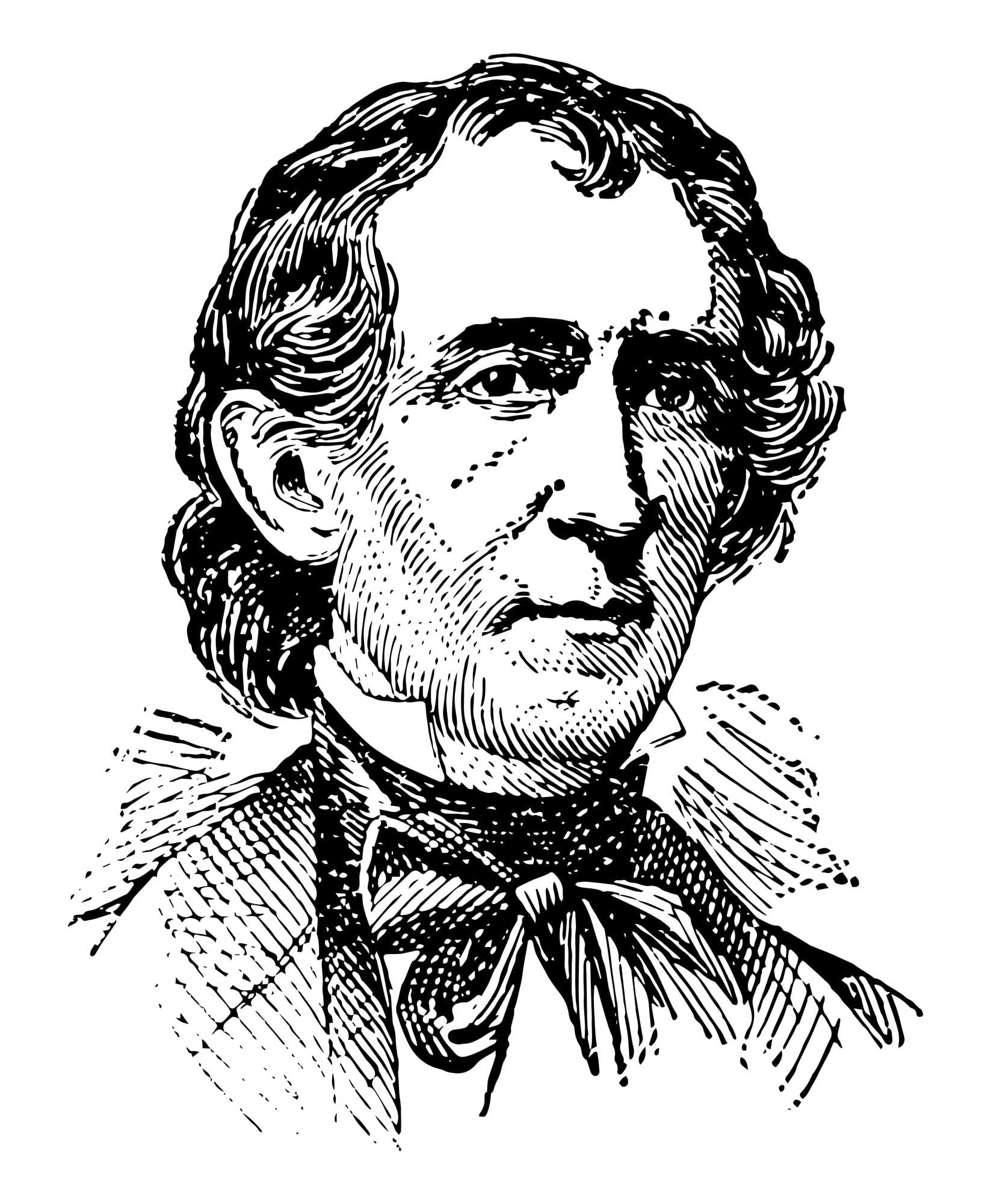
Establishment of Dr. J. C. Ayer's laboratory in Lowell
President Tyler visits Lowell
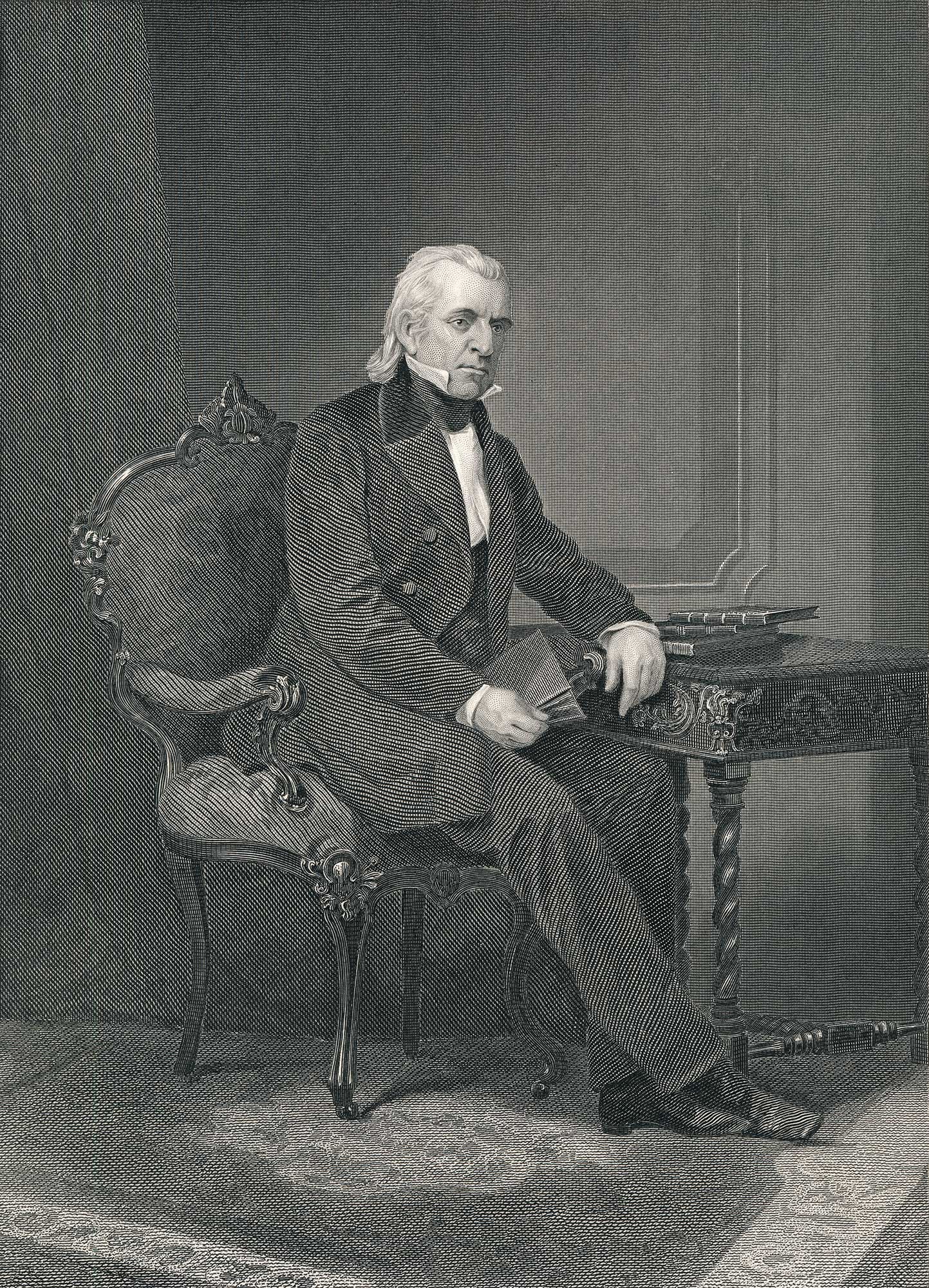
President Polk visits Lowell
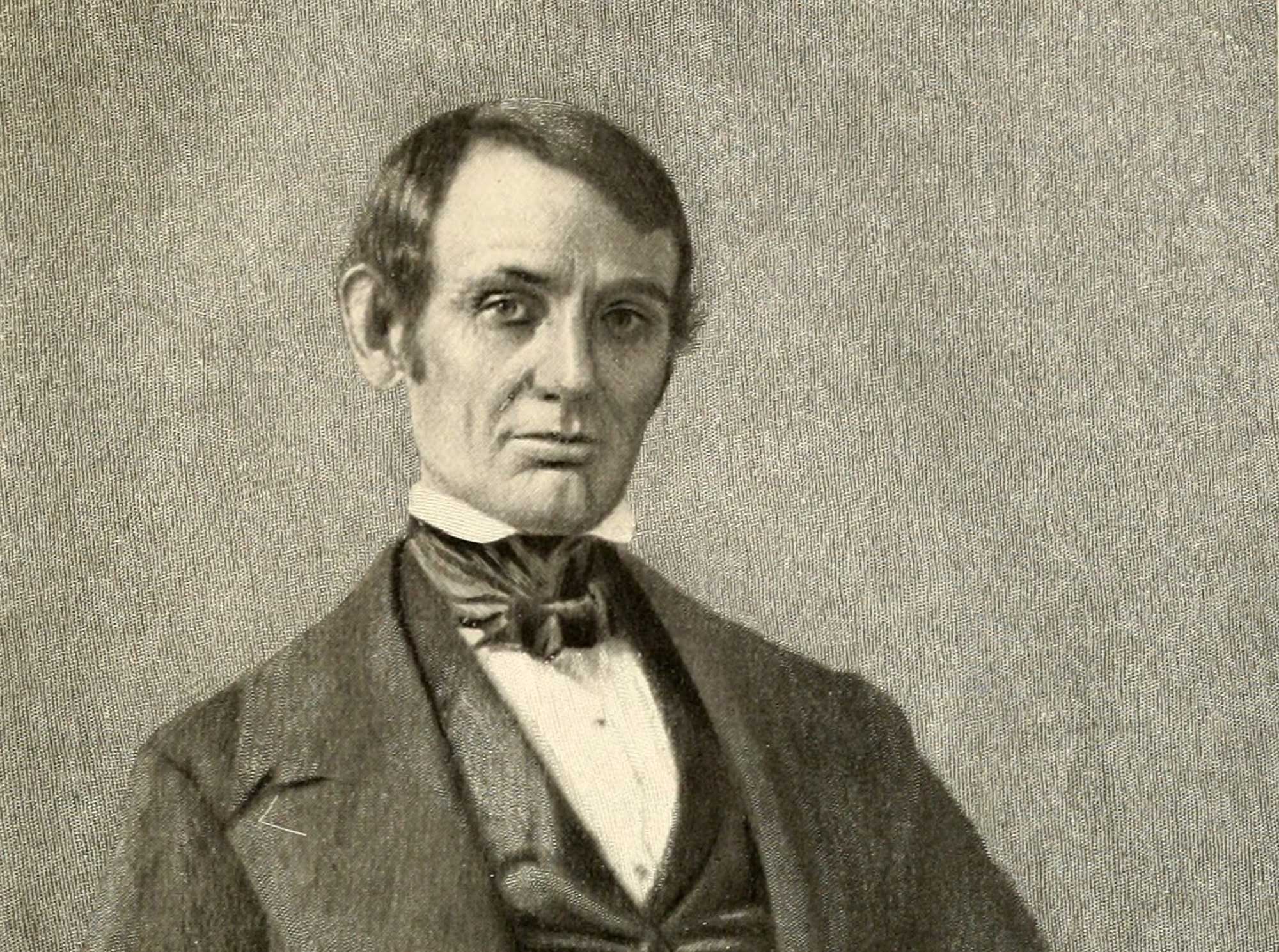
Abraham Lincoln visits Lowell
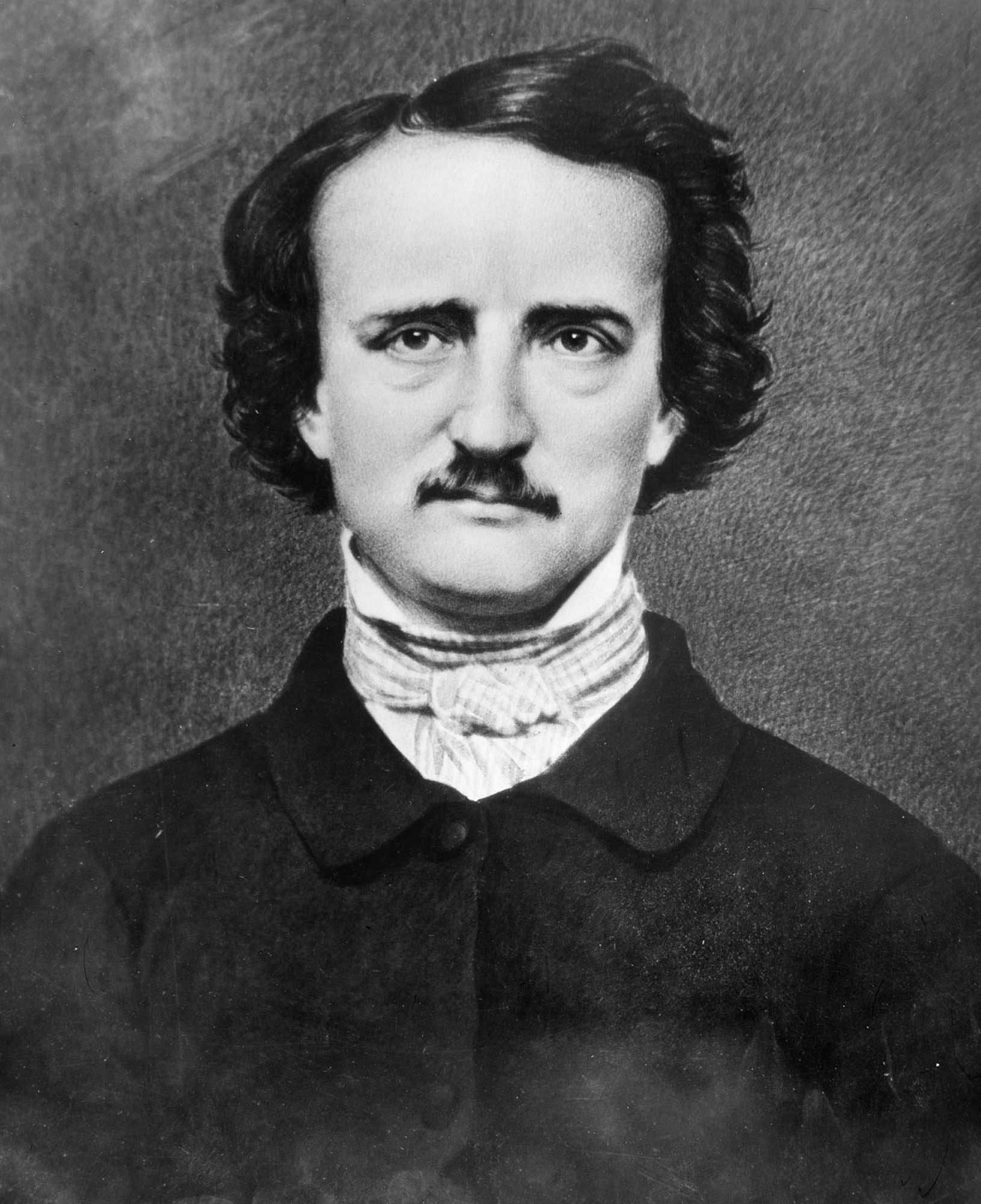
Edgar Allen Poe attends poetry lecture in Lowell
Largest Industrial Center
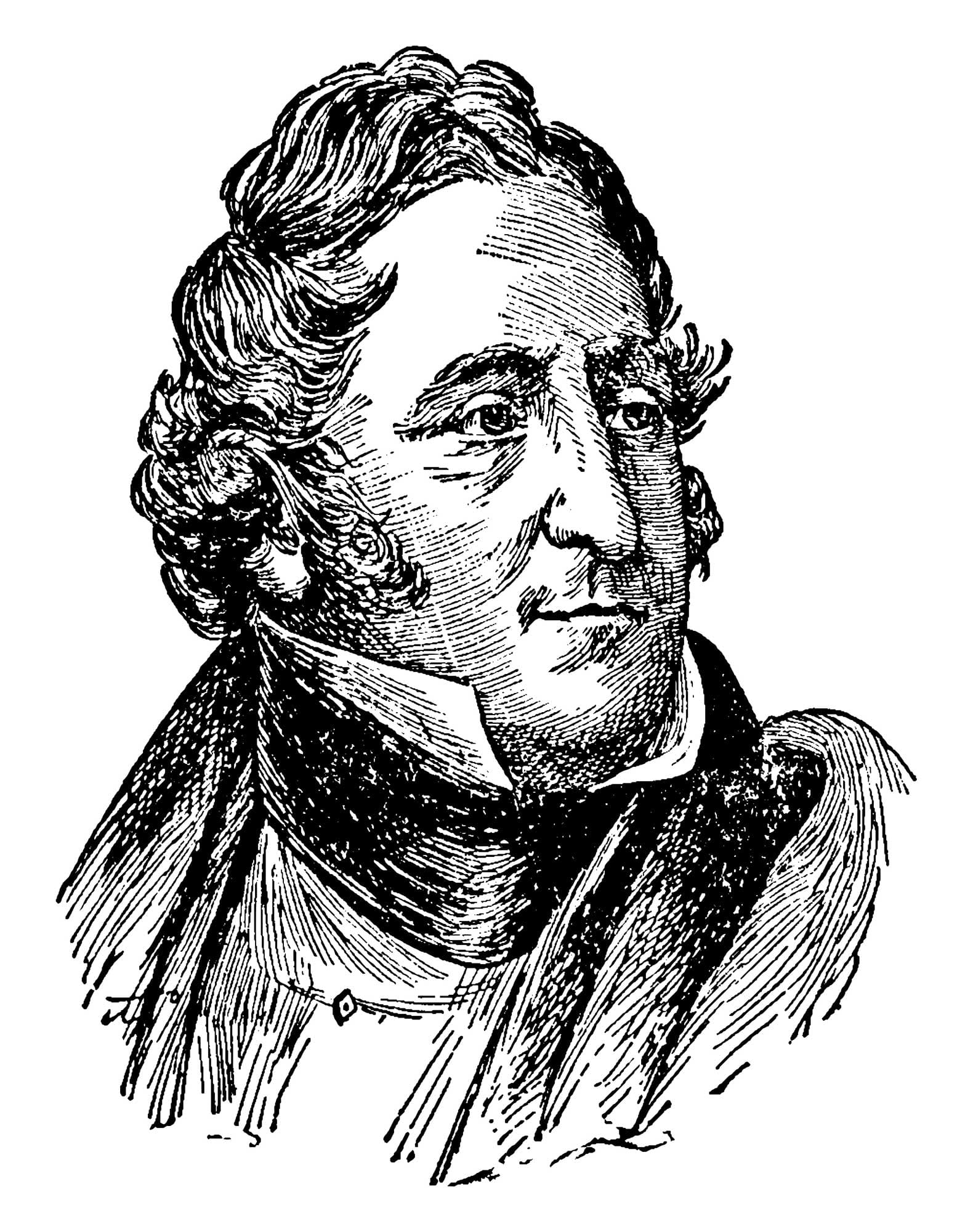
Thomas H Benton visits Lowell
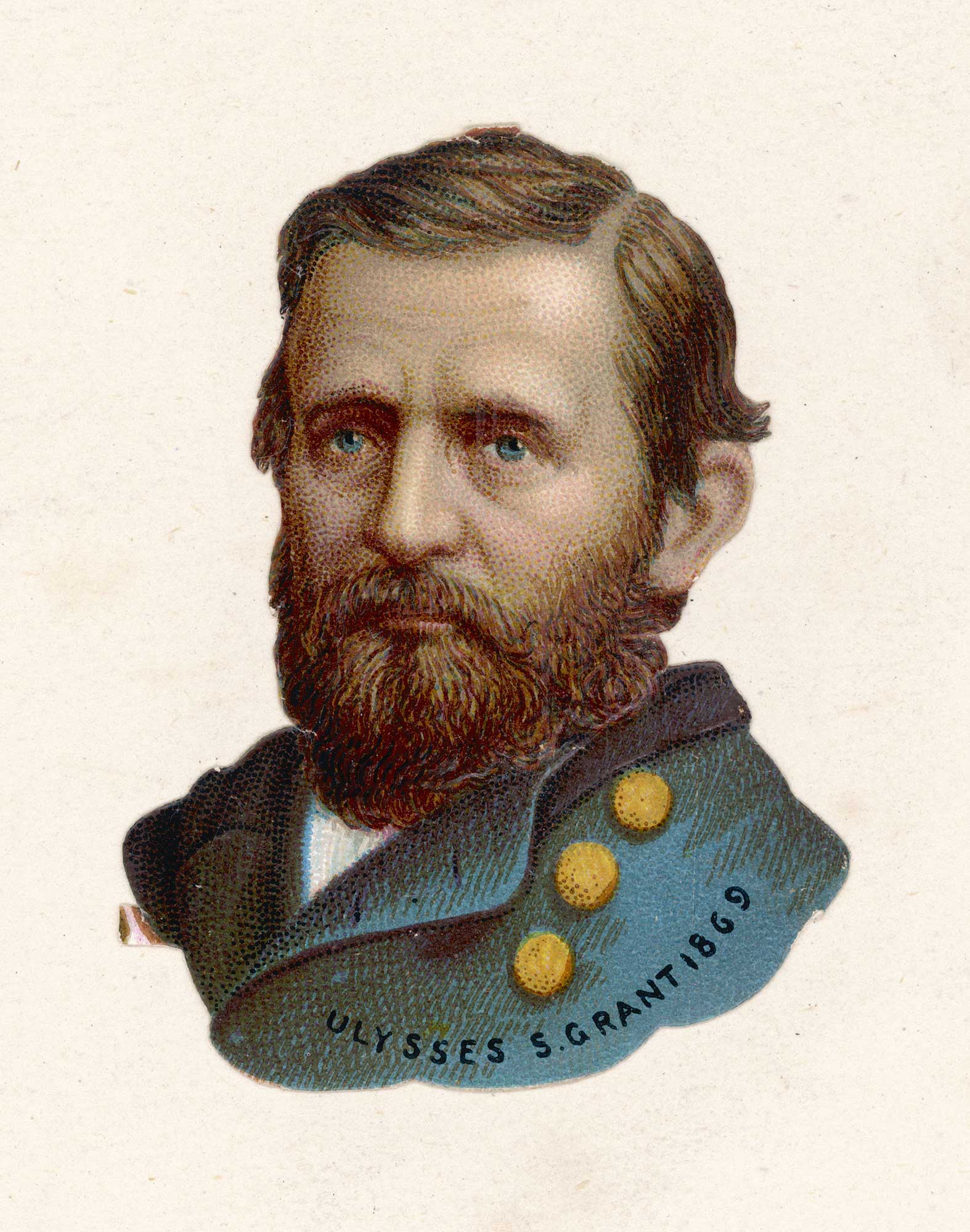
General Ulysses S. Grant visits Lowell
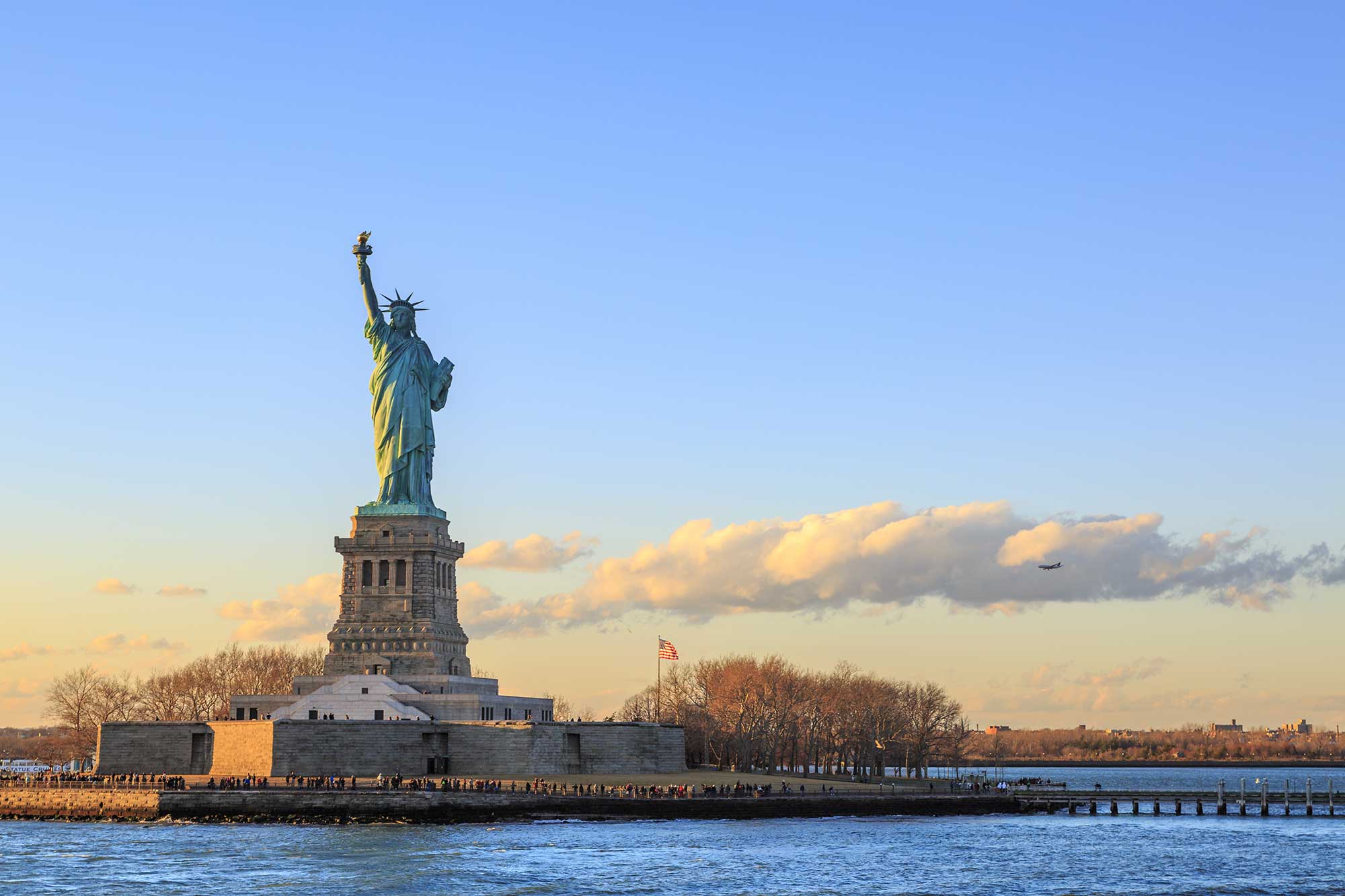
Statue of Liberty is dedicated; stairs built by Lowell Company.
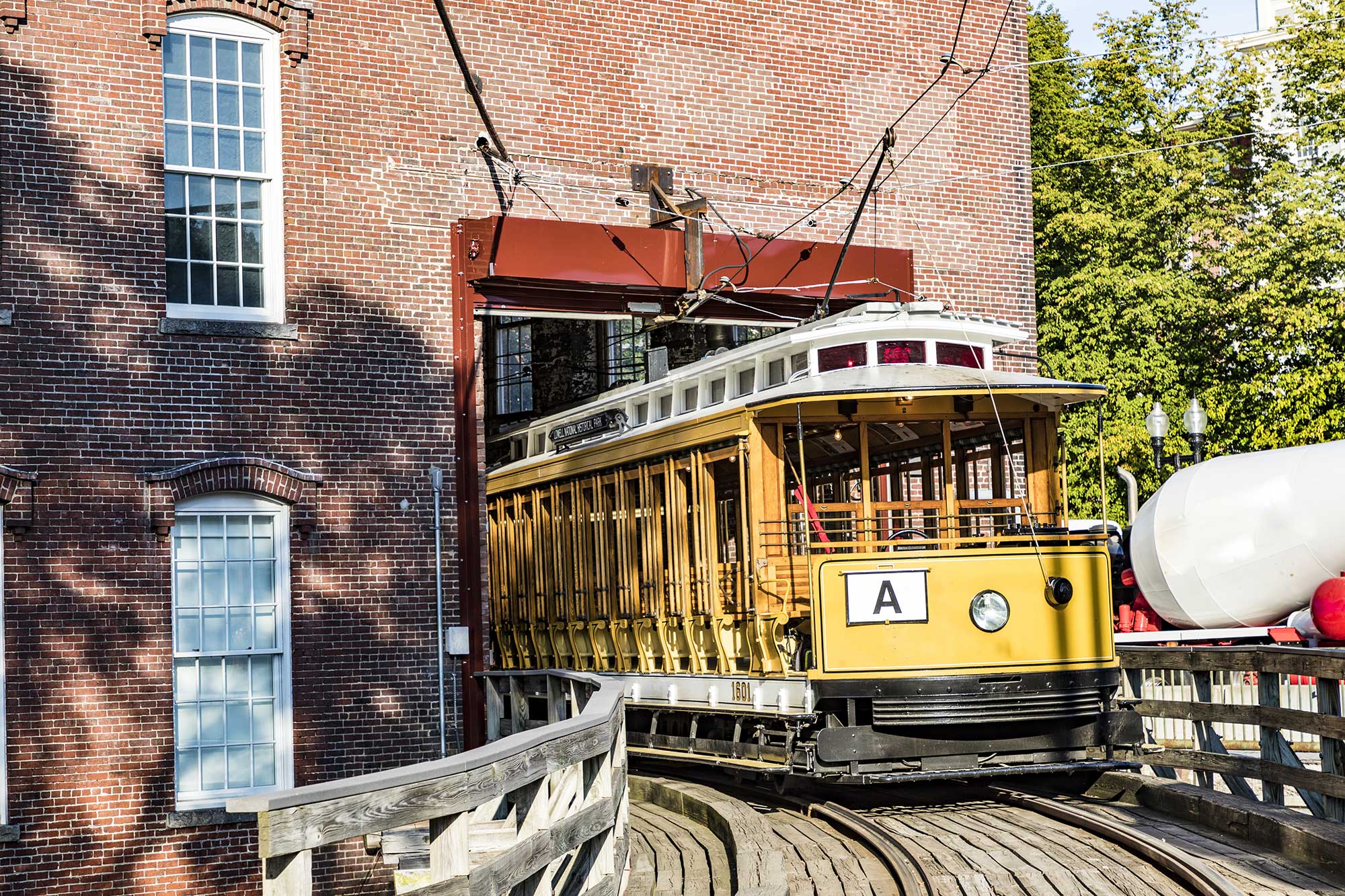
Lowell and Dracut Street Railway Company chartered
Whittier Cotton Mills incorporated
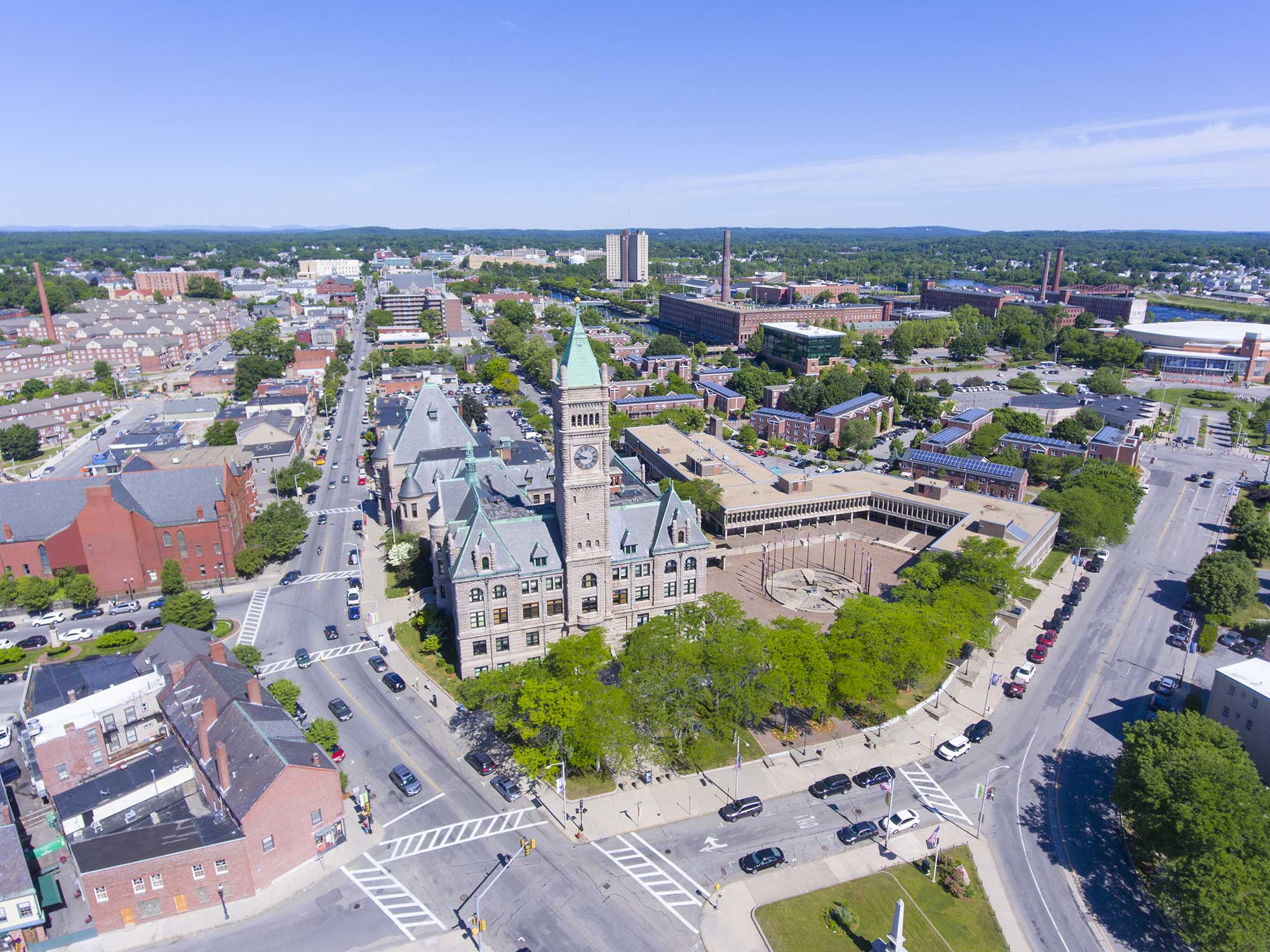
Lowell City Hall dedicated
Electric Trolley System in Lowell completed
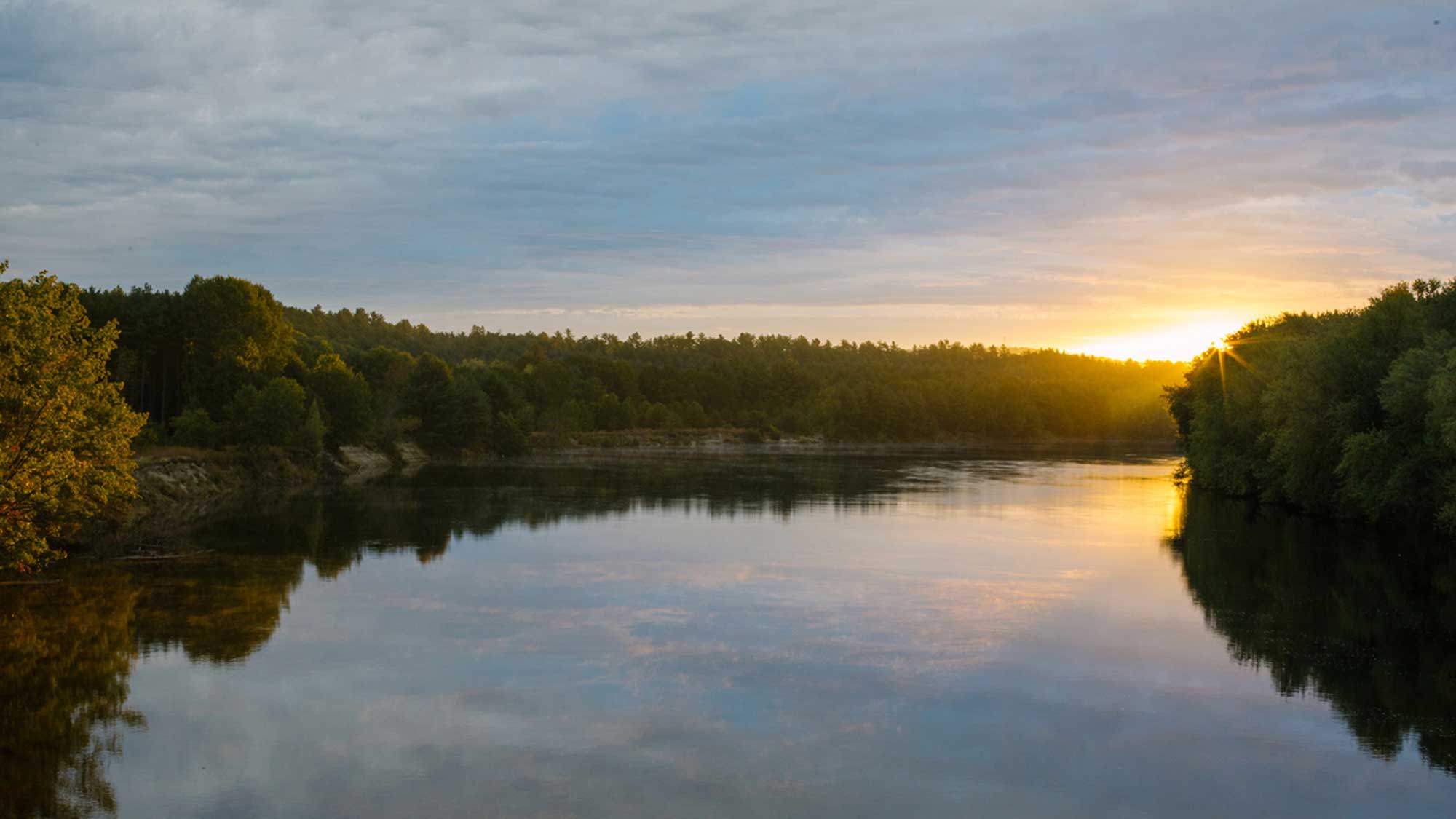
Merrimack River overflows its banks
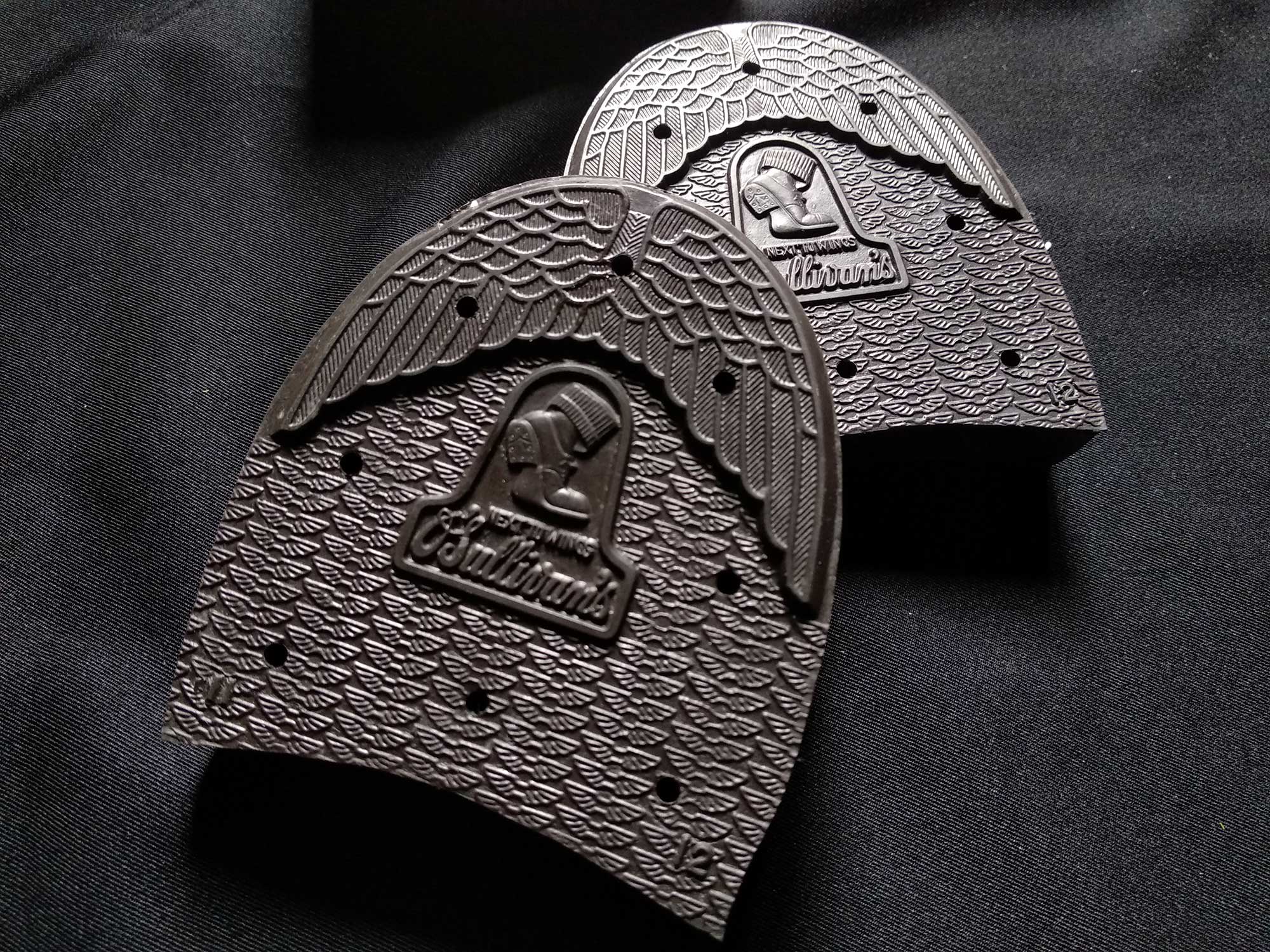
O'Sullivan Rubber Company started
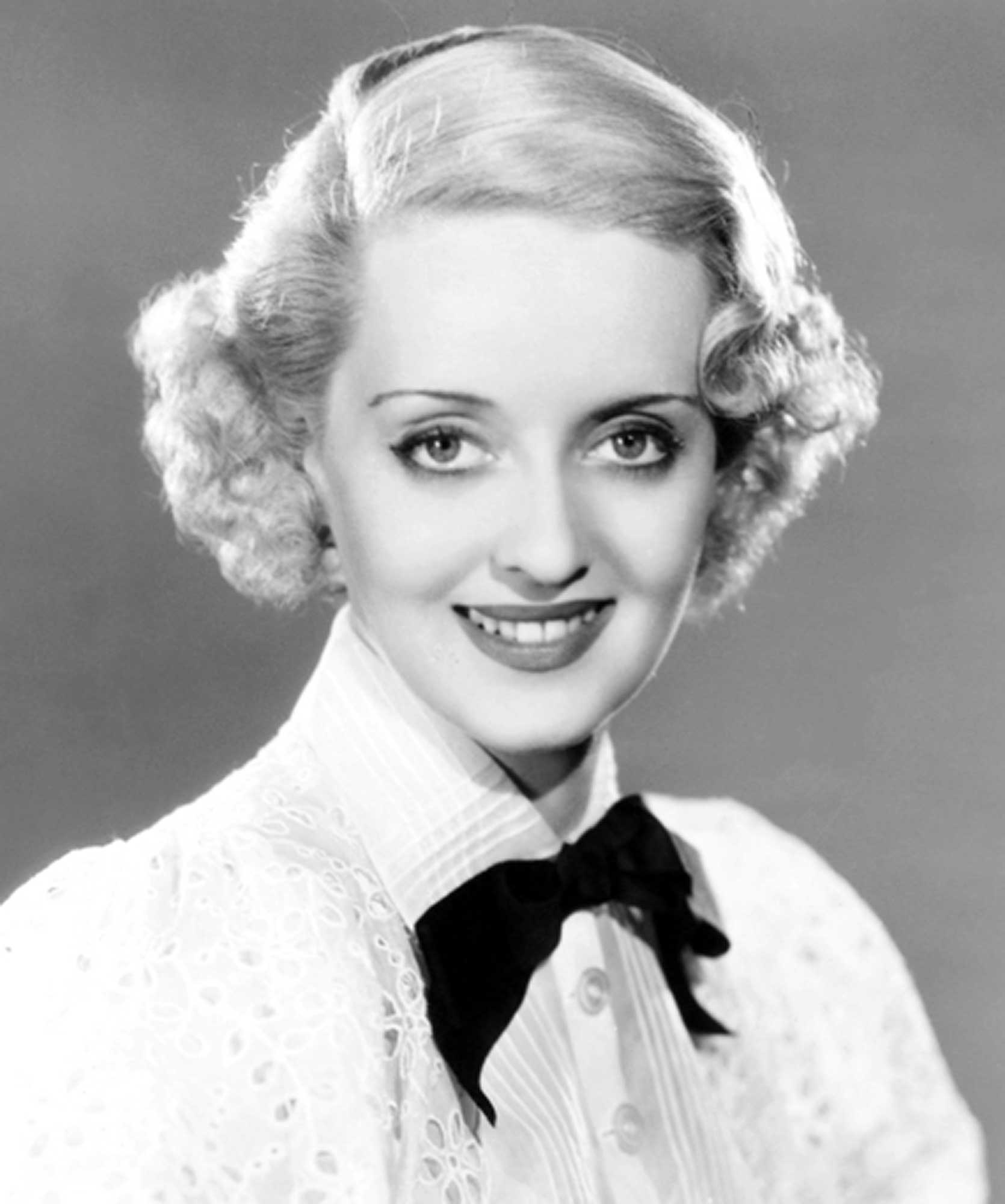
Bette Davis is born in Lowell
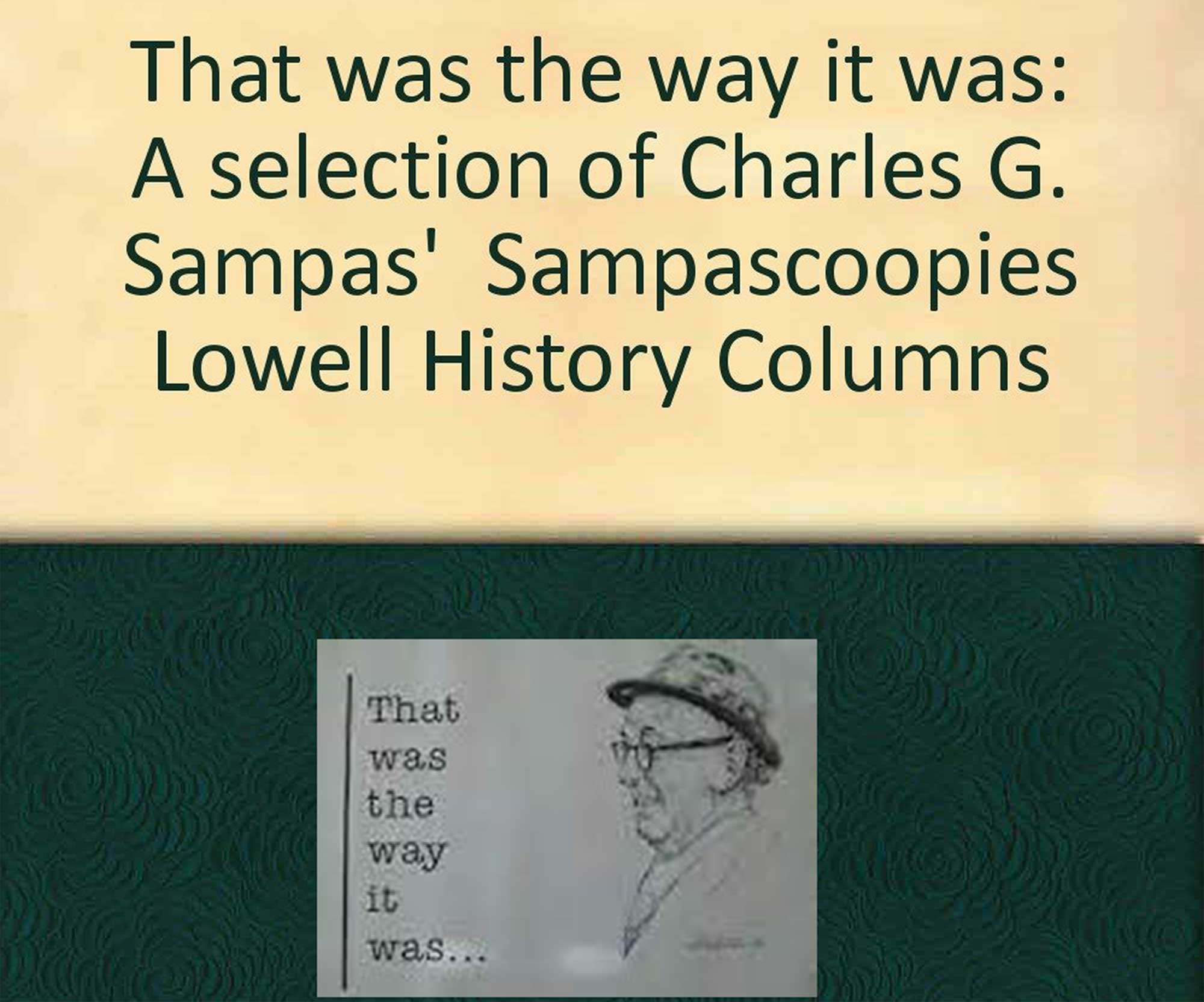
Charles G. Sampas born in Lowell
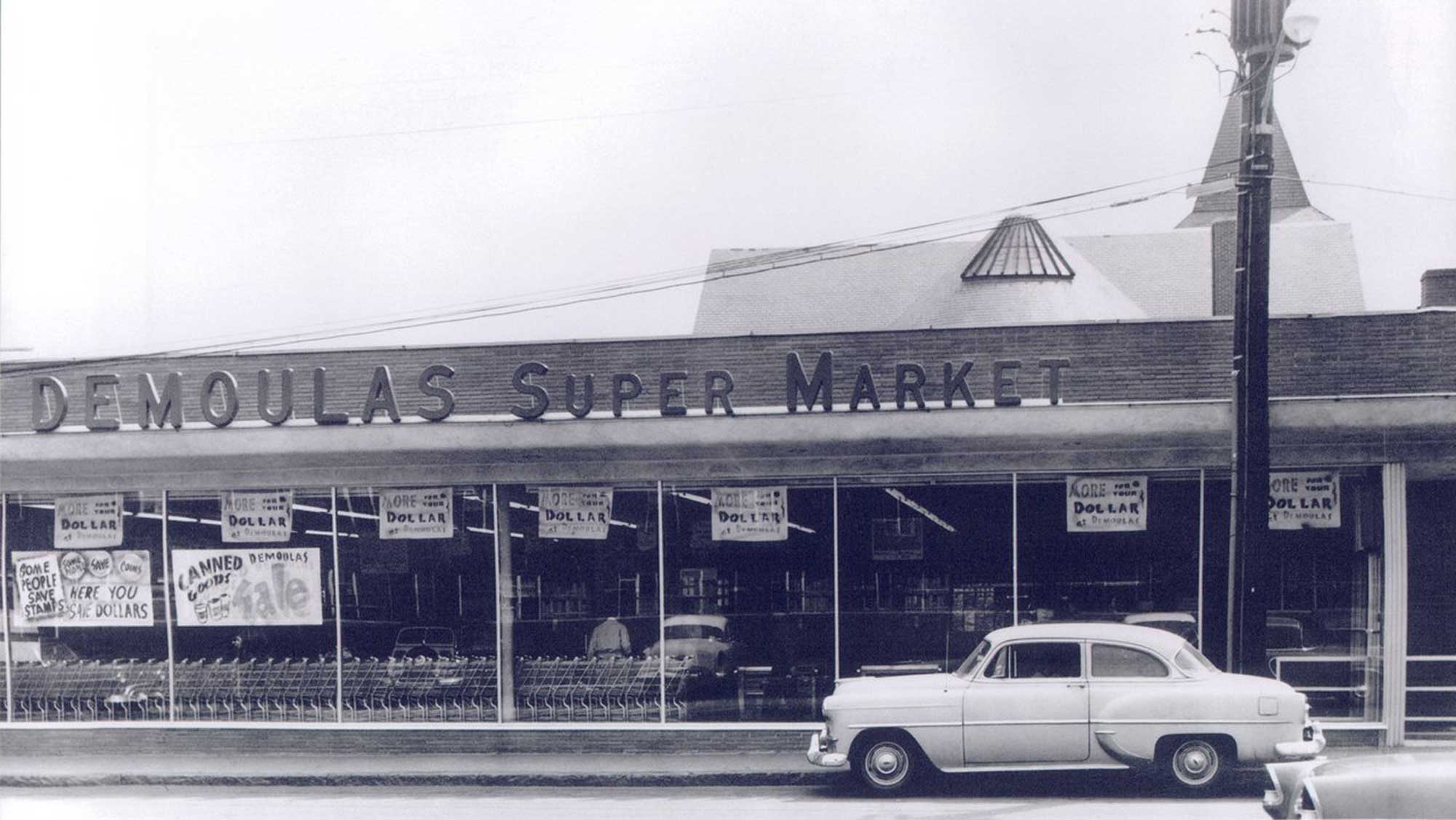
Demoulas Supermarkets founded
Lowell Memorial Auditorium dedicated by Vice President and future president Calvin Coolidge
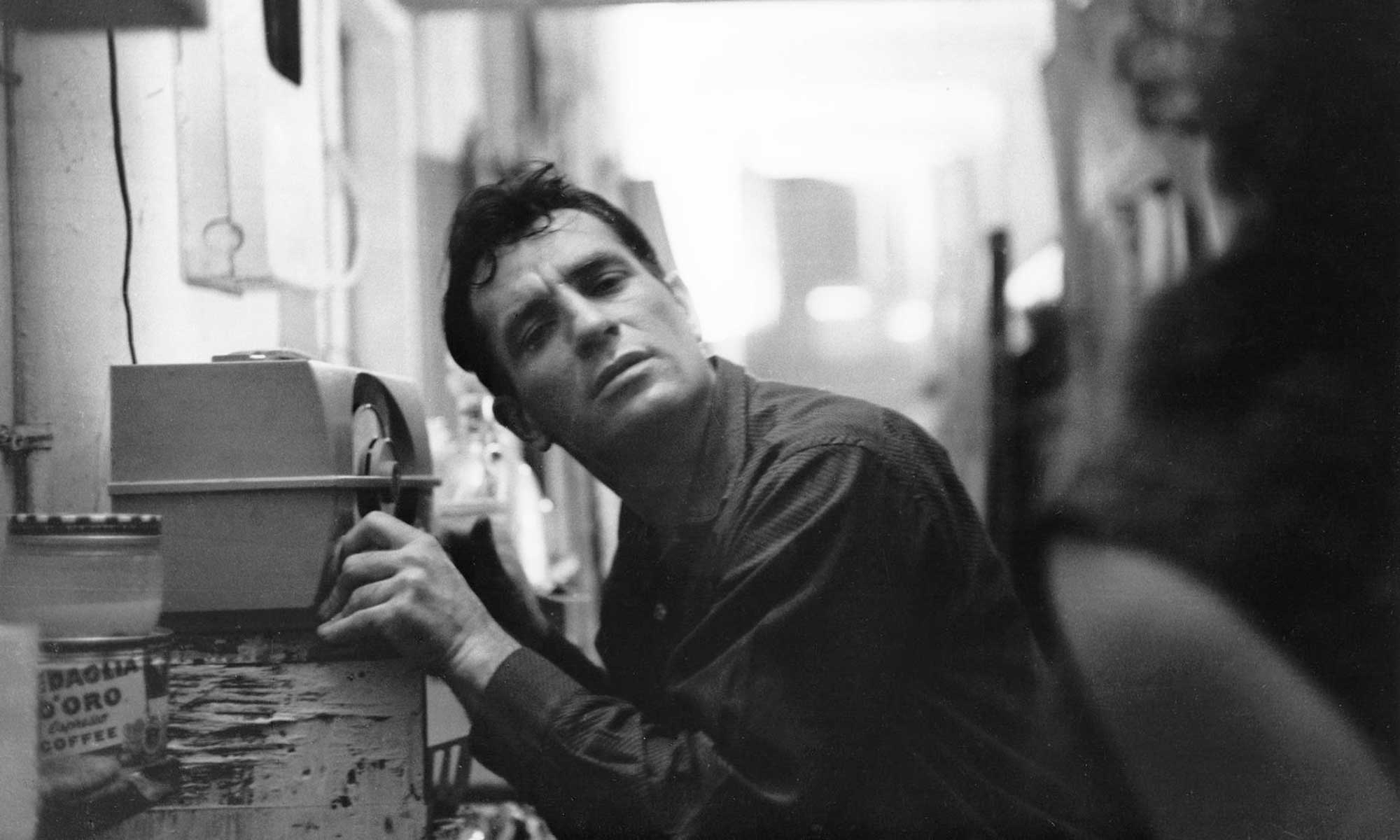
Jack Kerouac is born in Lowell
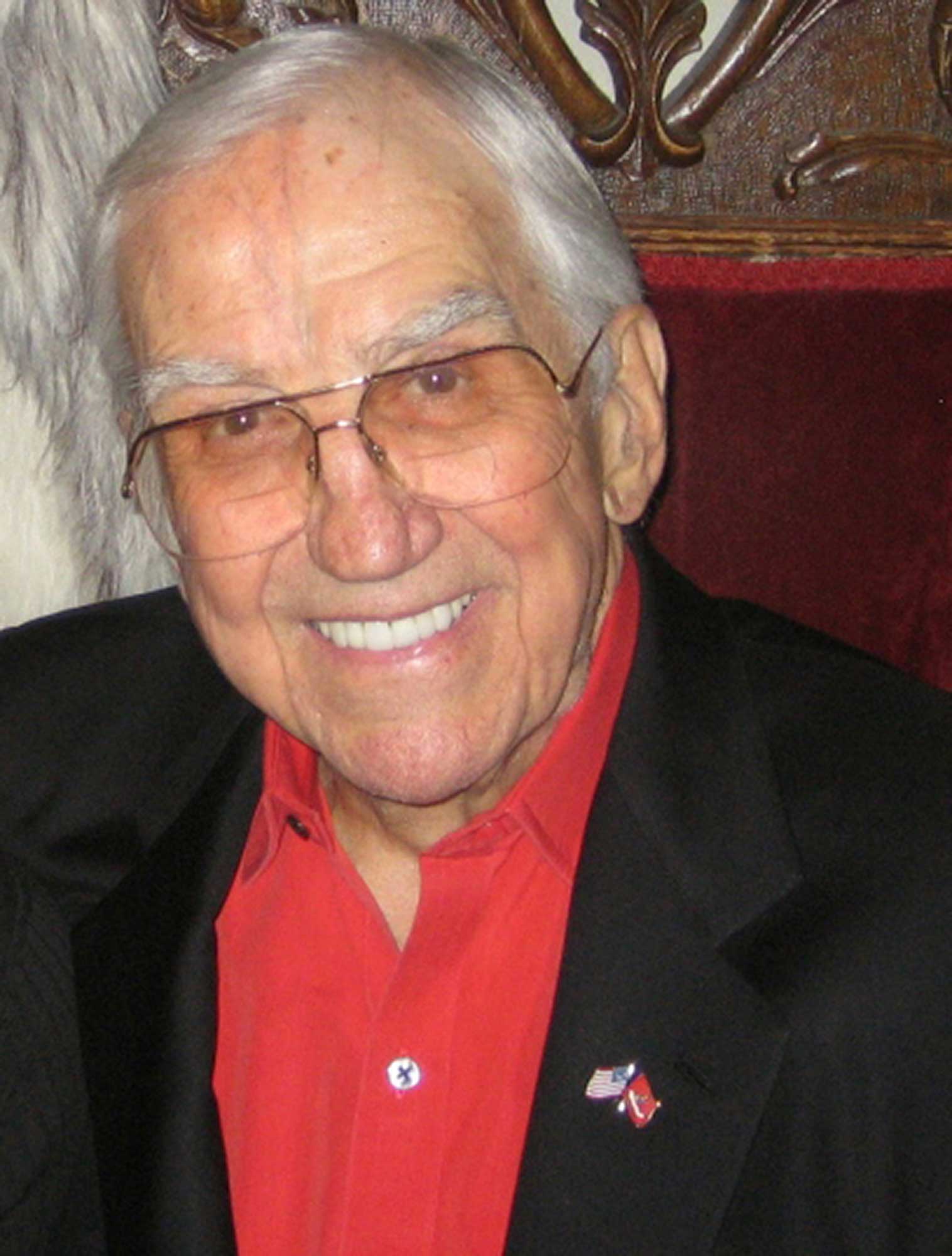
Ed McMahon is born in Lowell
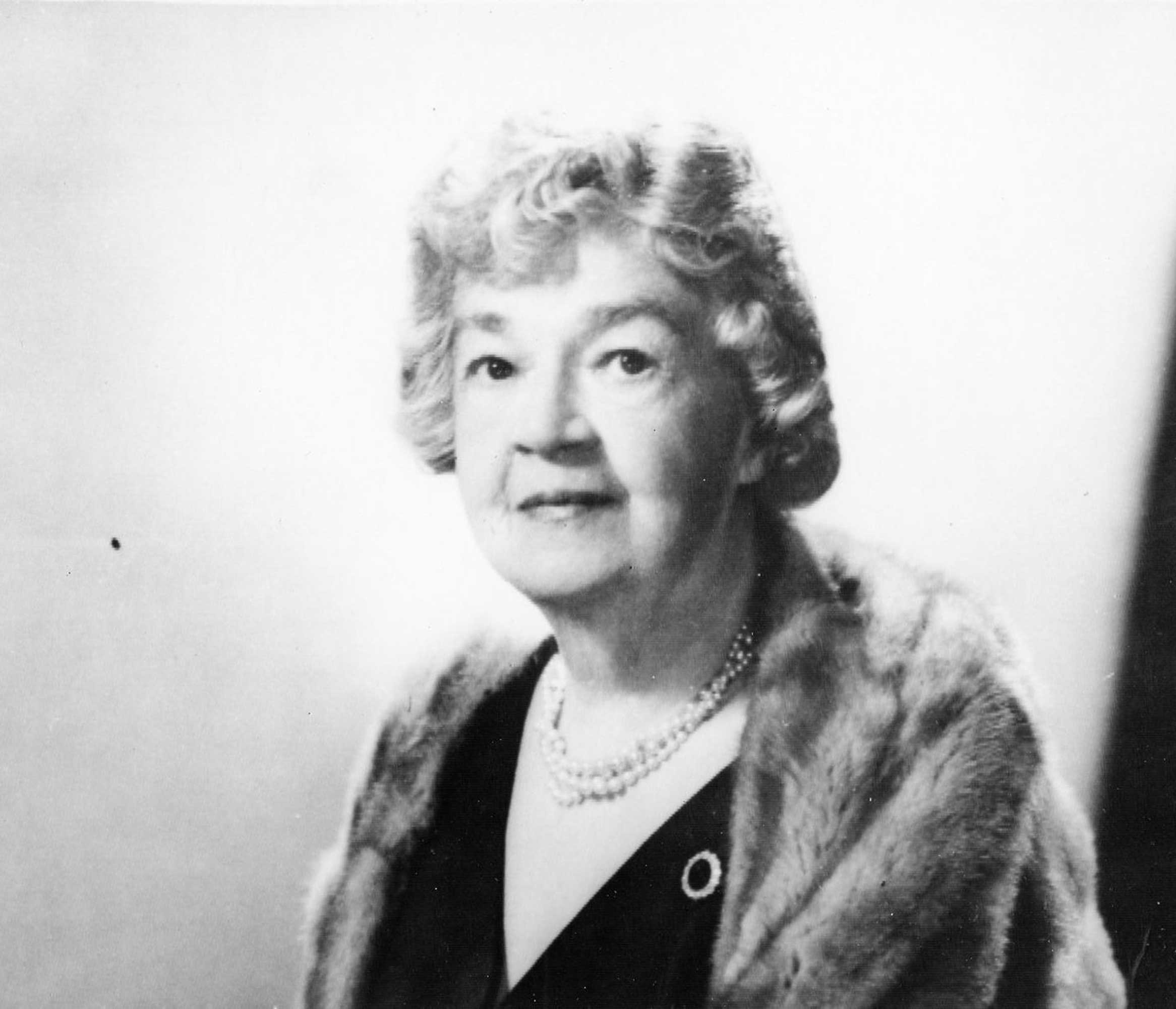
Edith Nourse Rogers takes over as Representative after her husband dies
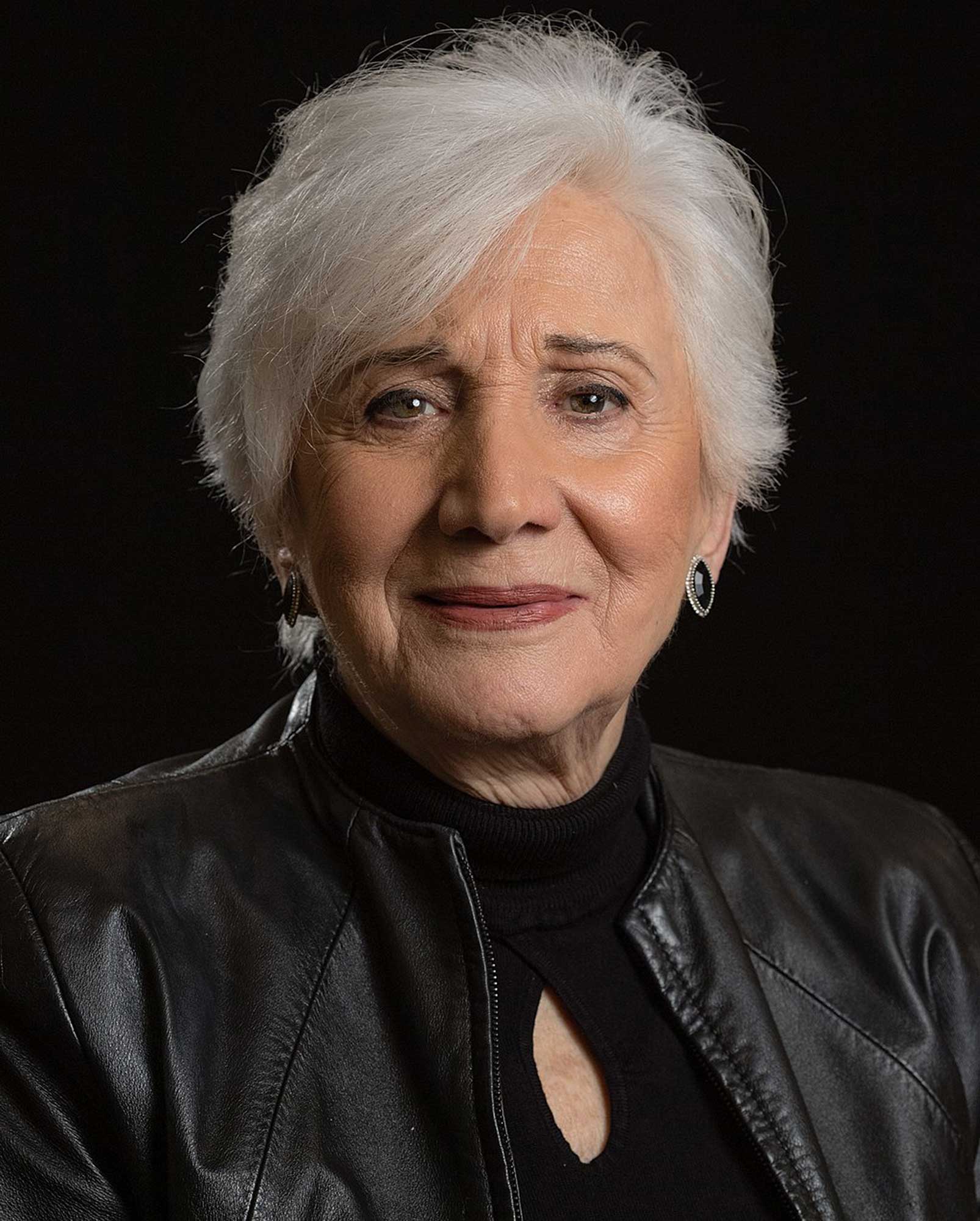
Olympia Dukakis is born in Lowell
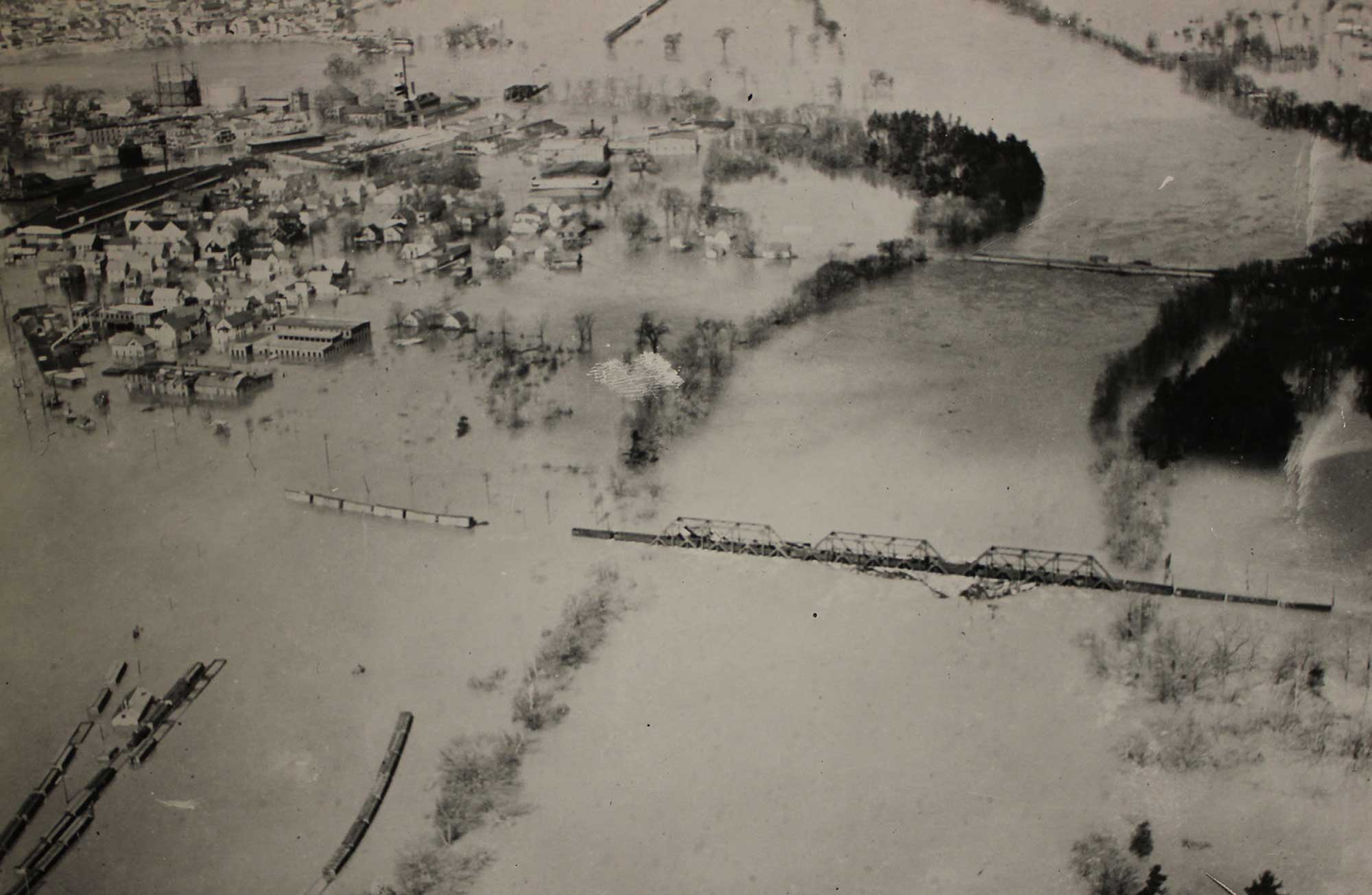
Great flood of 1936
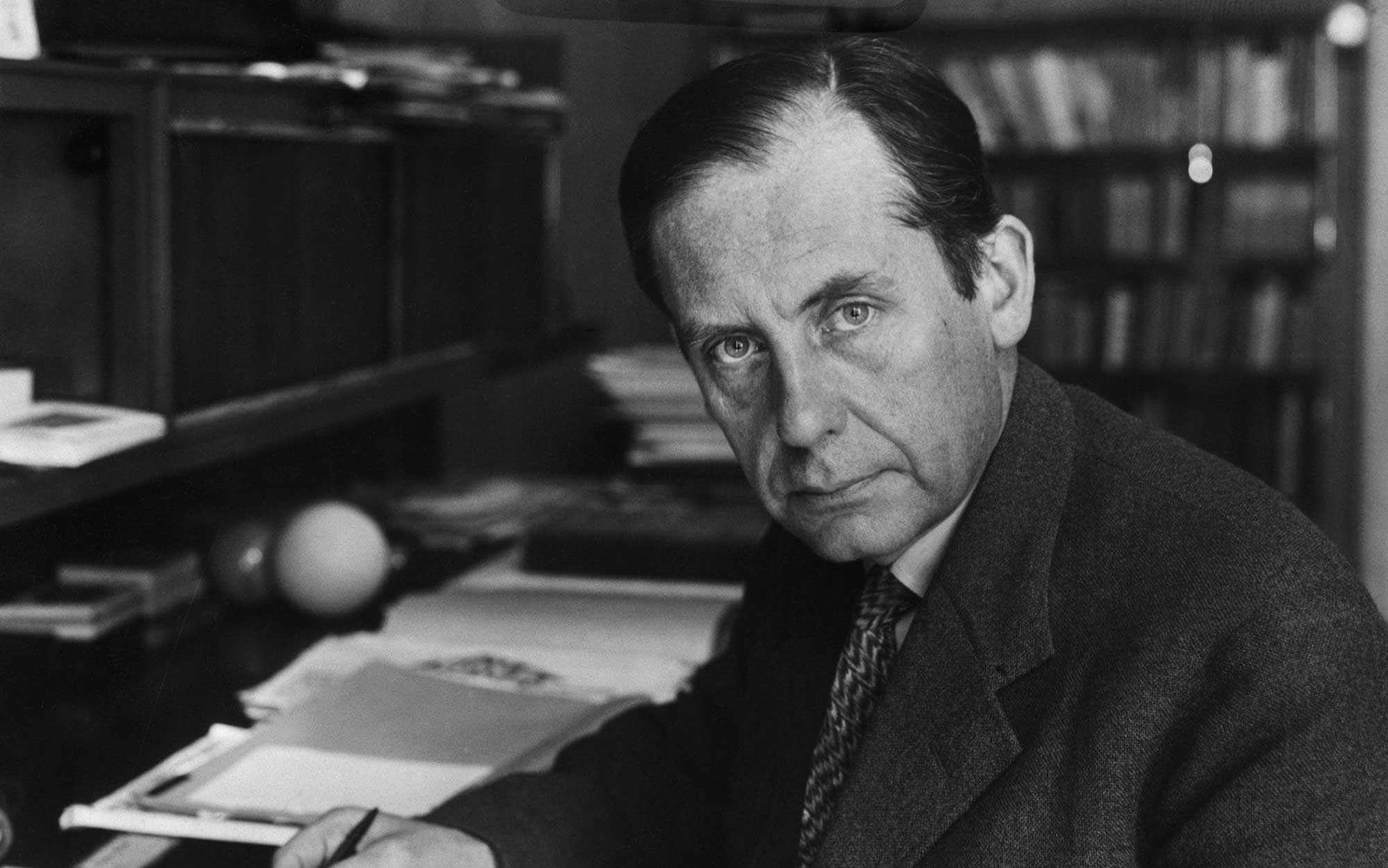
Walter Gropius moves to Lincoln
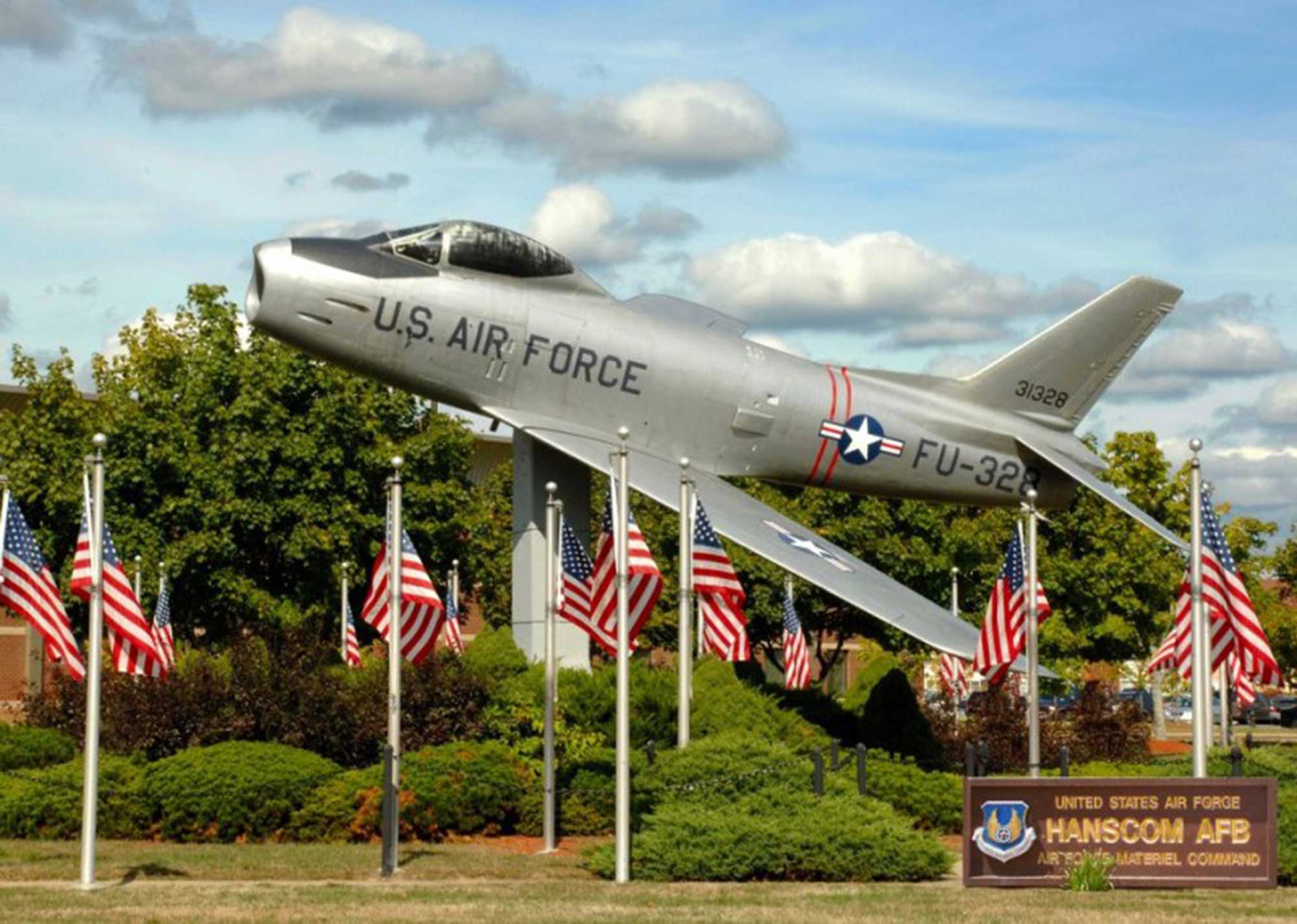
Hanscom Air Force Base built in Bedford
Paul Tsongas is born in Lowell
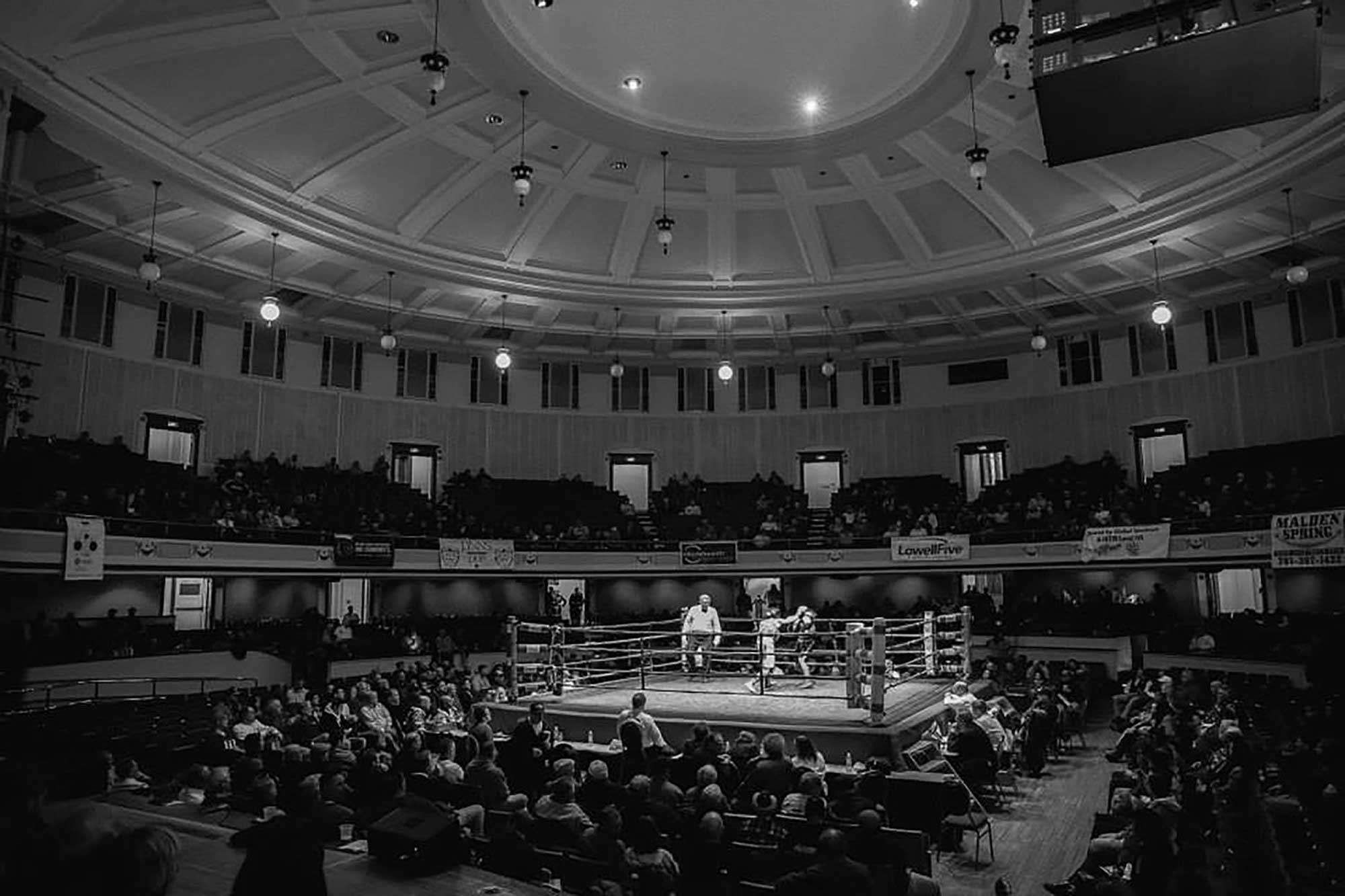
Golden Gloves in Lowell begin
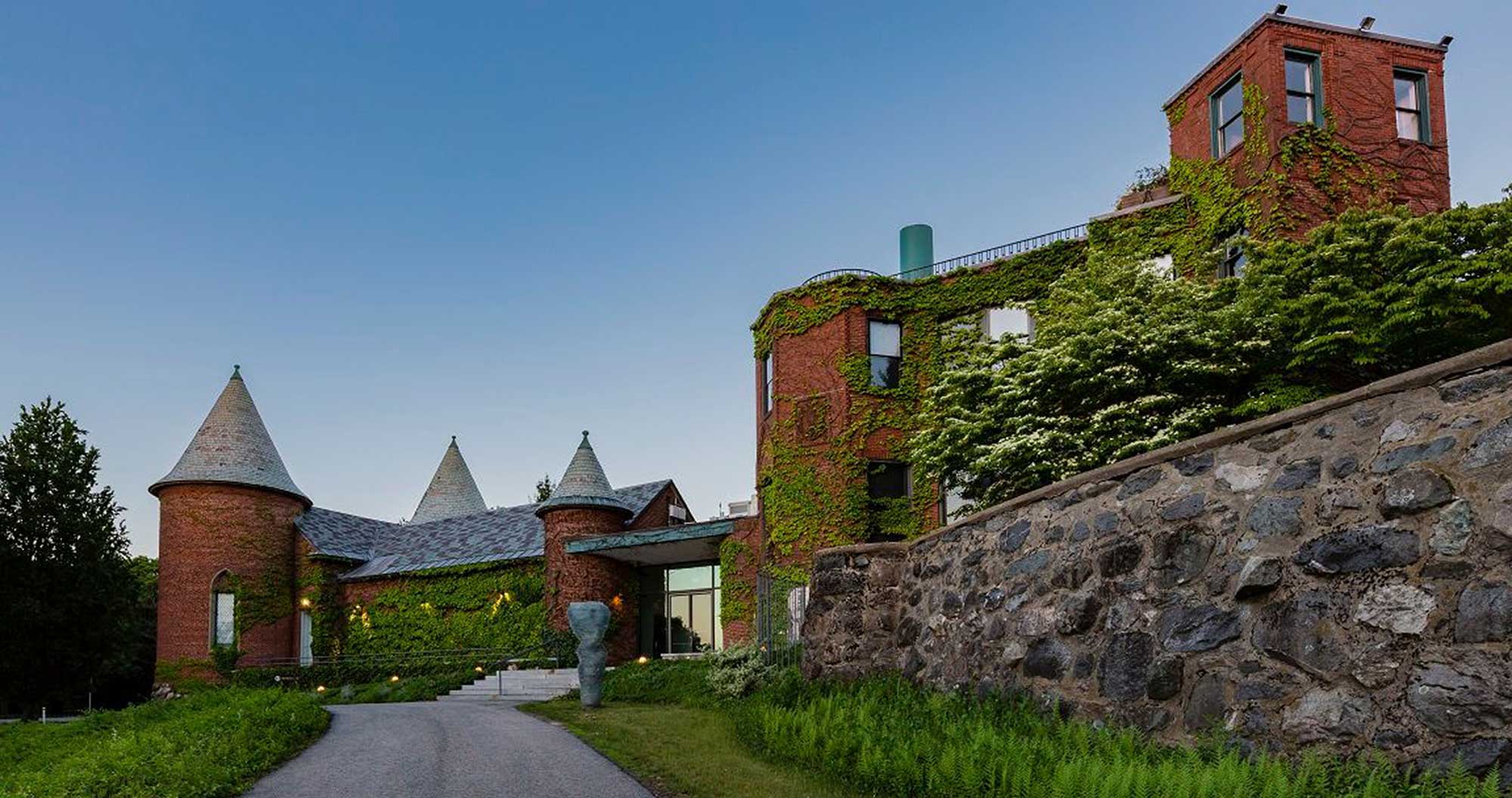
deCordova Sculpture Park and Museum established in Lincoln
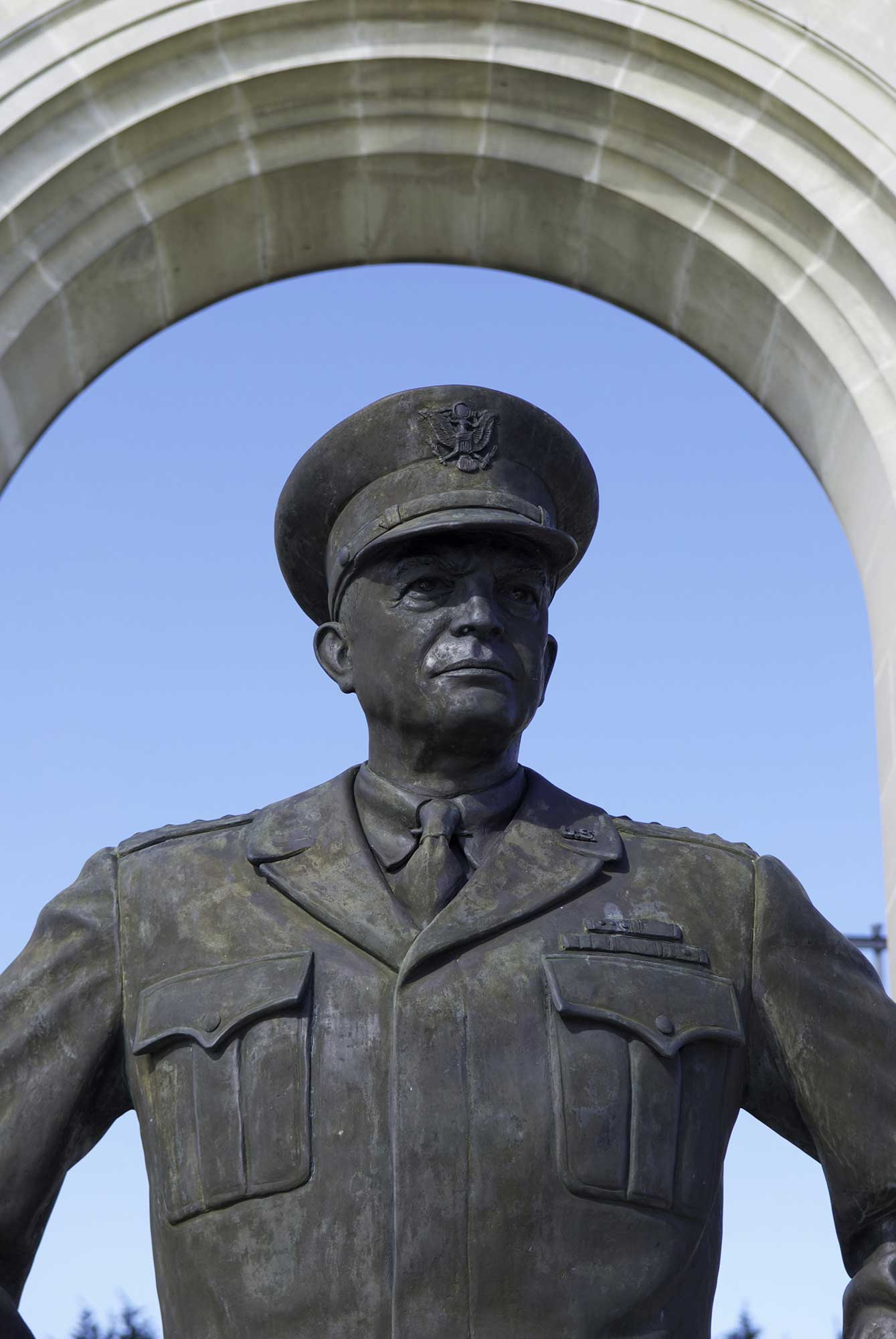
Dwight Eisenhower visits Lowell
John Ogonowski born in Lowell
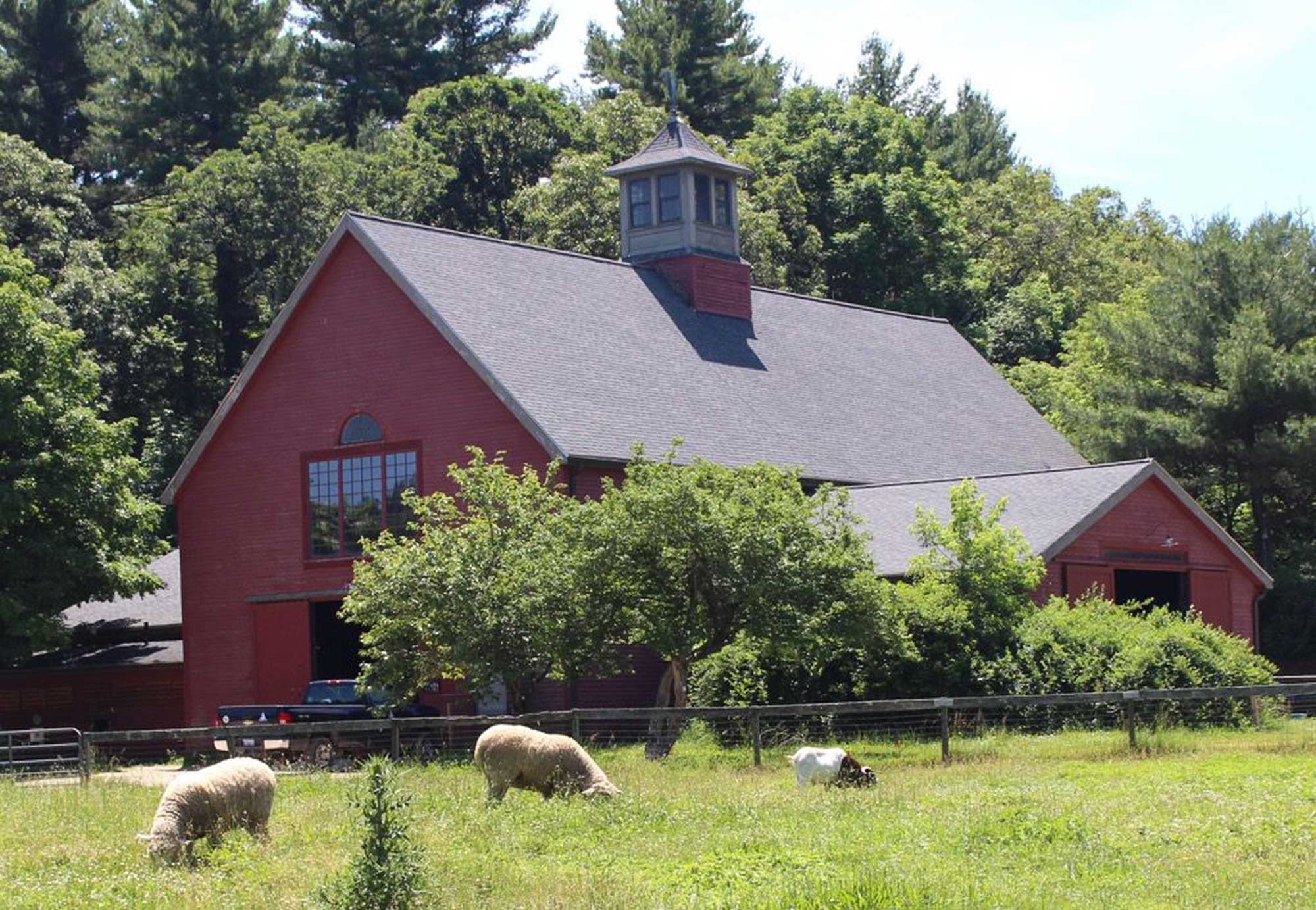
Drumlin Farm in Lincoln becomes wildlife sanctuary
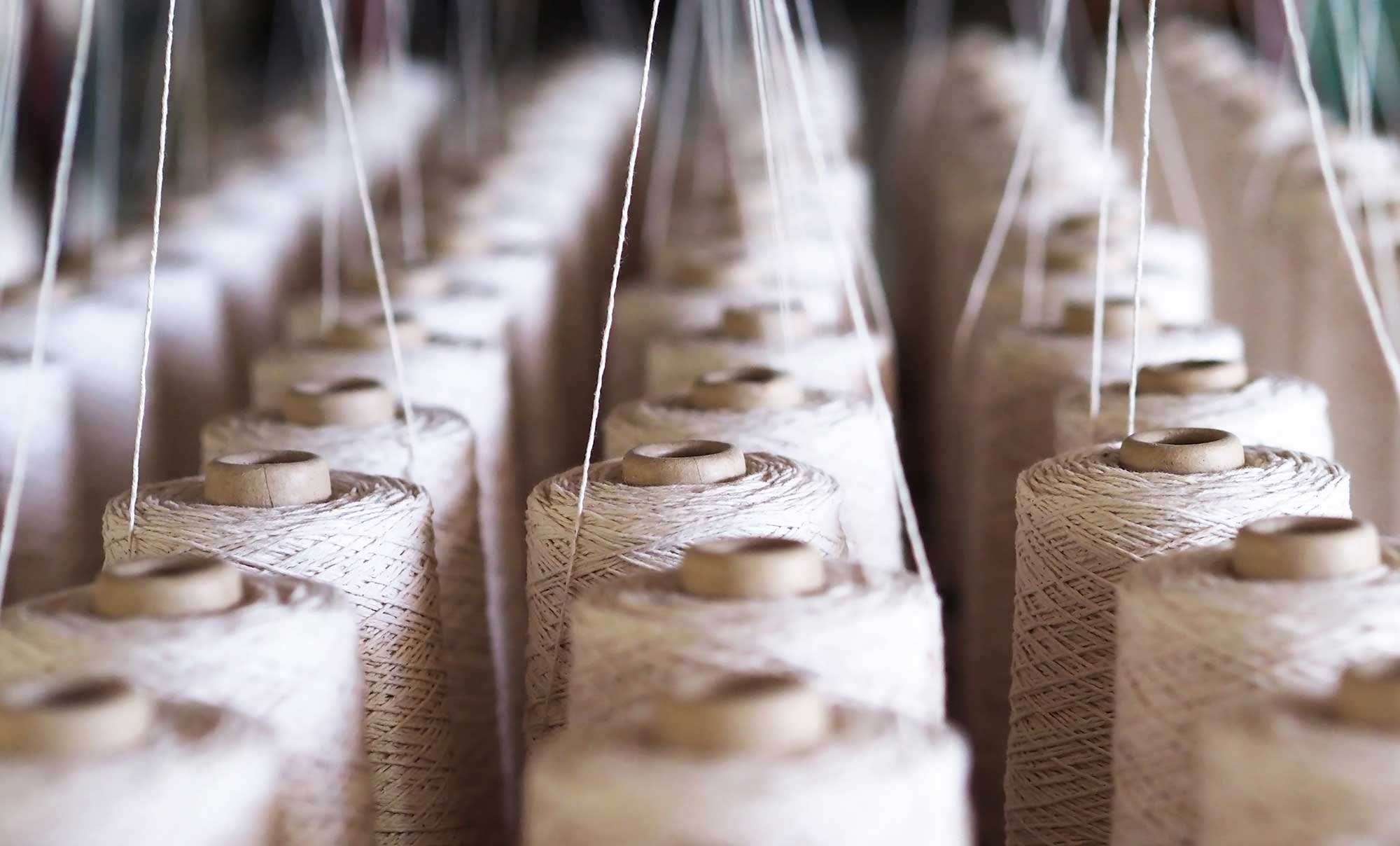
Joan Fabrics opens in Lowell
Richard Michael Linnehan born in Lowell
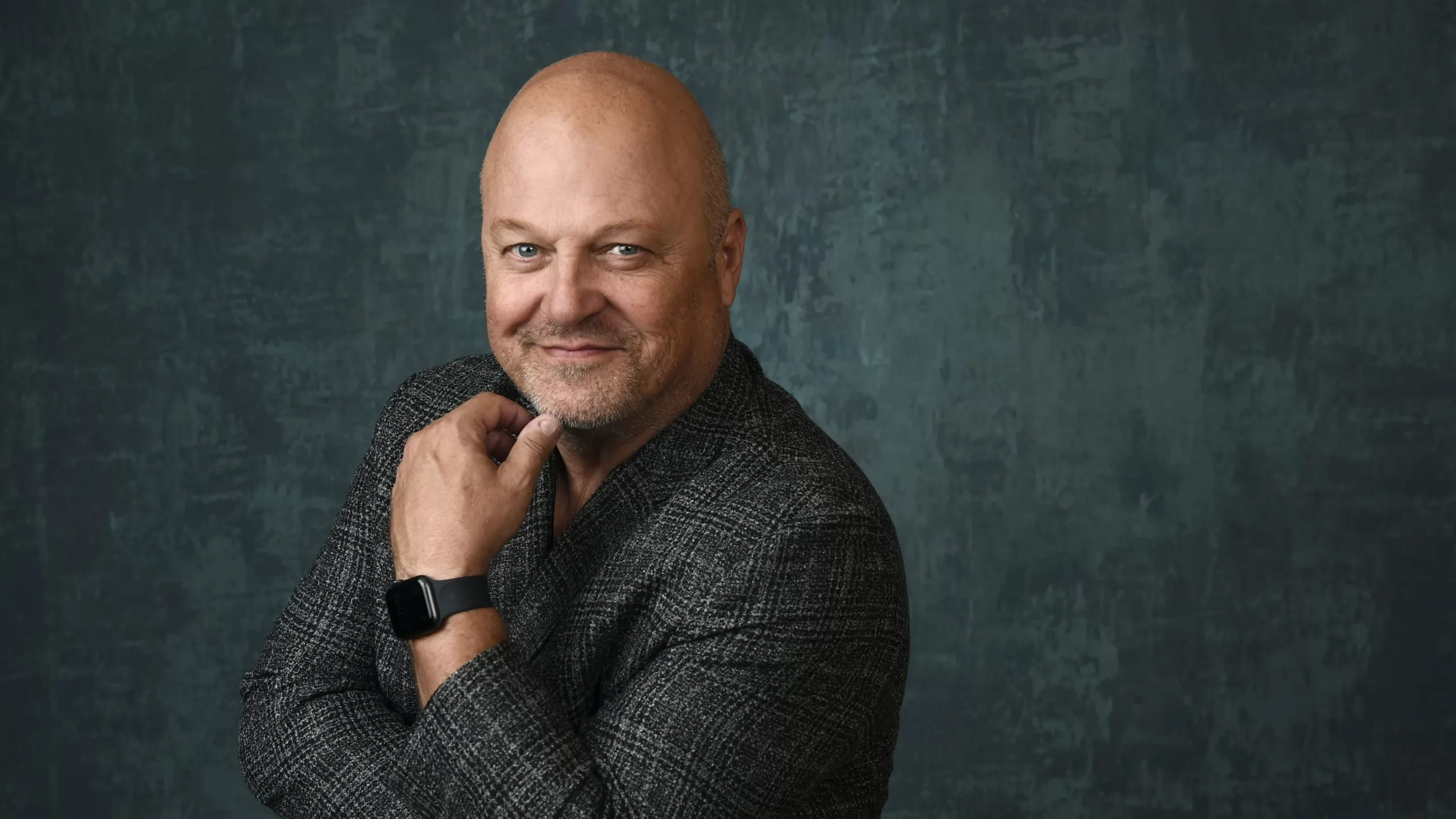
Michael Chiklis born in Lowell
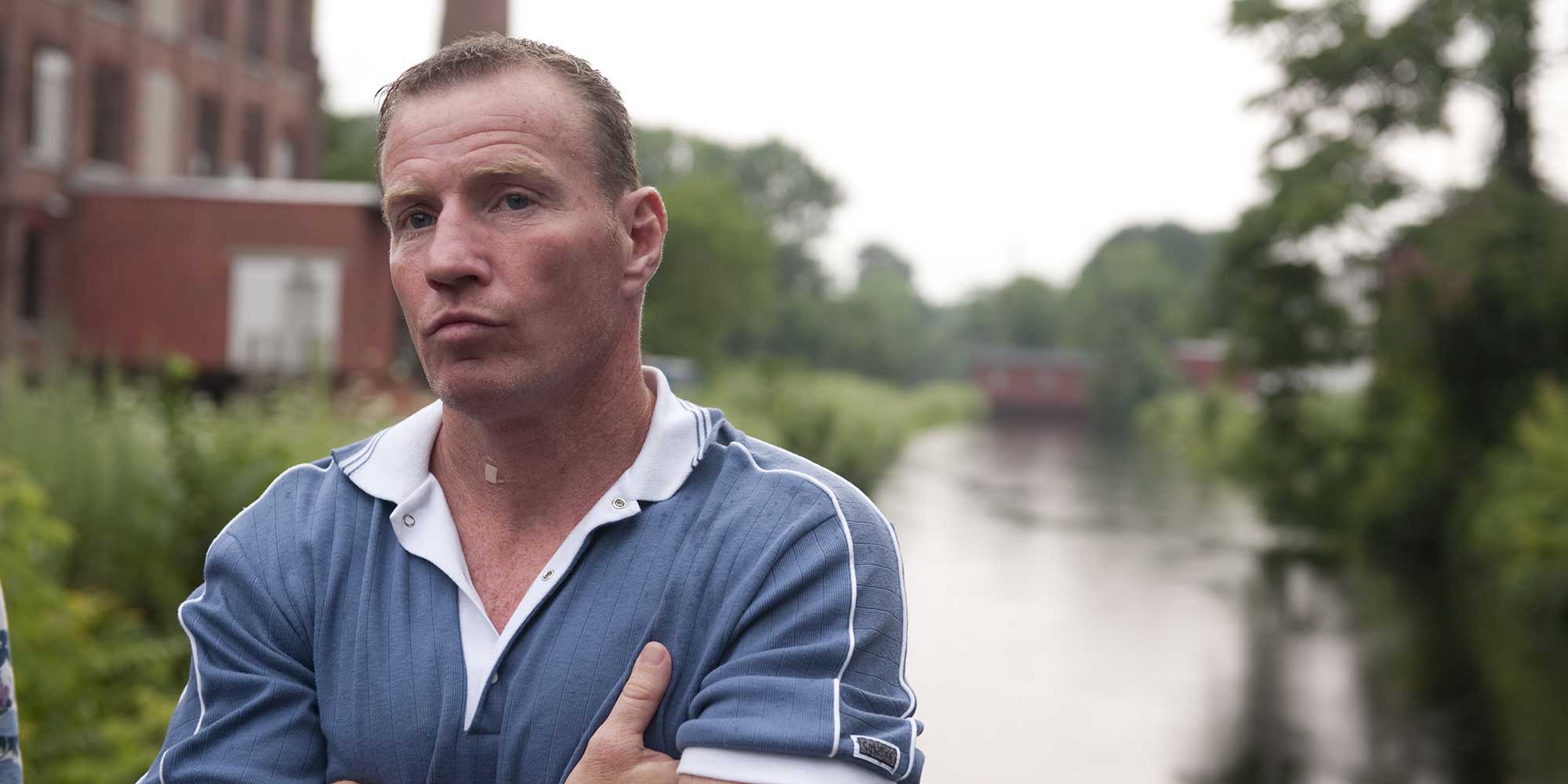
“Irish” Micky Ward born in Lowell
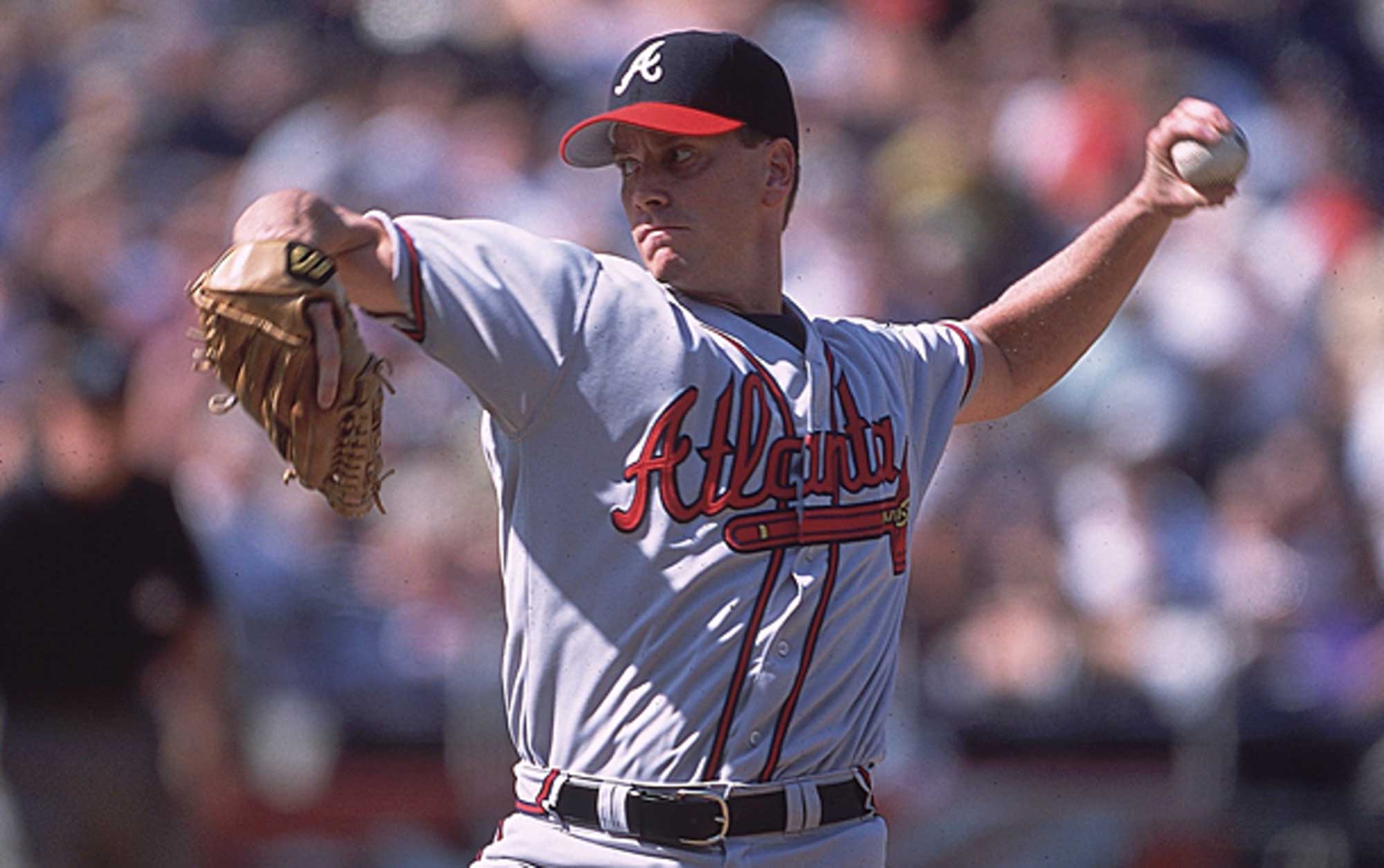
Tom Glavin is born in Concord
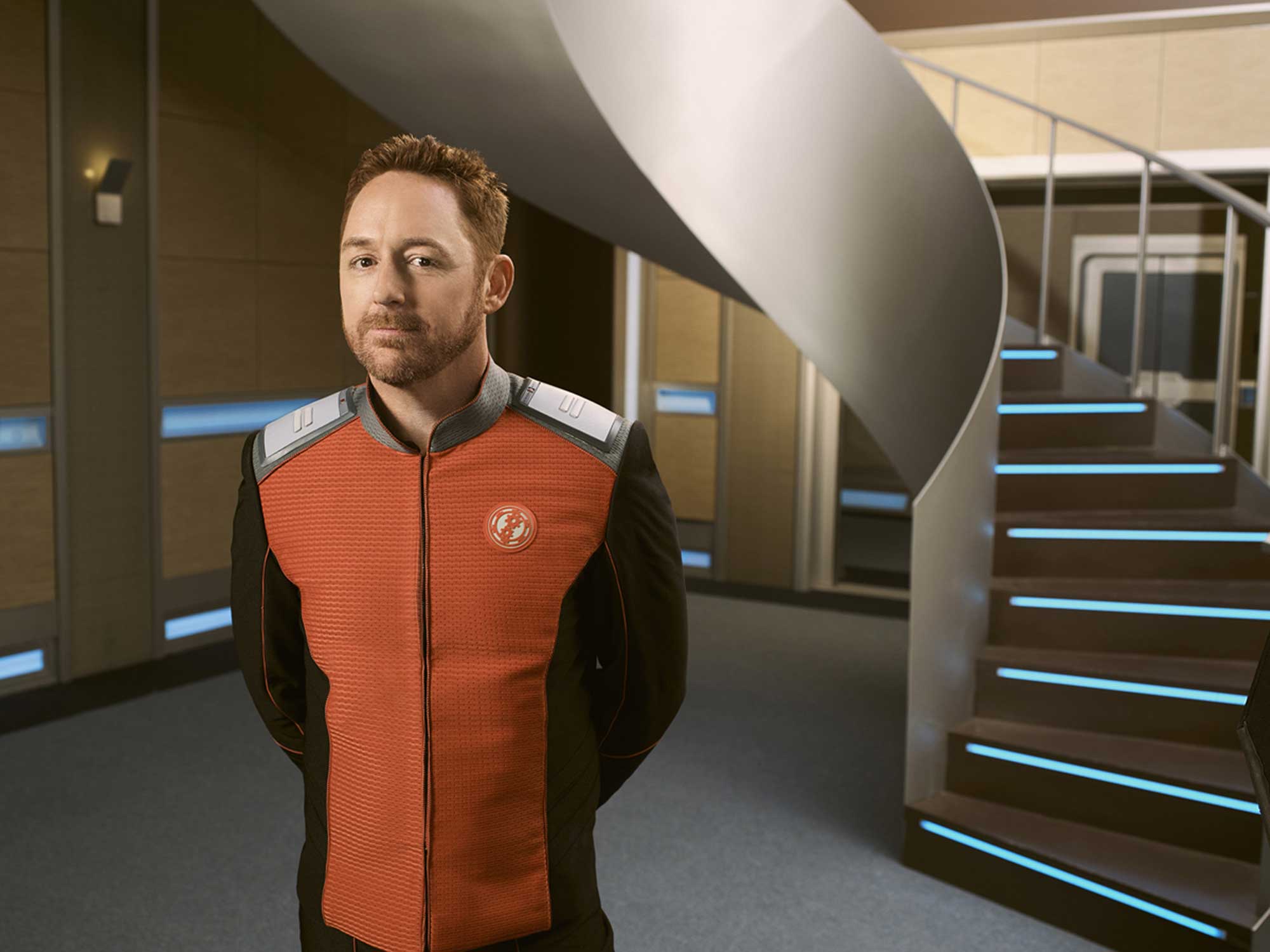
Scott Grimes born in Lowell
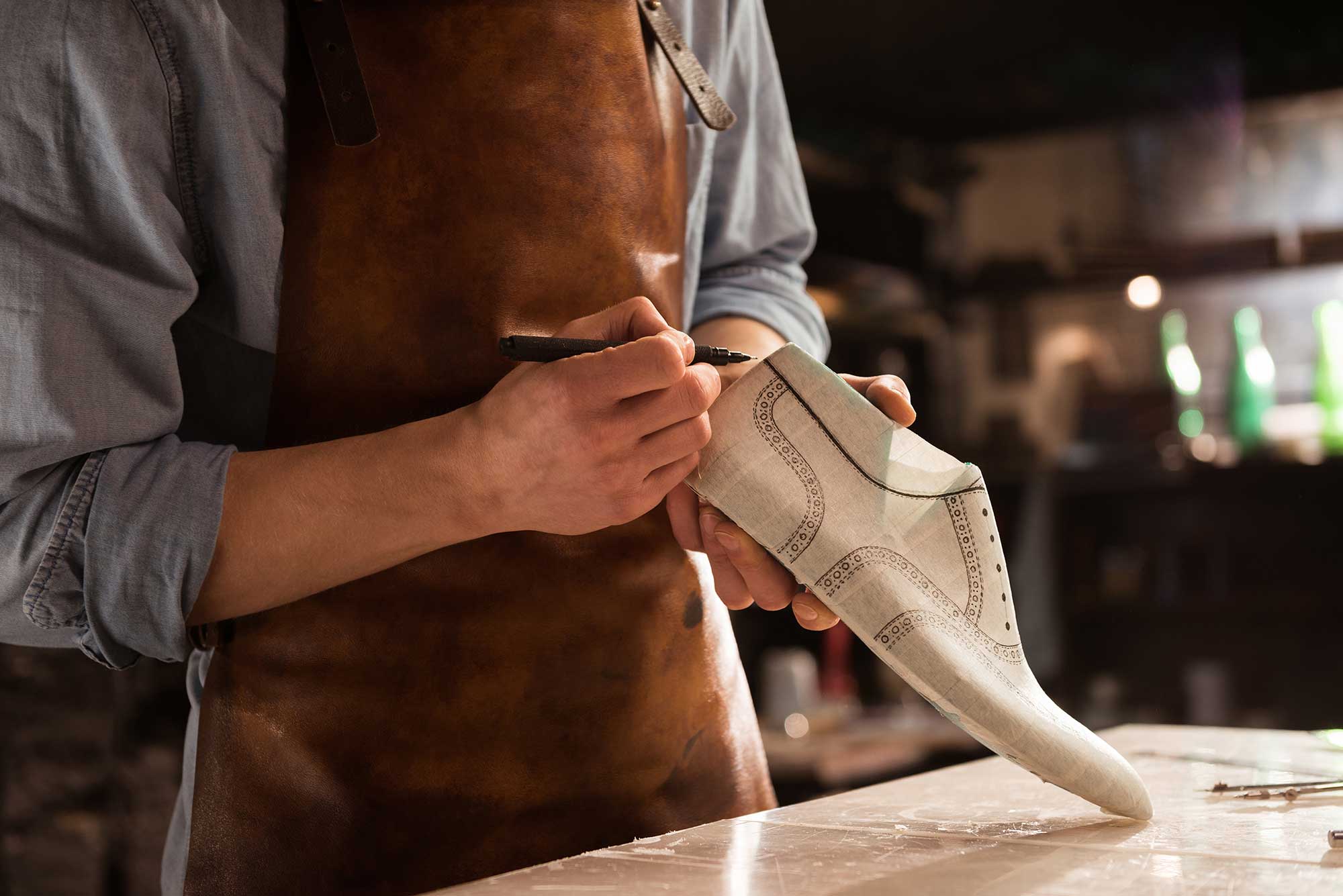
Grace Shoe Company opens in Lowell
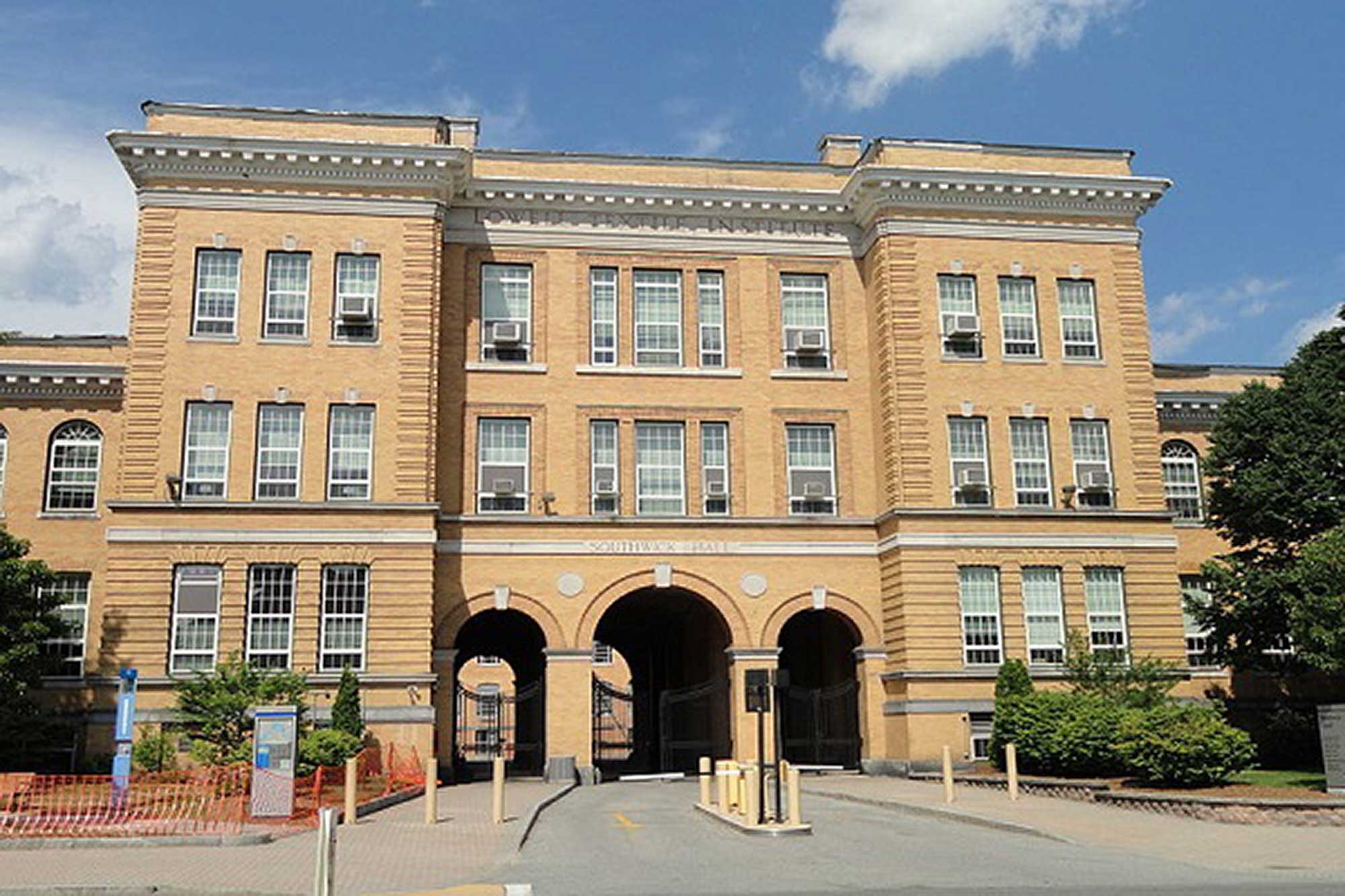
Lowell State and Lowell Tech merged in 1975 as the University of Lowell
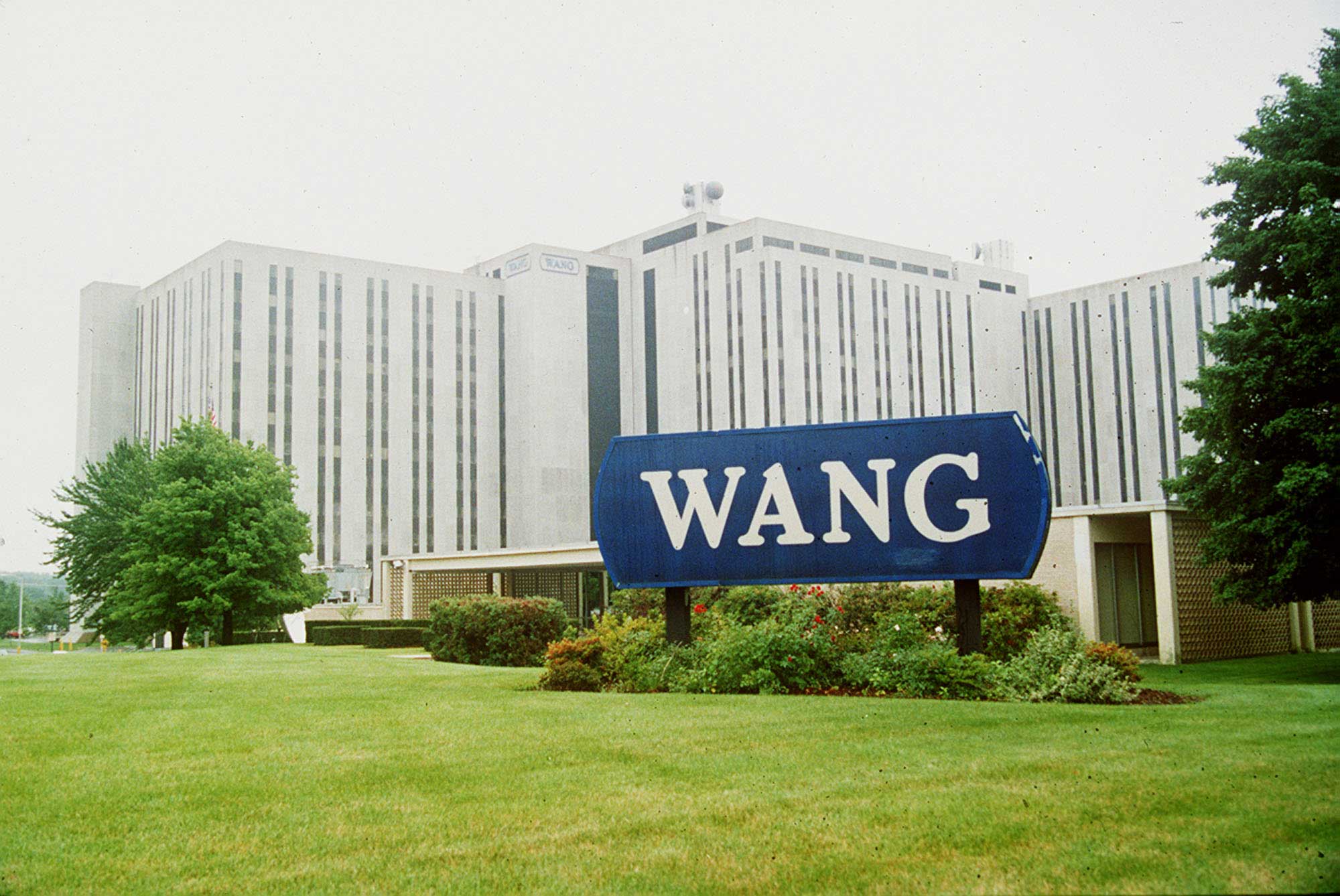
Wang Laboratories opens Lowell headquarters
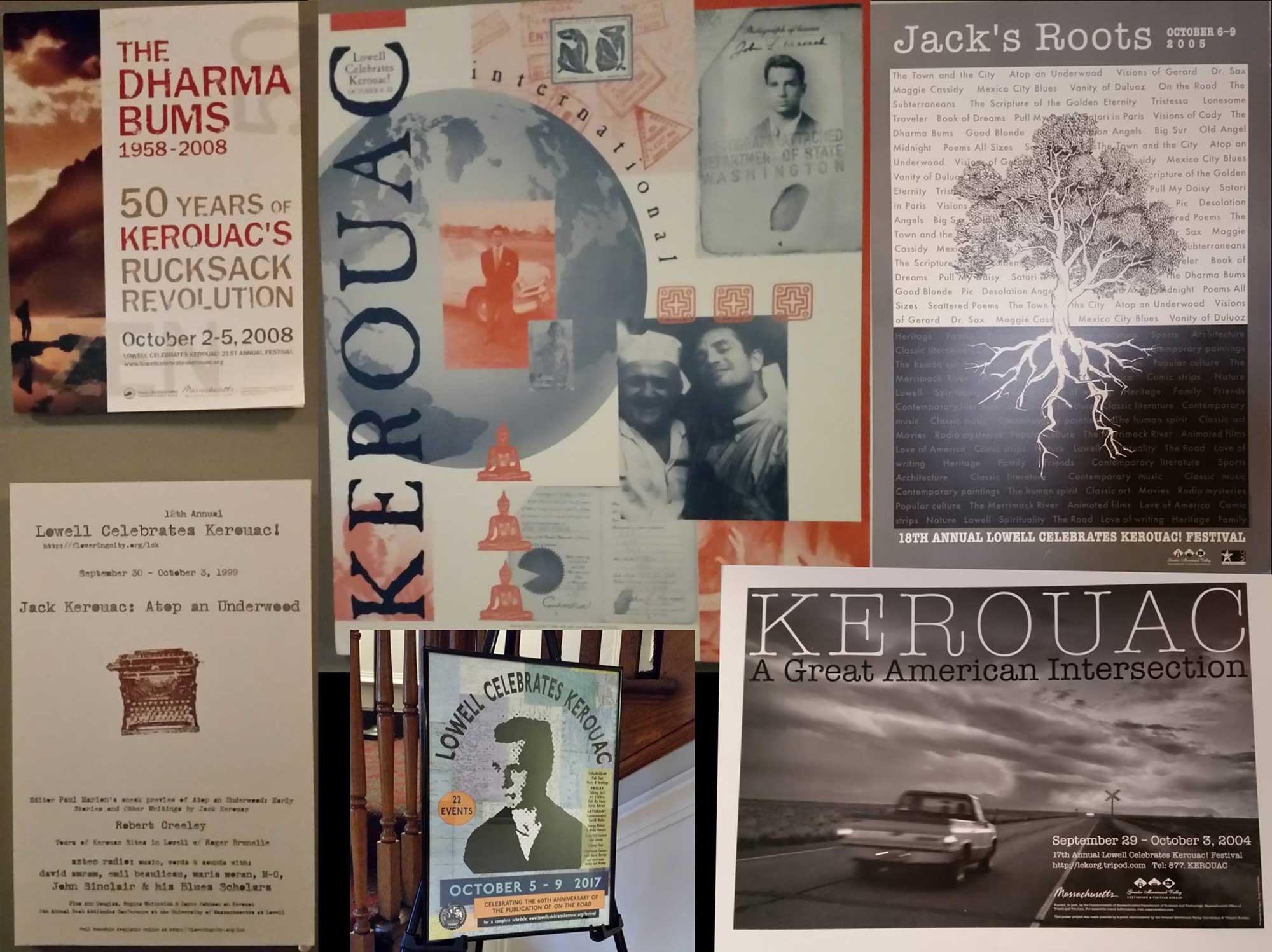
Lowell Celebrates Kerouac!
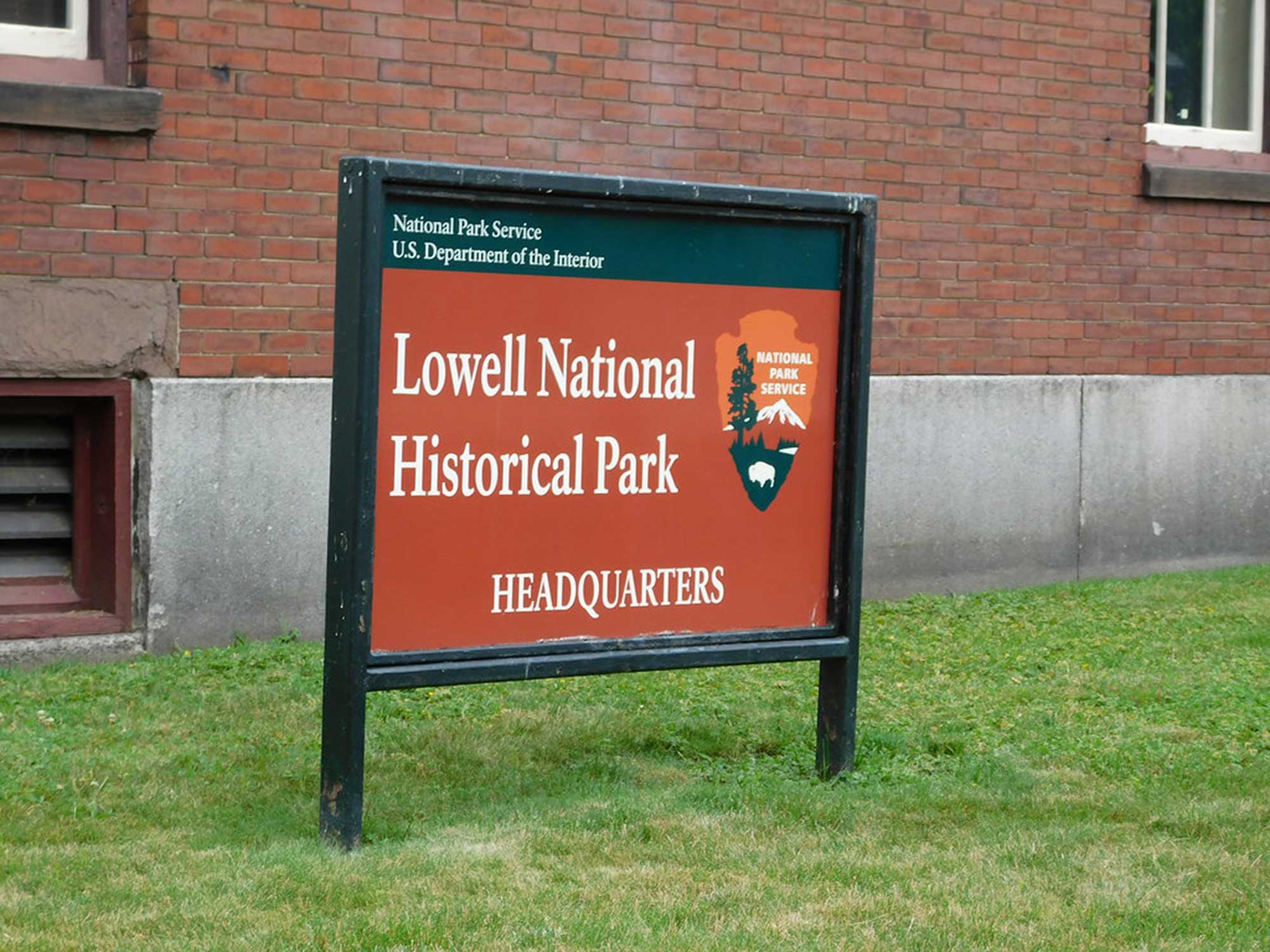
Lowell National Historical Park is established
Paul Tsongas, former Lowell City Councilor, is elected to the U. S. Senate
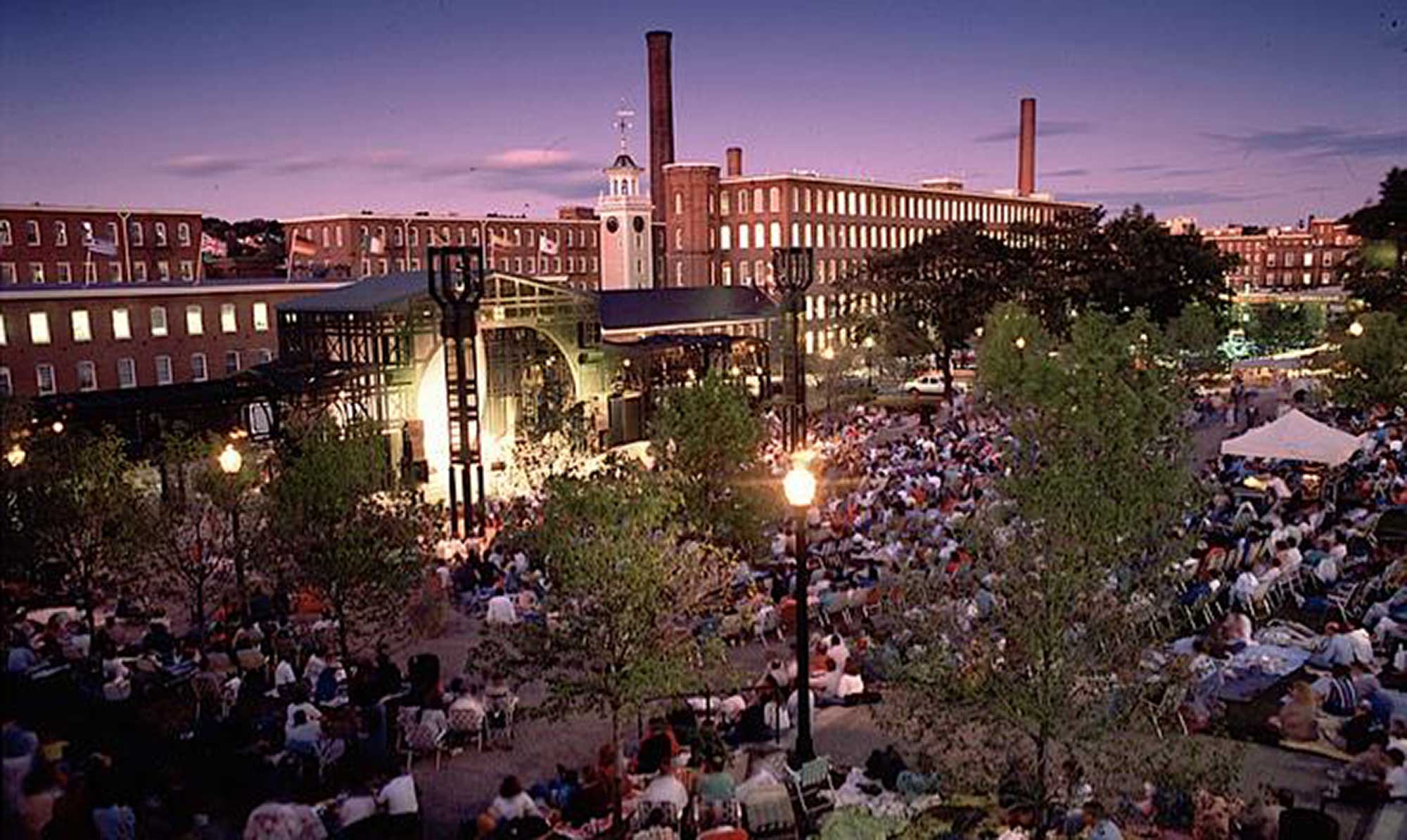
Lowell Folk Festival begins Middlesex Community College (MCC) establishes permanent Lowell campus
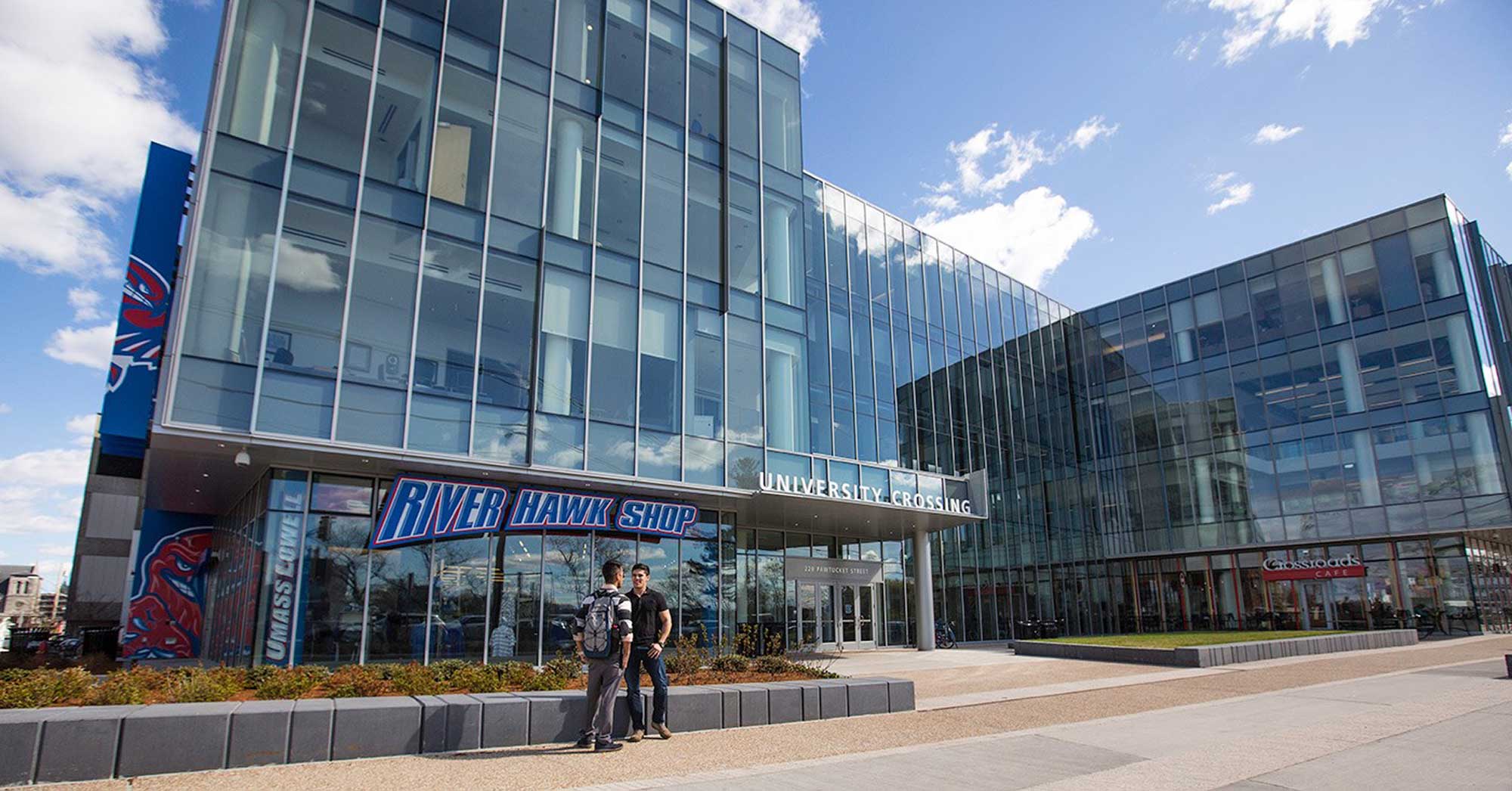
University of Lowell becomes University of Massachusetts Lowell
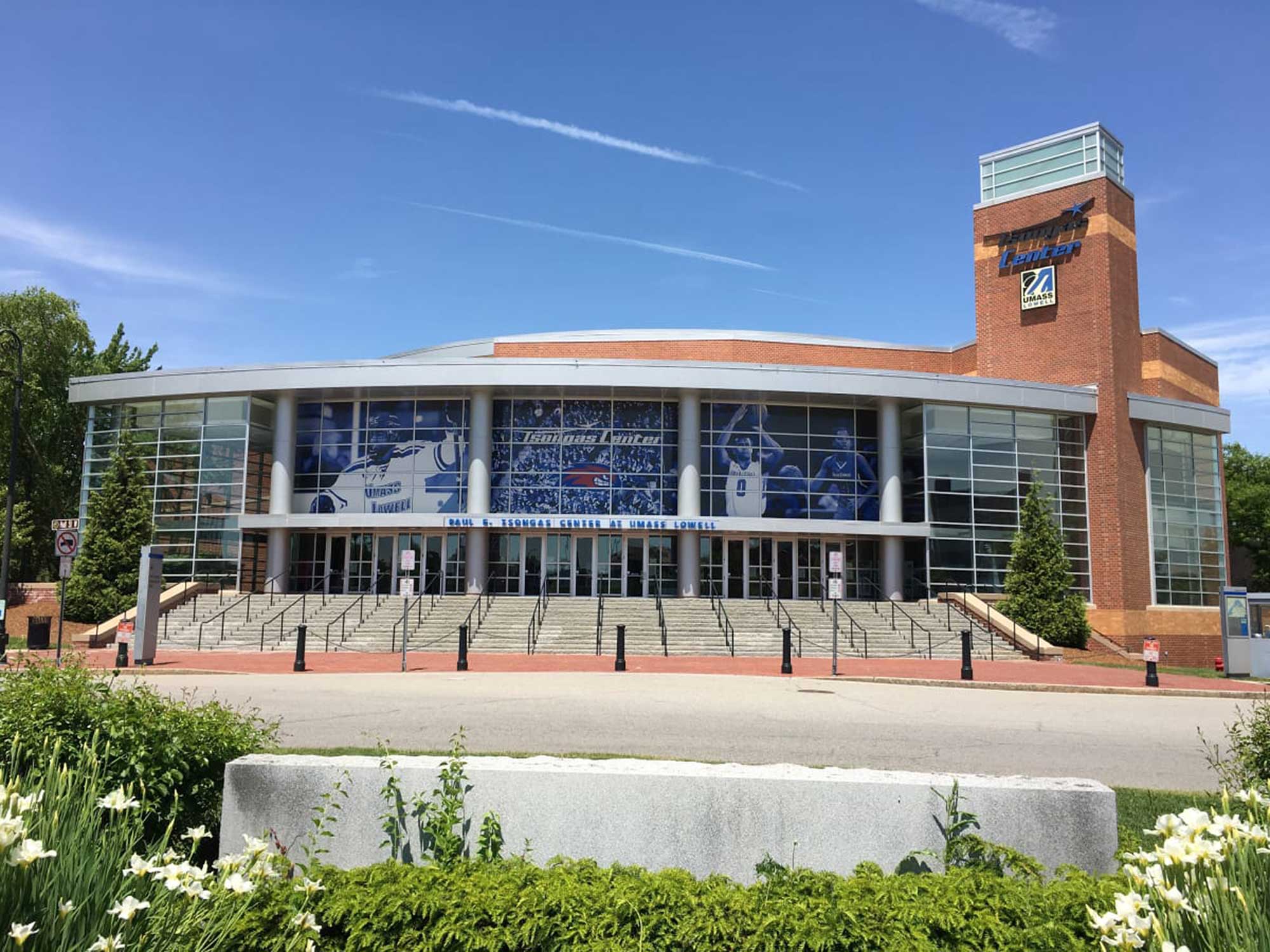
Tsongas Arena (now Tsongas Center at UMass Lowell) opens
LeLacheur Park opens

Former President George W. Bush visits Lowell
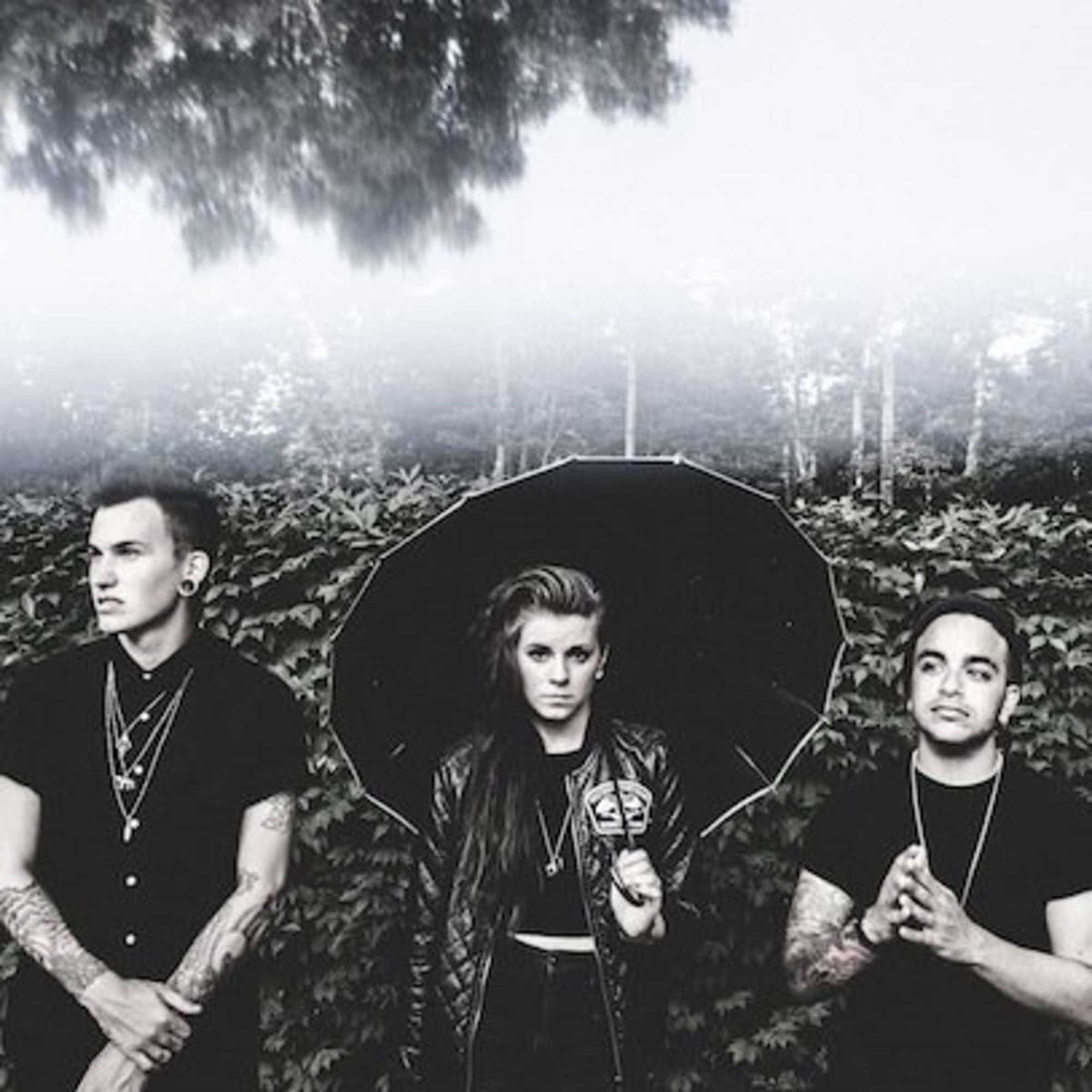
Rock band, PVRIS, founded in Lowell
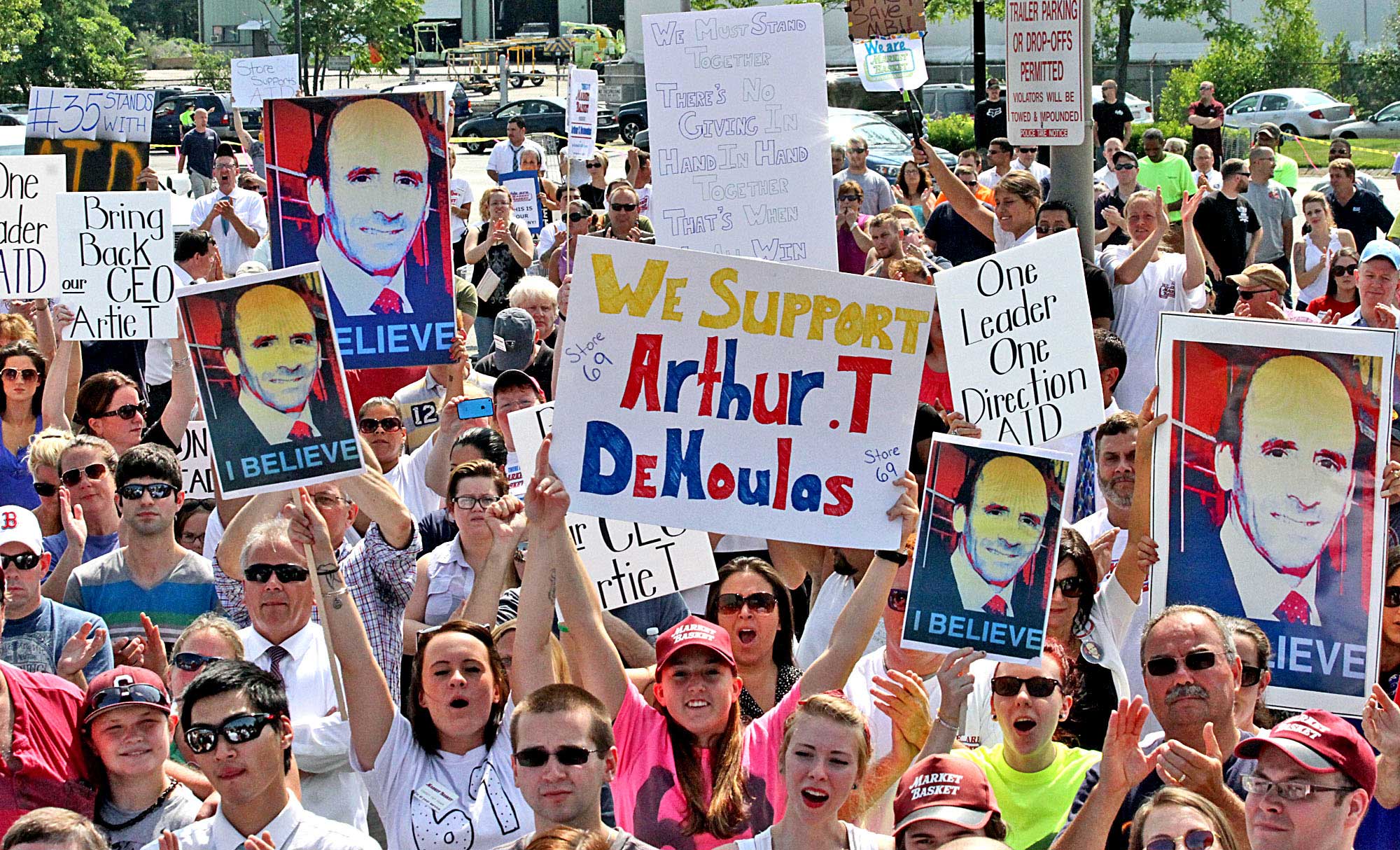
Market Basket
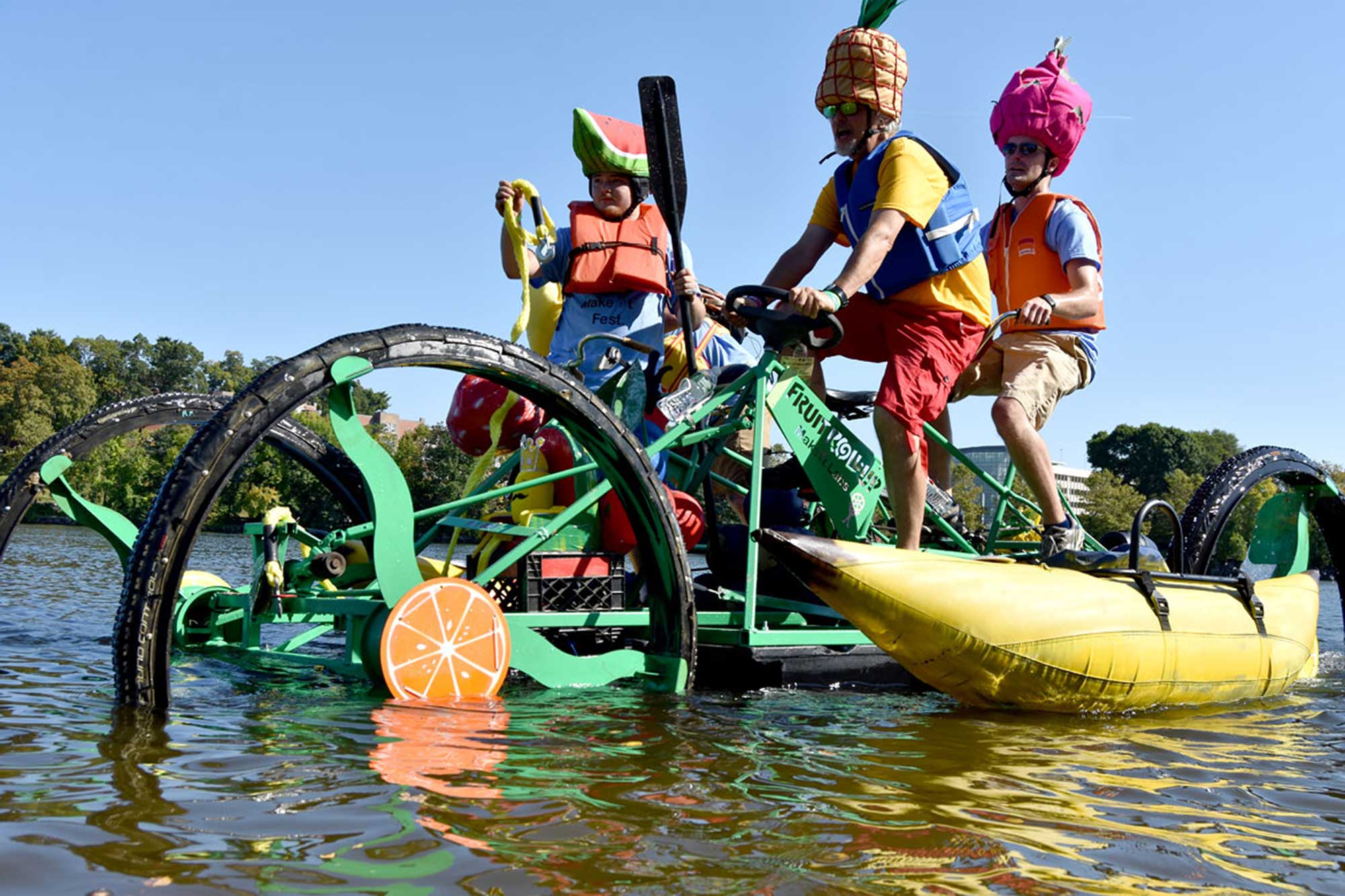
Lowell Kinetic Sculpture Race begins